Refuse Truck Fire Suppression for Waste Vehicle Protection
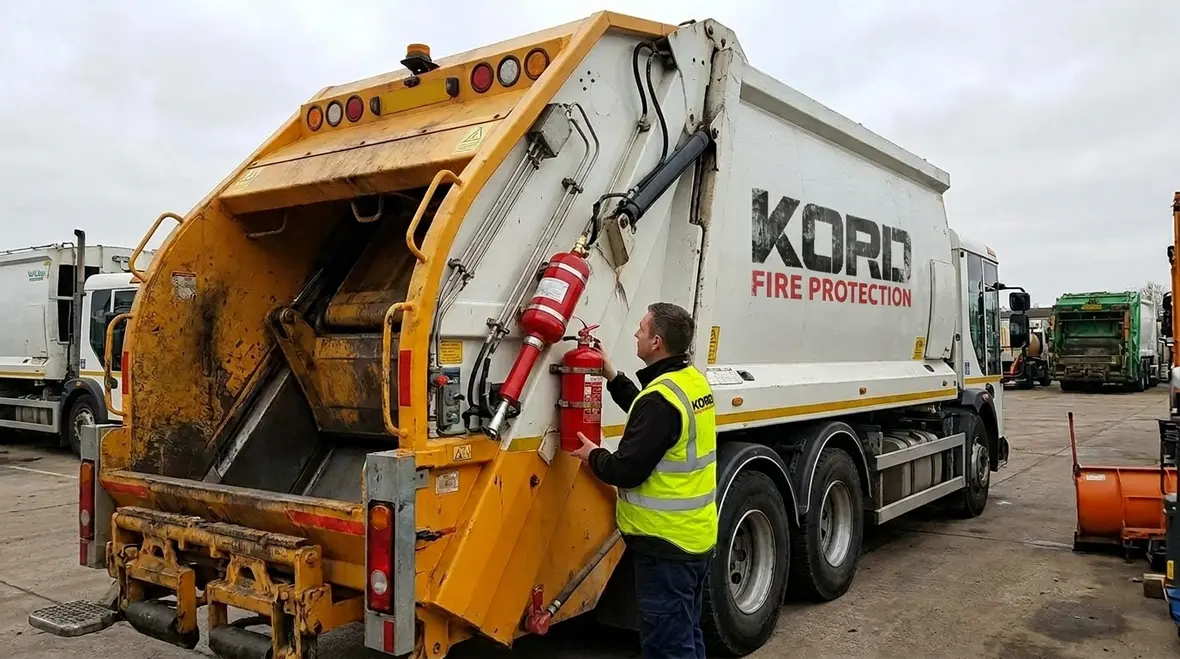
Fire is no respecter of schedules. It shows up when a crew is moving, when the engine compartment is hot, and when the waste load is changing every stop. That is why refuse truck fire suppression matters for companies that operate garbage trucks and other waste vehicles. It protects lives, reduces downtime, and helps prevent small incidents from turning into major losses. Yet the technology alone does not solve the whole problem. In fact, Kord Fire Protection can become a vital partner by helping fleets plan, install, inspect, and maintain systems that actually work in real conditions, not just on paper. And yes, fire crews sometimes joke that waste trucks are “portable chaos,” but chaos does not have to end with flames.
Why waste vehicle fires start in the first place
Waste fires rarely begin the way people imagine. They usually start small, then grow as heat, oxygen, and ignition sources line up. Refuse truck fire suppression cannot prevent every ignition event, but it can interrupt the fire fast enough to limit spread and protect key components.
Common ignition paths include electrical faults, hot brake parts, friction, damaged wiring, and overheating batteries on newer hybrid or electric units. Additionally, crews may carry items that do not look dangerous at first. For example, improperly disposed lithium batteries, flammable liquids, aerosols, or oily rags can create a chain reaction once they get inside a compacting body. Meanwhile, compaction creates friction and can trap heat where it builds up. Therefore, prevention starts with smarter loading practices and solid maintenance, but suppression systems still play a crucial role once something goes wrong.
Why timing matters more than drama
The real problem with waste vehicle fires is not only the flame itself. It is the speed at which a small ignition can move into wiring, hydraulic components, insulation, and the load body. Once that handoff happens, damage costs rise fast and route interruptions follow right behind. That is why operators who treat early detection like a nice extra usually learn the expensive version of the lesson. Fire does not wait for the schedule board, and it definitely does not care about pickup deadlines.
For fleets, that means risk control has to happen in layers. Daily walkarounds, route awareness, body cleaning, and mechanical inspections all help. Still, a properly supported suppression setup adds the one thing crews cannot improvise in the moment: immediate action at the hazard zone. That is one reason Kord Fire emphasizes tailored vehicle fire suppression systems for industries such as waste handling and other heavy-duty operations.
How refuse truck fire suppression systems work
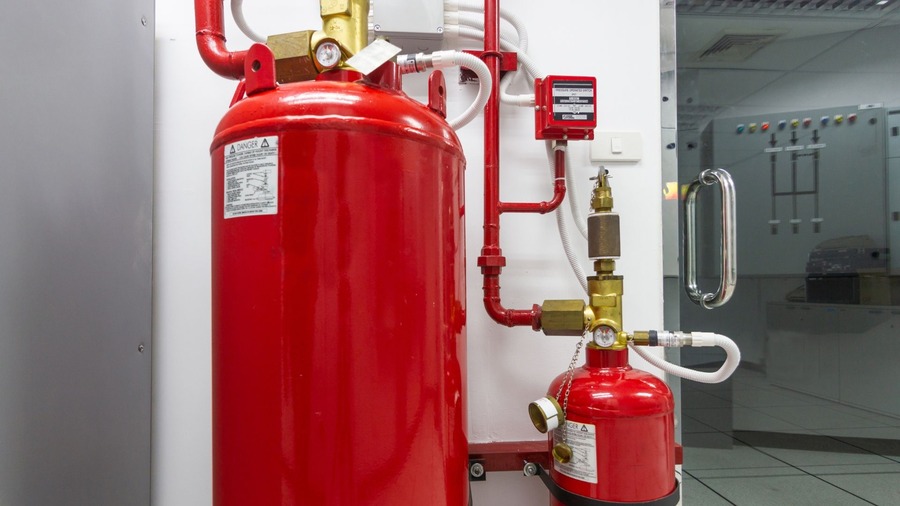
Most fire suppression designs focus on fast detection and quick discharge to knock down flames before they gain strength. In practice, systems use sensors that monitor conditions around the hazard area. When the system detects a fire condition, it activates a release that delivers an extinguishing agent directly where the fire starts or where it can spread.
However, “directly” is the key word. Waste vehicles have awkward spaces, vibration, and shifting loads. So the design must match the vehicle body, the compactor layout, and the specific risk points. If a system discharges in the wrong spot, it can waste agent and allow flames to regroup. Consequently, the best systems balance coverage and speed, with controls that fit the truck’s operating environment.
And for those who want the pop culture comparison, it is like a superhero landing right when the villain thinks they are safe. Not later. Not after the building catches. Right then.
The basics behind a dependable layout
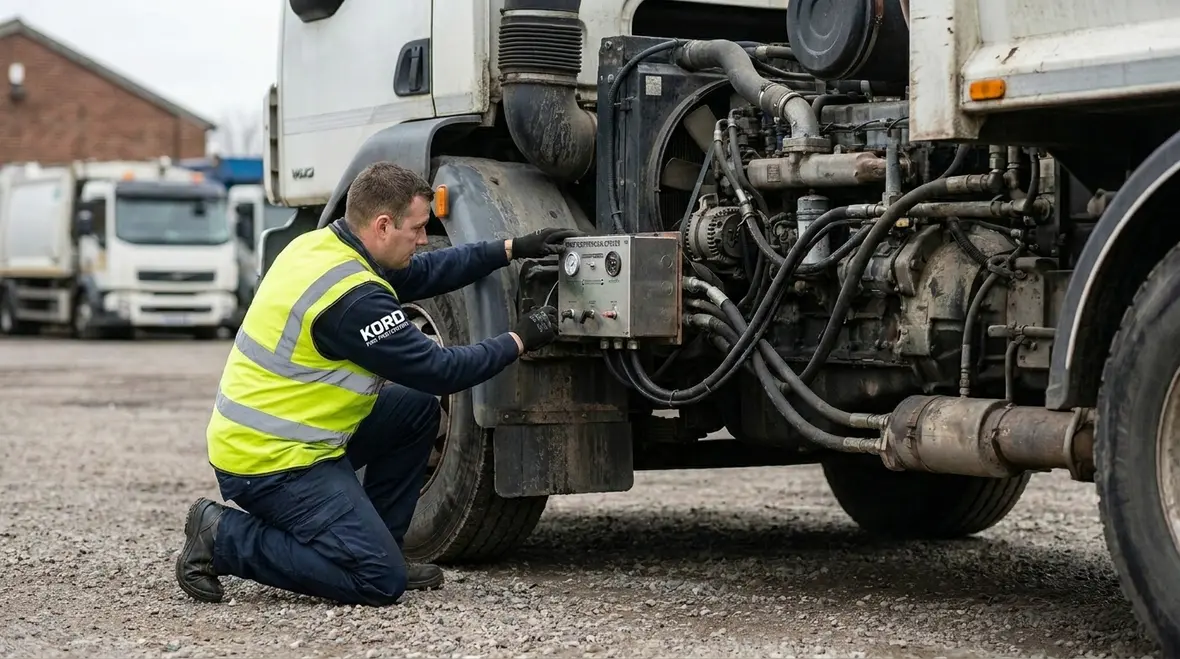
A dependable system usually includes detection devices, releasing controls, agent storage, distribution lines, and nozzles placed for actual hazard coverage. Kord Fire describes these system components as part of the primary defense against vehicle fires, especially on industrial equipment that runs for long hours and faces repeated heat cycles. That matters in refuse work where every shift brings vibration, repeated stops, and operating conditions that are rough on hardware and wiring.
It also explains why customization is not marketing fluff. A generic layout may look fine in a brochure and still miss the actual danger zone on a working garbage truck. The system has to account for equipment geometry, service access, and the way debris, heat, and fluid movement behave during real operation. That kind of fit is what turns a suppression system from a checkbox into a practical line of defense.
Where fire risk hides on refuse trucks
Fire risk concentrates in predictable areas, and fleets benefit when they map those hotspots before an incident happens. Even if a vehicle looks clean from the outside, heat can build in internal compartments.
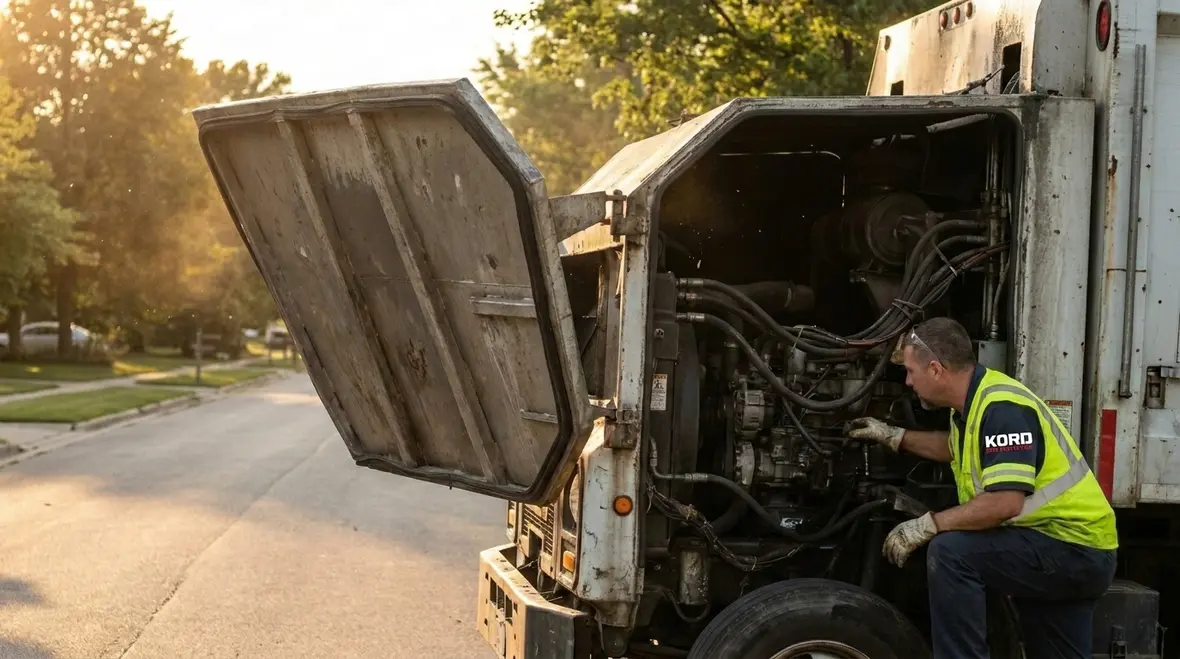
- Engine and electrical compartments where wiring wear and heat cycles can create faults
- Hydraulic systems where leaks and hot surfaces can provide an ignition source
- Brake and wheel areas that run hot and face debris buildup
- Compactor and body zones where trapped heat and reactive waste can accumulate
- Battery systems on modern units where thermal events can develop quickly
Furthermore, crews often discover that the risk pattern shifts by route and season. Hot months increase evaporating vapors and load reactivity. Winter conditions can change how crews handle salt, debris, and vehicle strain. Therefore, risk mapping should not be a one time activity. Instead, companies should review it as they change equipment, waste streams, and driving routes.
Hotspots deserve route-specific thinking
No two waste routes are exactly alike. Commercial loads, residential pickups, construction debris, and mixed recycling each create different exposure patterns. A fleet that runs dense city routes with constant stop-and-go wear may not face the same threats as one handling long transfer runs or heavy debris. Because of that, hazard mapping should be updated with route realities, not copied from an old checklist that has been riding in the binder since forever.
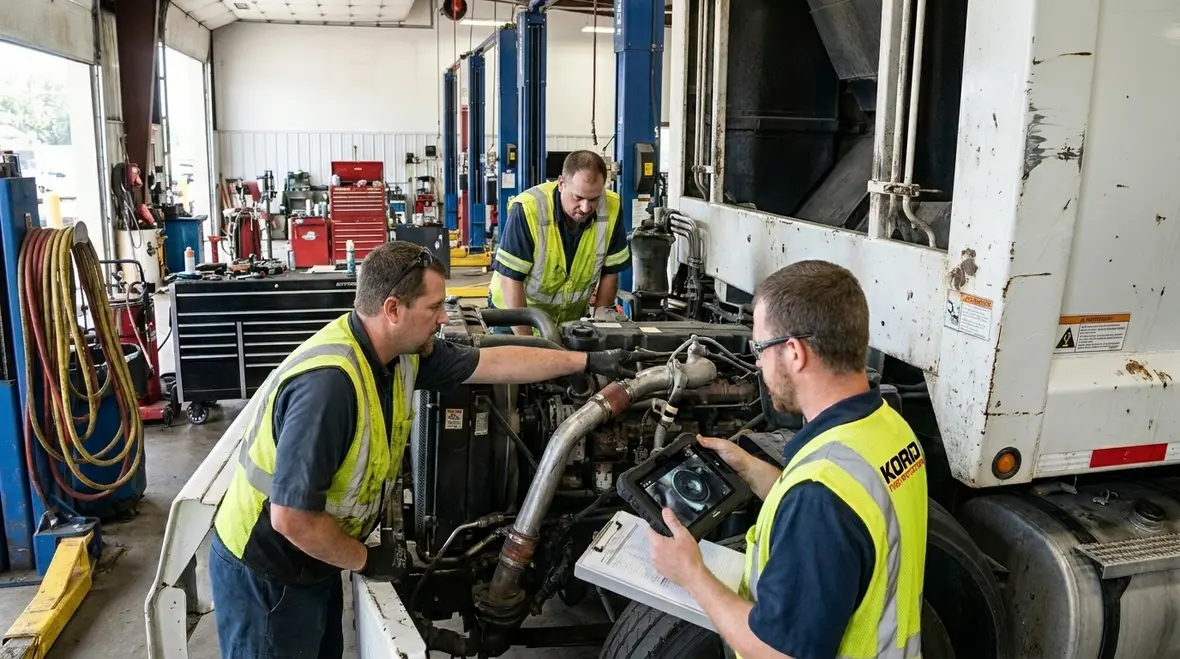
Fleet readiness and response planning that actually reduce damage
Even with a well designed system, response planning determines how much damage gets prevented. When a truck carries passengers or works near public areas, the crew needs clear steps for securing the vehicle, isolating hazards, and contacting emergency services.
To improve outcomes, fleets should train drivers and maintenance teams on practical actions. That includes knowing how to recognize warning signs, understanding what happens immediately after discharge, and documenting each event for system and body inspection. Additionally, crews should plan safe access for responders, because waste vehicles can block entry points when they stop mid route. As a result, the best performance comes from a combination of equipment readiness and crew discipline.
And yes, it also helps to make training memorable. A short scenario based drill can do that. The crew can act out “the fire started where the compactor meets the unexpected,” and suddenly everybody remembers the steps, like a sitcom lesson that sticks after the credits.
What crews need to remember under pressure
Training should be specific enough that drivers know what the system is doing and what they must do next. That means identifying alarm indications, stopping in the safest available location, communicating with dispatch, keeping bystanders clear, and reporting conditions accurately after the event. When those actions are rehearsed, crews lose less time guessing and spend more time protecting themselves and the public.
Kord Fire Protection as a vital partner for waste vehicle coverage
Technology keeps a fire from growing, but real service keeps the protection working over time. That is where Kord Fire Protection becomes a vital partner with refuse truck operations. They help fleets move from “we have a system” to “we can trust the system.”
First, installation support matters. Waste vehicle bodies vary, and placement details influence discharge effectiveness. Next, inspections and maintenance protect performance. Components can face vibration, temperature swings, and corrosion. Consequently, a fleet needs a routine plan for testing, checking agents, reviewing detection components, and verifying that controls operate as designed.
Then comes documentation and compliance support. Companies need records for audits, insurance reviews, and internal safety programs. Kord Fire Protection can help teams organize those details so the fleet does not scramble when questions appear.
Finally, Kord’s role often extends to helping clients understand what failures look like. When a system discharges, it is not just an expense; it is also a clue. Therefore, proper post event inspection can reveal the underlying cause and reduce the chance of repeats.
Why maintenance support is not optional
Kord Fire’s fire suppression services include installation and maintenance support across suppression system types, with semi-annual inspection expectations highlighted as part of ongoing system care. For fleets, that support matters because refuse vehicles are not gentle on equipment. Components can shift, hoses can age, nozzles can clog, and even a small issue can weaken discharge performance when the system is finally called into action.
This is also where interlinked planning helps. Teams that already review related guidance like Kord Fire’s vehicle fire suppression systems maintenance guide are usually better prepared to build inspection routines that stay practical instead of becoming shelf decoration.
Maintenance schedules that protect uptime and keep costs predictable
Fleets want fewer surprises. Maintenance schedules create that stability. A smart approach includes regular checks of cylinders or agents, condition verification on lines and nozzles, inspection of control units, and testing that matches the system type. It also includes a plan for how maintenance teams handle work orders after an event.
Moreover, scheduling aligns with operations. When a truck comes out of service at random, costs spike and routes slip. Instead, fleets should coordinate inspections with planned service intervals and build buffer time around peak seasons. That way, they protect uptime while keeping the refuse truck fire suppression system ready.
To keep the process clear, some companies use a dual column checklist for internal tracking and vendor follow up, like this:
With that kind of routine, the fleet builds confidence and reduces emergency callouts. And in waste operations, confidence is a real asset, not a motivational poster.
What a predictable schedule really buys you
A predictable maintenance plan buys more than compliance paperwork. It gives managers fewer emergency disruptions, mechanics clearer priorities, and drivers more confidence that the truck they take out will not surprise them with a preventable failure. It also supports better budgeting, because service work is easier to control when it is planned rather than triggered by a breakdown in the middle of a route.
FAQ
Conclusion: protect the route, not just the truck
Fire risks in waste operations move fast, and damage can follow just as quickly. With refuse truck fire suppression, fleets gain a real layer of protection that supports crews during the moments that matter. Still, systems work best when service, inspections, and documentation stay consistent. That is why Kord Fire Protection can be a vital partner for installation support and ongoing maintenance.
If your fleet wants fewer incidents and less downtime, now is the right time to build a protection plan designed for your vehicles, routes, and waste conditions. Connect with Kord Fire for fire suppression services and explore the support available through full fire protection services to keep systems ready long after installation day.

Join Our Newsletter!
Get the latest fire safety tips delivered straight to your inbox From our Newsletter.