NFPA 10 Annexes Guide: Explanatory Material, Selection Tips, and Maintenance Procedures
Quick Answer: NFPA 10 annexes explained in plain terms help teams understand why the standard works, not just what it says. They guide extinguisher selection, placement, and upkeep, while supporting safer decisions across industrial, retail, commercial, and facility sites in Australia. That makes compliance clearer and less of a guessing game.
When people ask for NFPA 10 annexes explained, they usually want the practical side of fire extinguisher management, not a legal maze dressed in safety gear. The annexes in NFPA 10 provide helpful guidance, examples, and clear reasoning behind the standard. They do not replace the main rules, but they do make them easier to apply. For industrial plants, retail sites, commercial buildings, and large facilities across Australia, that guidance can save time, reduce mistakes, and improve fire readiness. And yes, it also keeps the paperwork from turning into a villain worthy of a bad office comedy.
For teams that want support beyond theory, Kord Fire Protection also provides full fire protection services that can help connect extinguisher planning with inspections, maintenance, and broader site readiness. That is useful when a building needs more than a checklist and a hopeful glance at the nearest wall bracket.
What the annexes do for fire safety teams
The annexes in NFPA 10 give explanatory material that supports better decisions. They help safety managers understand extinguisher types, fire class matching, travel distance, and placement logic. In other words, they answer the “why” behind the standard.
For busy sites, this matters. A warehouse does not face the same risks as a shopping centre, and a plant room does not behave like a loading dock. Therefore, the annex material helps teams compare hazards against the right extinguisher response. It also helps managers explain choices to staff, contractors, and auditors without sounding like they need a law degree and a flashlight.
Why explanatory material matters in the real world
Standards are excellent at telling people what needs to happen. The challenge is that real buildings rarely behave like perfect textbook examples. One area stores cardboard, another has powered equipment, another has liquids, and somewhere in the background there is always a cupboard no one has opened since management changed three times. The annexes help bridge that gap between rule and reality. They offer context that helps teams think through conditions on the ground instead of applying the same extinguisher plan everywhere and calling it strategy.
How to use NFPA 10 annexes explained in real site planning
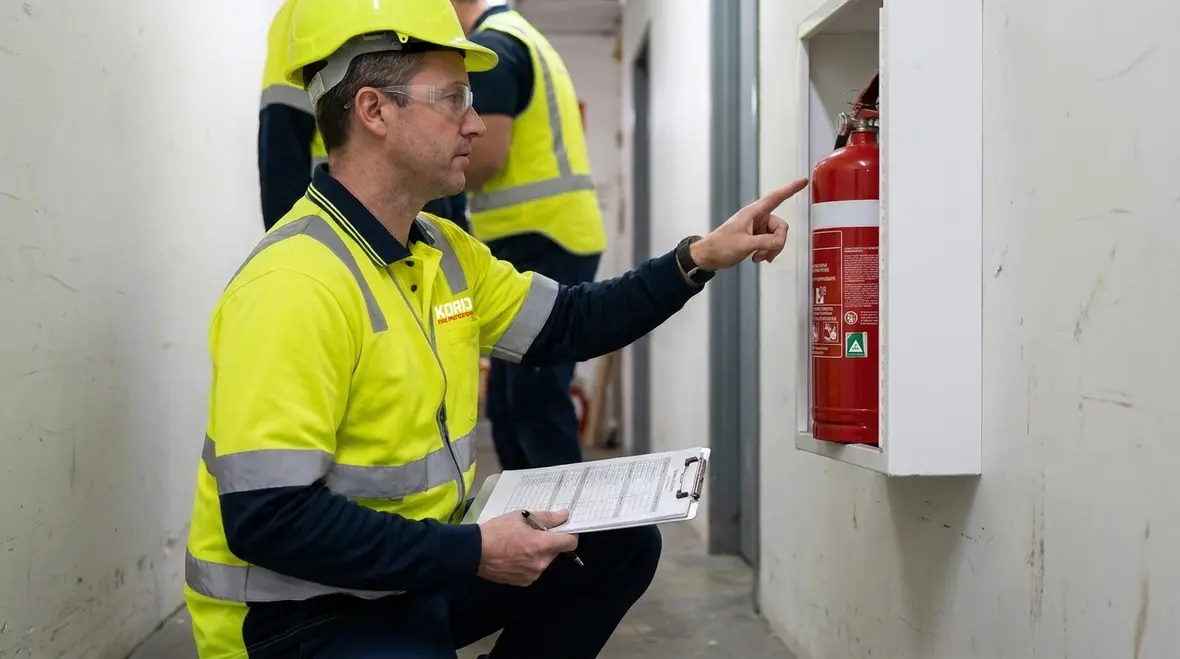
The best way to use NFPA 10 annexes explained in site planning is to treat them as a field guide. They help teams check hazard levels, choose extinguisher ratings, and place units where people can reach them fast.
For example, a site with flammable liquids needs a different approach from a site with mostly electrical gear. Likewise, a retail floor with open public access needs simple placement and clear signage. The annexes support this kind of thinking by linking risks to use cases. As a result, managers can build a more sensible fire protection layout instead of relying on guesswork or old habits that may have survived since the era of shoulder pads and fax machines.
This is also a smart place to tie planning back to documented guidance and broader extinguisher programs. If your team is reviewing selection decisions, it makes sense to reference Kord Fire Protection’s NFPA 10 portable fire extinguishers guidelines as a related resource for practical compliance direction. Internal links like that do more than help SEO. They help actual humans find the next useful answer before the next audit lands in everyone’s inbox.
Planning questions worth asking early
- What fire classes are most likely in each zone?
- How quickly can someone reach the nearest extinguisher?
- Will staff instantly recognize the right unit for the hazard?
- Could shelving, stock, furniture, or equipment block access?
- Has the area changed since the last review?
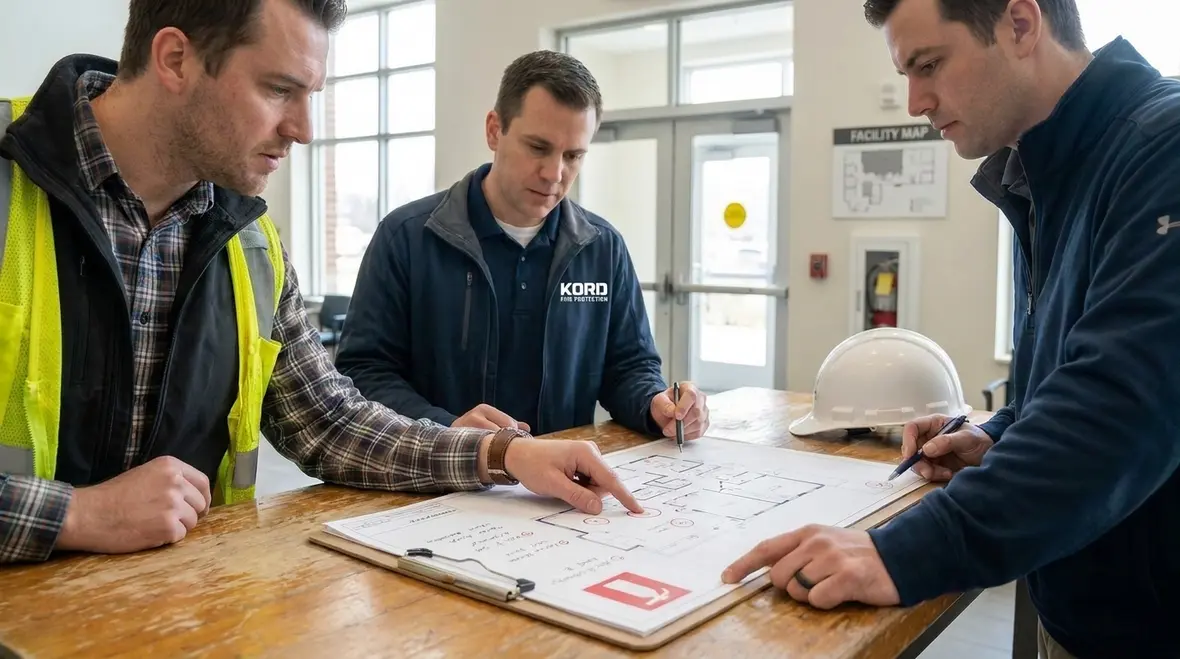
Selection tips for industrial and commercial sites
Extinguisher selection should start with the hazard, not the shelf. The annexes help teams identify what kind of fire may start, where it may spread, and what extinguisher can control it early.
- Match the extinguisher to the main hazard class on site
- Check the size of the area and the travel distance to the unit
- Use clear labels so staff can act with confidence
- Place units where they stay visible and easy to reach
- Review high risk zones more often than low risk areas
Dual Column Guide
| Site need | Selection focus |
| Warehouse floor | Fast access, larger coverage, clear aisle placement |
| Retail area | Public visibility, simple use, low obstruction |
| Plant room | Electrical and equipment risk, close mounting points |
| Commercial office | Balanced coverage, staff training, easy inspection access |
This kind of selection process keeps the system practical. It also helps reduce overbuying, which sounds minor until a site ends up with five wrong extinguishers and one proud manager asking where the budget went.
It is also worth remembering that selection is not only about buying the right canister. It is about making sure the right person can use the right unit at the right moment under pressure. If the extinguisher is technically correct but hidden behind stock, mounted in an awkward spot, or mislabeled, the site has won the paperwork battle and lost the practical one. The annexes encourage the kind of common-sense thinking that keeps equipment useful instead of decorative.
Maintenance procedures that keep units ready
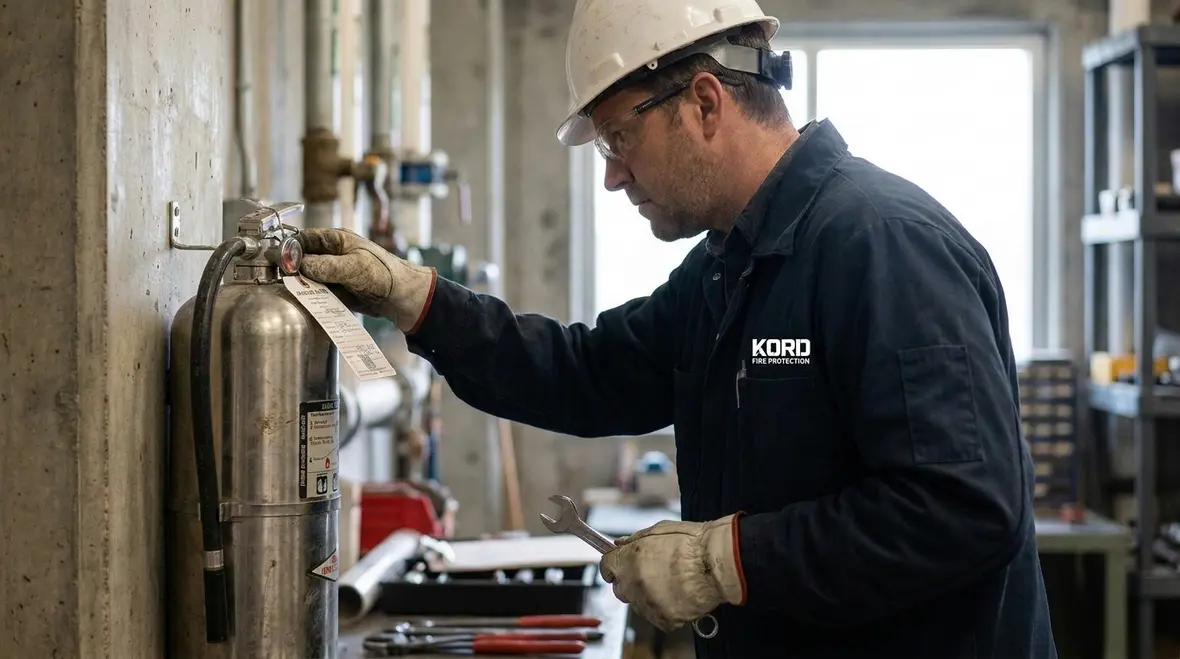
Maintenance is where fire safety either shines or slowly turns into a dusty piece of wall art. The annexes give useful support for inspection routines, service checks, and replacement planning. They help teams build a schedule that fits site conditions and risk level.
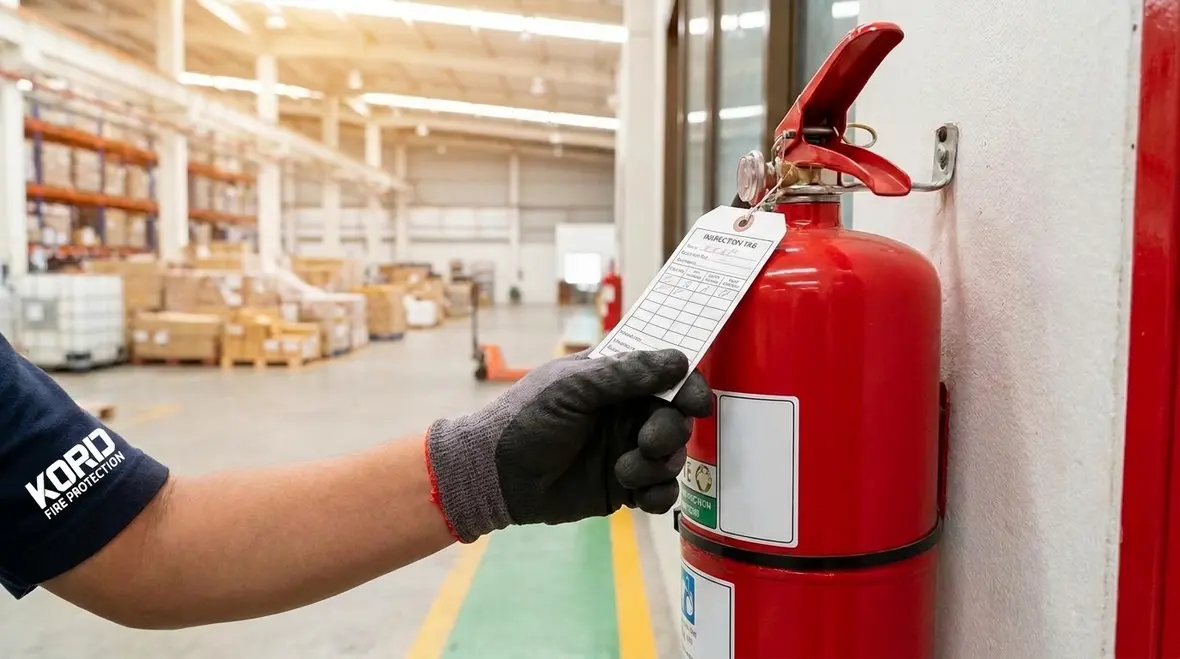
A strong maintenance plan should include visual checks, pressure checks, physical condition review, and service tagging. Teams should look for blocked access, damaged labels, corrosion, missing pins, and expired units. In addition, staff should confirm that the extinguisher type still matches the area. A factory floor can change, and so can the fire risk. Therefore, maintenance should follow the site, not just the calendar.
For larger Australian facilities, a documented routine matters even more. It supports compliance, helps during audits, and reduces the chance of a unit failing when it is needed most. That is the difference between a safe response and a very bad day with a smoke alarm soundtrack.
A simple maintenance rhythm that works
A practical schedule often works best when responsibilities are clear. Monthly visual checks can catch obvious issues like blocked access or tampering. Periodic service appointments can confirm condition, pressure, and tagging. Annual reviews can also test whether extinguisher locations still match how the site is actually being used. That layered approach gives facilities a much better chance of catching problems before they become the sort of surprise no one enjoys.
Why Kord Fire Protection can be a vital partner
Kord Fire Protection can play a vital role in turning NFPA guidance into real site protection. The team can help assess risks, recommend the right extinguishers, support inspection routines, and manage maintenance with consistency. That matters because fire protection should not depend on guesswork or last minute fixes.
For industrial, retail, and commercial sites across Australia, Kord Fire Protection can help align equipment with site hazards and practical use. More importantly, it can help keep teams ready for audits, internal checks, and day to day safety demands. In short, Kord Fire Protection can act like the calm voice in the control room when everyone else is reaching for the nearest caffeine source.
That kind of partnership is especially useful when extinguisher service is part of a wider life safety picture. A site may need extinguisher upkeep today, sprinkler work next quarter, and broader system coordination before an inspection cycle. Working with one provider that understands how those pieces connect can make operations smoother and reduce the classic scramble that starts with, “Didn’t someone already handle this?”
How to build a simple compliance routine
A simple routine works best when it stays clear and repeatable. First, review site hazards. Next, confirm the extinguisher type and location. Then, inspect the condition and service status. Finally, train staff so they know how to respond without panic.
This process also supports better communication across facilities teams, managers, and contractors. As a result, the site avoids confusion and keeps maintenance on track. The annexes help guide that routine, but the real value comes from steady action.
Keep the routine simple enough to survive busy weeks
The best compliance routine is the one people will actually follow when operations get hectic. Keep records easy to update. Keep inspection points consistent. Keep ownership clear. If the process is too complicated, it tends to collapse the moment the site gets busy, and then everyone is back to pretending a faded tag is a management system. A simple, repeatable process backed by the annexes usually beats an impressive plan that no one maintains.
FAQ
Conclusion
NFPA 10 annexes give facilities a clearer path to safer extinguisher decisions and stronger upkeep. For Australian industrial, retail, and commercial sites, that guidance can make daily fire readiness far more practical.
To improve protection, reduce risk, and keep compliance on track, Kord Fire Protection can help turn the standard into action. The next step is simple: review the site, close the gaps, and keep the system ready.

Join Our Newsletter!
Get the latest fire safety tips delivered straight to your inbox From our Newsletter.