
Pre Engineered vs Engineered Fire Suppression
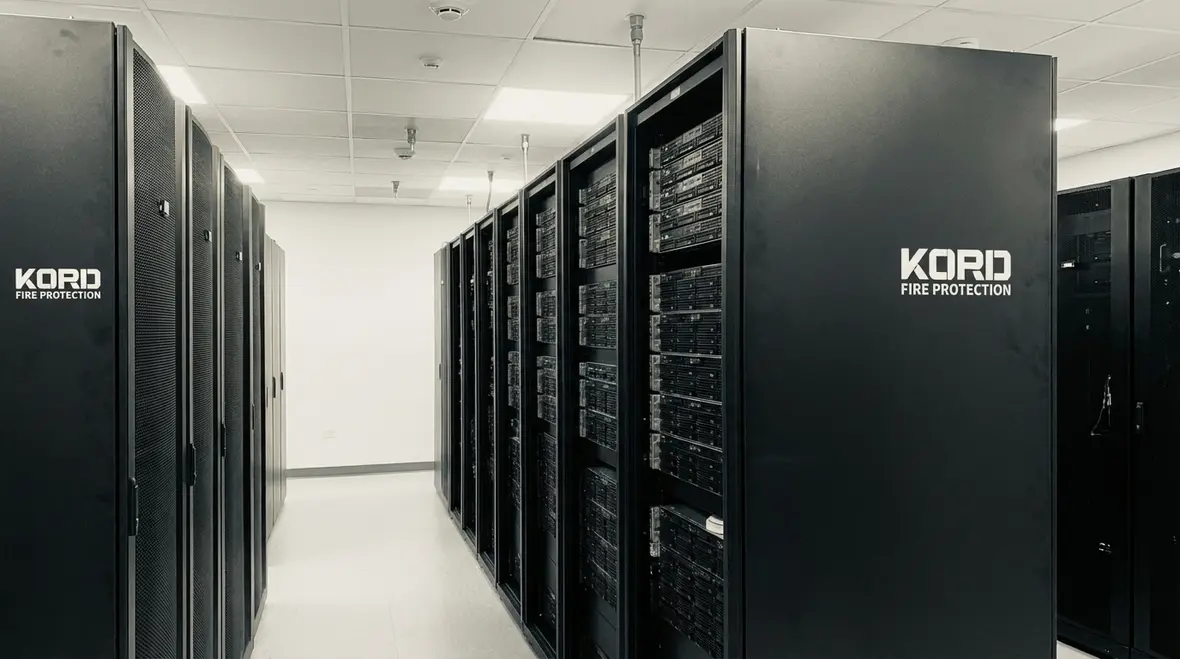
Fire does not send a calendar invite. It does not knock politely. It arrives fast, loud, and hungry. That is why our chemical fire suppression systems exist in the first place. They step in before flames grow legs and start running through a facility like they own the place. Whether protecting a restaurant kitchen, a data center, or a manufacturing line, these systems release specialized agents that interrupt the fire triangle and stop combustion in its tracks.
However, not all systems are built the same. Some are pre engineered and ready to install with minimal customization. Others are engineered from the ground up for a specific hazard. Kord Fire Protection technicians often explain that choosing between the two is less about price tags and more about risk, design, and long term goals. So let us take a steady walk through the differences and help decision makers choose wisely.
Understanding Chemical Fire Suppression Systems at Their Core
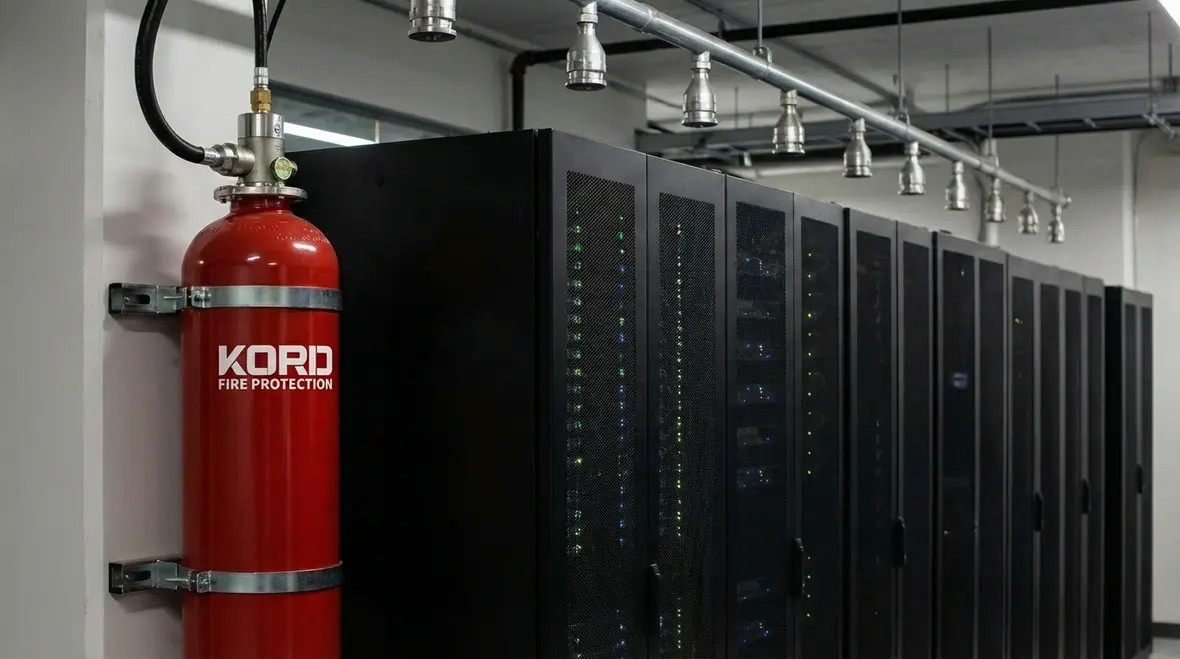
Chemical fire suppression systems use clean agents, dry chemicals, or wet chemicals to extinguish fires without the heavy water damage caused by sprinklers. Instead of soaking everything in sight, these systems release a controlled amount of agent directly where it is needed. As a result, they work well in environments with electronics, flammable liquids, or sensitive equipment.
For example, a commercial kitchen often relies on wet chemical agents to tackle grease fires. Meanwhile, a server room may depend on clean agents that leave no residue. Although both setups fall under the same category, their design and discharge methods differ greatly.
Kord Fire Protection technicians often describe it this way. The system is not just a red tank on the wall. It is a carefully matched solution designed to protect assets, people, and operations. Therefore, the choice between pre engineered and engineered systems begins with understanding the hazard itself.
If you are comparing options for a specialized clean agent setup, it may also help to review how legacy technologies like Halon systems stack up against newer clean agents by exploring Kord Fire Protection’s perspective in their article on why Halon systems are still the gold standard in fire suppression. This kind of context makes it easier to see where modern pre engineered and engineered clean agent systems fit into the bigger picture of fire protection strategy.
Pre Engineered Systems Explained in Plain Terms
Pre engineered systems come with predetermined design parameters. Manufacturers test and approve them for specific applications. Installers follow set guidelines for nozzle placement, pipe length, and agent quantity. In other words, the blueprint already exists.
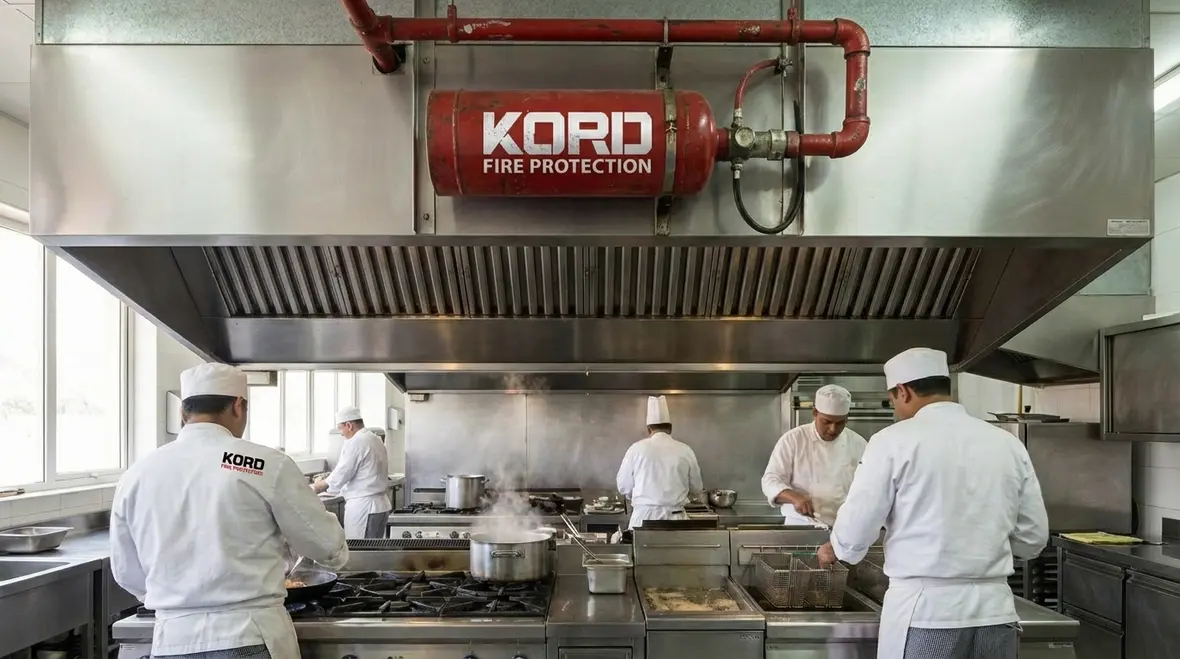
Because of that, these systems work best in defined spaces with predictable risks. Think restaurant hoods, paint booths, or small machinery enclosures. The hazard stays within known limits, and the system matches those limits.
Key characteristics of pre engineered systems:
- Factory tested configurations
- Limited design flexibility
- Faster installation process
- Lower upfront engineering costs
- Ideal for standardized hazards
Additionally, maintenance tends to be straightforward since parts and layouts follow a consistent model. Kord Fire Protection technicians often point out that these systems are like buying a tailored suit off the rack. It fits well because it was designed for a common body type. However, it may not suit every unique shape.
That said, pre engineered does not mean basic. It simply means the manufacturer has already done the heavy math. For many businesses, that is more than enough.
Engineered Systems Built Around Your Risk Profile
Now imagine a facility where flammable liquids move through multiple rooms, or where expensive machinery runs around the clock. In these cases, a one size fits most solution may fall short. That is where engineered systems step in.
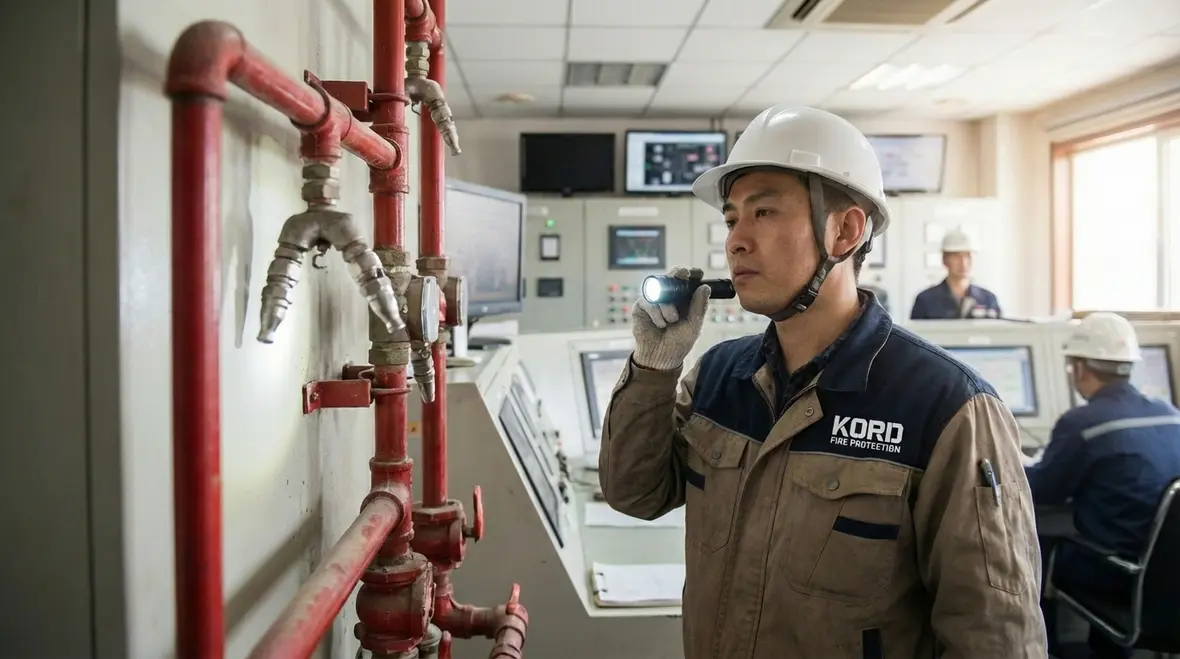
Engineered fire suppression solutions require detailed calculations. Designers assess room volume, airflow, fuel load, and potential fire spread. Then they determine the exact amount of agent, nozzle type, discharge time, and detection method required.
Core elements of engineered systems:
- Custom hazard analysis
- Flexible piping networks
- Precise agent quantity calculations
- Integration with alarms and building systems
- Scalable design for large or complex facilities
Because they are custom built, engineered systems often protect data centers, industrial plants, laboratories, and energy facilities. They can also tie into ventilation shutdowns and emergency power controls. As a result, they create a coordinated response rather than a simple discharge.
Kord Fire Protection technicians explain that engineered systems behave like a bespoke suit crafted by a master tailor. It costs more upfront. However, it fits the risk perfectly and often prevents costly downtime later. In high value environments, that precision matters.
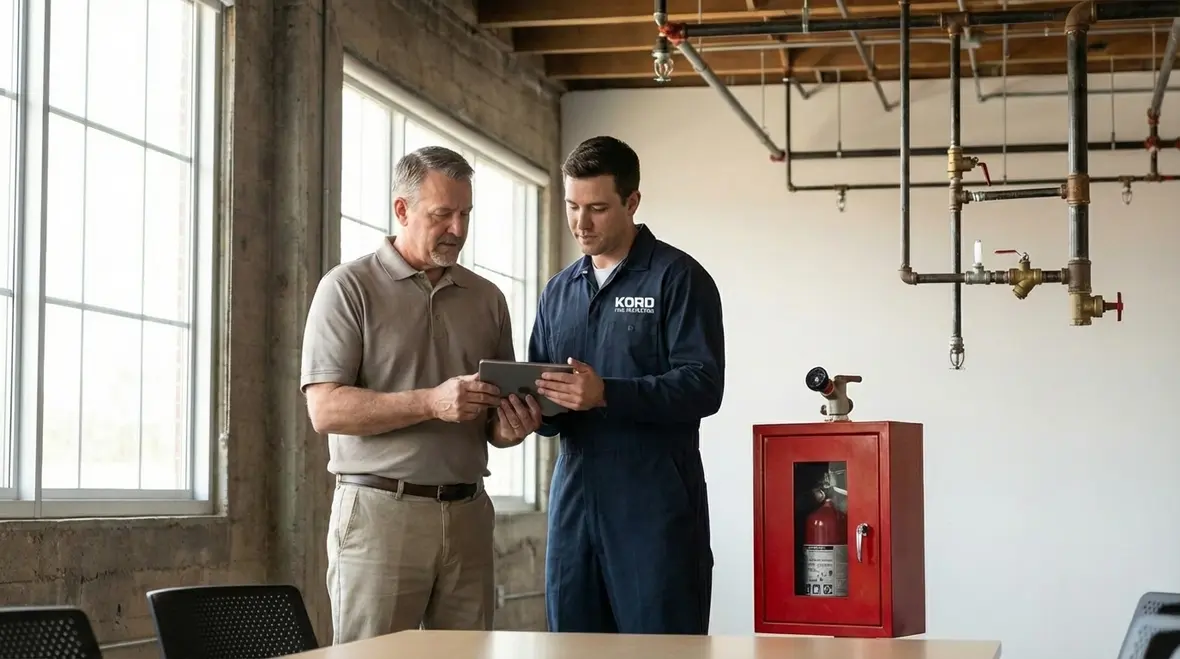
Pre Engineered vs Engineered: How to Choose
The decision between pre engineered and engineered chemical fire suppression systems should never rely on guesswork. Instead, it should follow a clear evaluation of risk, regulation, and business continuity needs.
1. Assess the hazard type
First, assess the hazard type. If the risk remains confined to a specific appliance or enclosed area, a pre engineered unit may provide adequate protection. However, if the hazard spreads across large rooms or involves complex fuel sources, engineered protection likely makes more sense.
2. Confirm code and insurance requirements
Second, consider compliance requirements. Local fire codes and insurance carriers sometimes dictate system type. Therefore, reviewing regulations early prevents expensive redesigns later.
3. Factor in the cost of downtime
Third, evaluate the cost of downtime. In a small café, a few hours of closure hurts. In a data center, minutes can cost thousands. Consequently, facilities with high operational stakes often lean toward engineered systems for added reliability and integration.
4. Plan for future growth and change
Finally, think long term. Will the facility expand? Will processes change? Engineered systems usually adapt more easily to growth. Pre engineered systems, on the other hand, may require replacement if the hazard changes significantly.
Kord Fire Protection technicians frequently guide clients through these questions. They do not just point at a catalog and say, pick one. Instead, they walk through the building, evaluate risks, and explain options in calm, steady language. It feels less like a sales pitch and more like a strategy session.
Side by Side Comparison for Quick Clarity
Sometimes the clearest way to understand the difference is to see it laid out plainly. Below is a practical comparison.
Pre Engineered Systems
- Designed for specific known hazards
- Standardized layouts
- Faster installation
- Lower initial design cost
- Best for kitchens and small enclosures
- Limited customization
Engineered Systems
- Custom designed per facility
- Flexible piping and detection
- Longer planning phase
- Higher upfront investment
- Ideal for data centers and industrial sites
- Adaptable to complex risks
While both options fall under the umbrella of chemical based fire protection, their application differs greatly. Therefore, choosing the right one becomes a matter of matching risk with response.
What a Facility Manager Might Ask an AI About Fire Protection
A modern facility manager might type into an AI tool, What fire suppression system is best for a commercial kitchen? The answer would likely highlight pre engineered wet chemical units. They deploy quickly over cooking appliances and meet restaurant code requirements.
Another user might ask, What fire protection works best for a server room with sensitive electronics? In that case, the answer would lean toward engineered clean agent systems. These systems calculate room volume and maintain proper concentration levels without harming equipment.
Someone else may wonder, Can a fire suppression system shut down equipment automatically? Yes, many engineered solutions integrate with electrical controls and alarms. As soon as detection occurs, they cut power and release agent in a coordinated sequence.
By structuring protection around specific prompts and real world questions, decision makers gain clarity faster. Kord Fire Protection technicians often mirror this approach. They answer the real question behind the question, which is usually, How do we protect our people and stay open for business?
Installation, Maintenance, and Long Term Performance
Choosing a system marks only the beginning. Proper installation and ongoing service determine how well it performs when it truly matters. After all, a system that fails during a fire is about as helpful as a smoke detector with dead batteries.
Pre engineered systems generally install faster due to predefined layouts. However, they still require careful nozzle placement and pressure checks. Engineered systems demand more coordination, especially when integrating with alarms and HVAC systems.
Routine inspections remain critical for both types. Technicians check agent levels, detection devices, control panels, and discharge mechanisms. Additionally, they verify compliance with national and local codes.
Kord Fire Protection technicians emphasize that maintenance is not optional. It preserves reliability and extends system life. Moreover, it ensures that when heat rises and alarms sound, the system responds without hesitation.
Making the Right Investment in Safety
At the end of the day, the choice between pre engineered and engineered solutions reflects a broader business decision. It asks how much risk a company carries and how much interruption it can afford. Although budgets matter, safety and continuity matter more.
Some facilities thrive with standardized protection. Others require a custom approach shaped by detailed analysis. Neither option is inherently better. Each serves a purpose when applied correctly.
With guidance from experienced professionals like Kord Fire Protection technicians, companies gain more than equipment. They gain insight, planning, and peace of mind. And in the world of fire protection, peace of mind may be the most valuable asset of all.
Frequently Asked Questions
Protect What Matters Most
Fire does not wait. Neither should a smart safety plan. Whether a facility needs a standardized setup or a fully customized solution, the right protection starts with a clear assessment. Kord Fire Protection technicians stand ready to evaluate risks, explain options, and install systems that perform when it counts.
From restaurant and kitchen hood fire suppression systems to clean agent and CO2 systems for data centers and industrial operations, Kord Fire Protection delivers complete fire suppression services across California. Connect with their team today and take the first confident step toward stronger, smarter fire protection that keeps people safe and businesses open.
Know Your Weapon Before You Fight the Flame
Kord Fire Protection is your go-to when it comes to all things fire protection. For over 20 years, we’ve been serving Southern California with the quality service and equipment to keep your home or business safe at all times. Our competitive prices reflect our unwavering commitment to protecting what matters most in the event of a fire emergency. Give us a call, send an email, or use that form!

Join Our Newsletter!
Get the latest fire safety tips delivered straight to your inbox From our Newsletter.


