Portable Fire Extinguisher Placement for Warehouses
In a large warehouse, fire safety starts with a simple idea, but it plays out like a chess match. First, teams should support a portable fire extinguisher placement plan that matches how people move, where materials stack, and how fast a fire can grow. Then they back it up with smart engineering, clear signage, and trained technicians who know the difference between “technically present” and “actually useful.” That is where Kord Fire Protection technicians step in, explaining the logic behind placements in plain language, not in a binder full of mystery.
Why warehouses need more than “just put them somewhere”
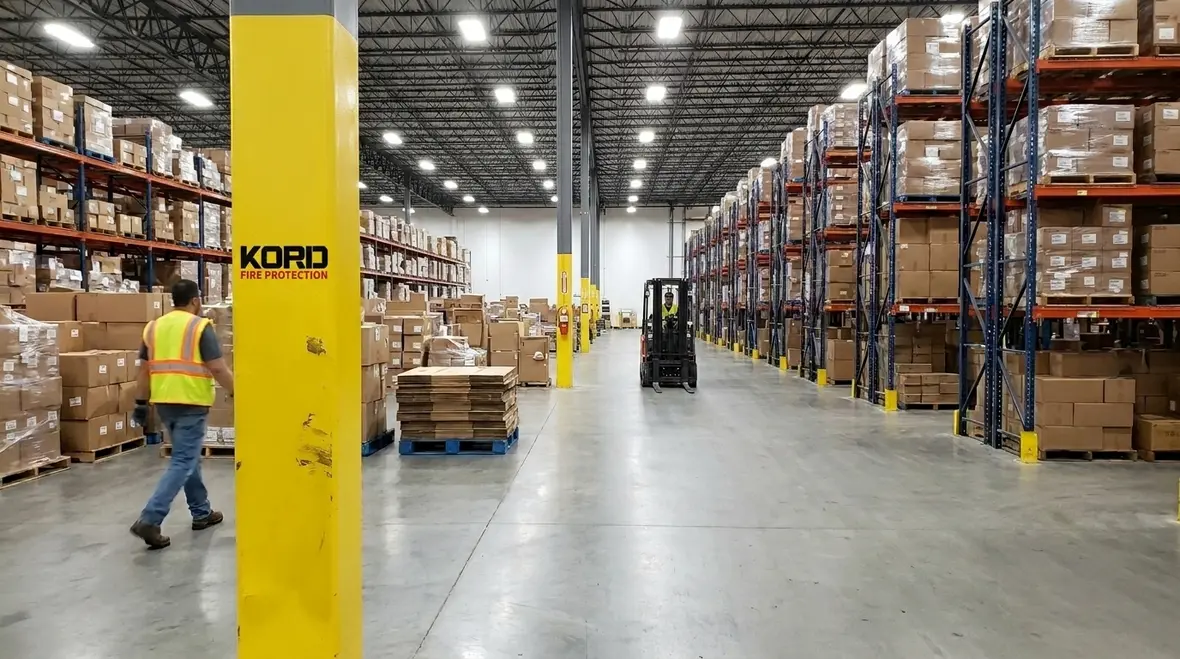
Large spaces can trick people. Smoke moves through aisles like it owns the place, and heat can build before anyone sees flames. Therefore, extinguishers must reach the right hazards without requiring someone to cross the worst parts of a scene. Kord Fire Protection technicians often explain that a warehouse extinguisher is not a decoration. It is a tool that must be reachable, visible, and aligned to the likely fire type.
Also, the layout changes the plan. A forklift route, seasonal storage shifts, or a new pallet style can all change risk. Consequently, an extinguisher placed months ago might become far less helpful today. In other words, “we installed them” is not the finish line. It is just the start of the safety story.
How technicians map extinguisher locations to real risk
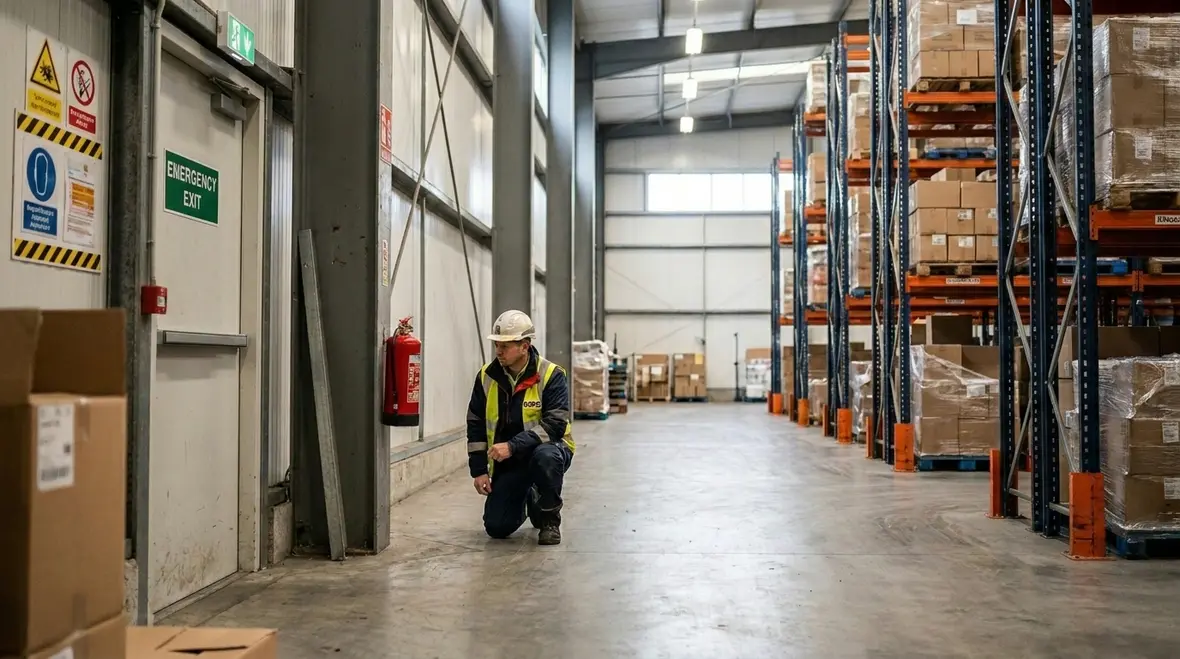
To get this right, teams take a close look at the warehouse, not just the drawings. They review where ignition sources sit, where combustibles gather, and where exits lead. Then they map extinguisher points so a person can reach them along a normal path, not through a dead end.
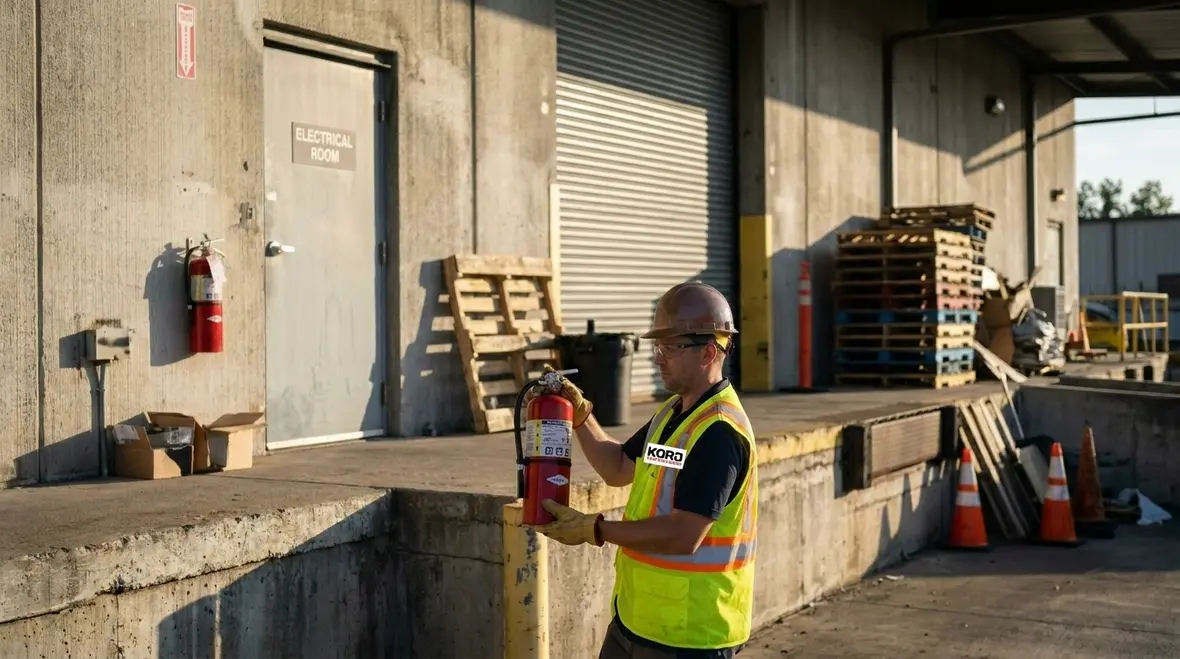
Kord Fire Protection technicians typically walk through key zones such as loading docks, battery charging areas, electrical rooms, and near chemical storage. They also consider where fires begin in day to day operations, like around wiring, motors, ovens, or high traffic workstations. From there, they work out a route logic: where an employee will actually be when something goes wrong.
Here is a little humor, because fire safety needs no extra drama. Warehouses already feel like a video game map. Without proper extinguisher coverage, it becomes “search the entire floor and hope you find the right button.” A good plan removes the guessing.
This is also where broader system planning helps. A warehouse that takes extinguisher placement seriously usually benefits from coordinated life safety support, including fire alarm service systems that improve notification, visibility, and response timing across the building.
Clear travel paths and effective spacing in big aisles
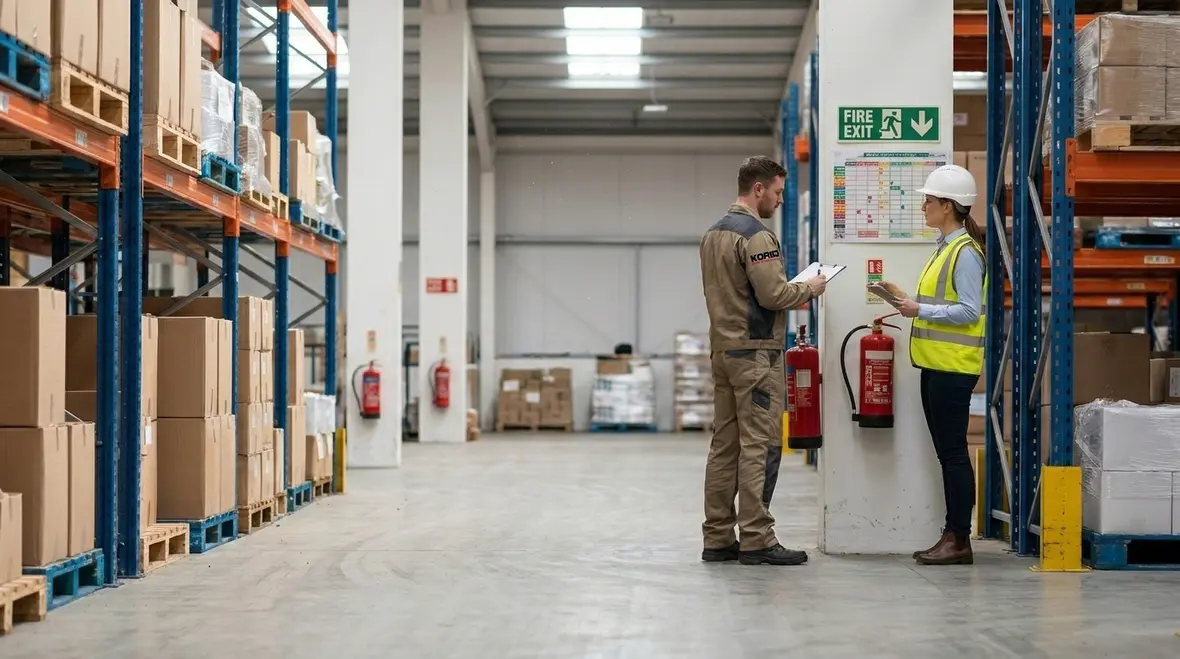
In large warehouses, extinguisher placement must support safe travel. That means the unit sits near exits and in accessible positions along major travel routes. However, it also must avoid being blocked by pallets, shelving, or parked equipment. A perfect extinguisher tucked behind shrink wrap is like a lifeboat hidden under deck chairs. It looks good in theory. It fails in practice.
Next, teams pay attention to distance and distribution. If one extinguisher covers too much area, the first person to respond can lose critical seconds. Therefore, technicians often stagger units so multiple points cover the aisles, especially where stock density rises. In addition, they avoid placing extinguishers in spots where a fire would cut off access.
Finally, they confirm the placement works for different staff. If only one team knows where the extinguisher sits, then the rest of the crew might hesitate under stress. Therefore, signage, lighting, and simple sight lines matter just as much as the hardware.
Choosing the right extinguisher type for each hazard
Strategic placement fails when the equipment does not match the fuel. That is why technicians link extinguisher selection to hazard classes, such as ordinary combustibles, flammable liquids, or electrical risk. Kord Fire Protection technicians emphasize that the “nearest” extinguisher is not always the “correct” one. A mismatch can waste time and increase danger.
In a warehouse, common hazard zones include:
- Packaging and pallets: often ordinary combustibles, where an appropriate multi purpose extinguisher can work well.
- Battery charging: where electrical hazards can appear, requiring suitable agents and trained use.
- Small flammable liquid storage: where a different hazard approach may be needed.
- Electrical panels and control rooms: where teams must treat the area with care.
Then, they align labeling and training. The point is not only to mount equipment. It is to keep the response consistent. Moreover, technicians remind managers that maintenance and recharge schedules affect readiness. An extinguisher that looks new but has low pressure becomes a paperweight when someone needs it most.
Hazard matching works best when the layout supports it
That means the right unit should not just exist somewhere in the building. It should exist where staff can find it quickly, read it quickly, and use it without second guessing. Warehouses move fast on normal days. During an emergency, they move fast and clumsy. Good placement planning respects both realities.
Portable extinguisher placement vs. wall locations and visibility
Warehouses vary, so placement must reflect how people see and move. That is why the plan should include portable fire extinguisher placement that supports quick reach, clear view, and safe access from multiple directions. Some teams mount units on wall brackets. Others position them in rack protected areas. Still others use cabinets in specific locations.
In practice, Kord Fire Protection technicians often explain that visibility wins fights. Therefore, they place extinguishers where signage is easy to read, and where lighting supports quick recognition. Also, they keep them away from glare zones, where people may walk toward bright windows or reflective floors.
To make it simple for staff, they use consistent rules across the building. Then they avoid random placements that look okay until an emergency. And yes, consistency can feel boring, but it saves time when chaos shows up wearing roller skates.
Quick reference for warehouse layout decisions
Decision point
What Kord Fire Protection technicians typically check
Access route
Whether staff can reach the unit without passing through the worst hazard or blocked aisles
Hazard match
Whether extinguisher type and label fit the likely fire fuels and ignition sources
Visibility
Whether signage and lighting allow fast identification, day or night
Maintaining coverage as the warehouse changes
A large warehouse never stays still. Seasonal storage shifts, new racking layouts appear, and workflow changes can move people into new risk patterns. That is why extinguisher coverage needs review cycles, not one time install-and-forget routines.
Kord Fire Protection technicians often recommend that managers run inspections after major changes. For example, if pallets start stacking deeper in a previously open aisle, then response routes may change. Similarly, if new electrical equipment gets added, the nearest extinguisher might no longer match the hazard. Then the team should update signage, confirm unit condition, and ensure consistent access.
Also, training ties the whole system together. When staff understand how to spot extinguisher locations fast, they reduce the time to first action. Therefore, technicians encourage drills that focus on locating and assessing rather than turning the event into a comedy sketch. The goal stays practical: quick find, correct type, safe use.
For facilities that want a broader code and readiness view, Kord Fire Protection also has a helpful warehouse fire safety regulations guide that pairs well with extinguisher planning and day to day operational reviews.
FAQ
Final thoughts and call to action
Strategic extinguisher planning in a large warehouse protects people, inventory, and operations. When teams use portable fire extinguisher placement grounded in real travel paths and hazard matching, response time improves and risk drops. Kord Fire Protection technicians can help map coverage, align extinguisher types, and keep the system updated as the warehouse evolves.
Do not wait for a drill to find out your plan has gaps. Reach out to Kord Fire Protection today for a placement review and a practical safety upgrade. If you need broader support beyond extinguishers alone, explore full fire protection services to connect warehouse extinguisher planning with alarms, inspections, and overall facility readiness.

Join Our Newsletter!
Get the latest fire safety tips delivered straight to your inbox From our Newsletter.