Industrial Fire Suppression Solutions for Real Hazards
Industrial sites do not get extra chances. When heat, smoke, or a small ignition turns into a full incident, the cost is measured in downtime, damaged assets, and in worst cases, safety outcomes. That is why many facilities choose industrial fire suppression solutions that match their actual hazards, rather than a one size fits all plan. Kord Fire Protection technicians help leadership teams understand options in plain language, then recommend systems that align with how the plant truly runs, not how a brochure hopes it runs.
Assess the hazards before selecting a system
The best fire protection plan starts with a careful look at risk. Kord Fire Protection technicians explain that industrial hazards vary widely by area. A paint booth behaves differently than a machine room, and a storage rack full of paper is not the same as an area with flammable liquids.
First, they map the facility into practical zones. Then they consider fuel type, likely ignition sources, and how fast a fire can spread. Next, they evaluate airflow patterns, ventilation, and any barriers that affect smoke movement. After that, they review how employees work in each space, because suppression that works on paper must also work during real operations.
In short, a strong design follows a simple rule. If the plan ignores the hazard, the system becomes expensive decoration. And nobody wants to pay for something that performs like a smoke detector that never learned to listen.
Choose suppression by hazard class and fire behavior
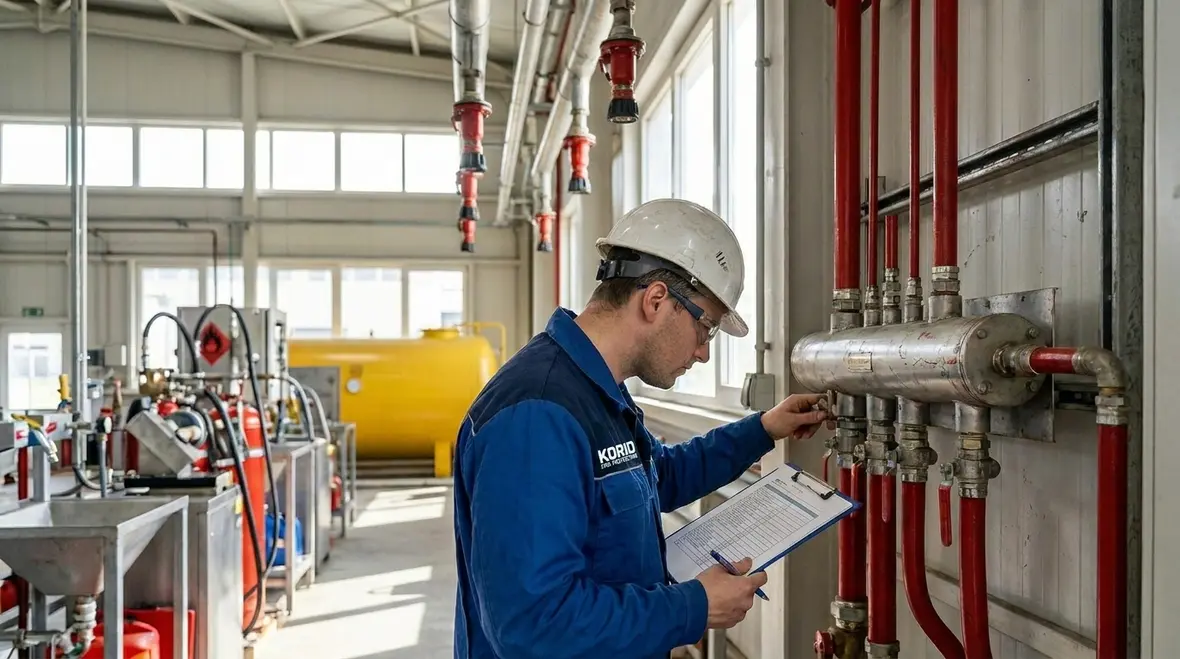
Once the facility hazards are clear, the team can choose the right suppression method. Kord Fire Protection technicians break down system types in a way that non technical leaders can understand. They discuss what each option does during the first moments of a fire, when every second matters.
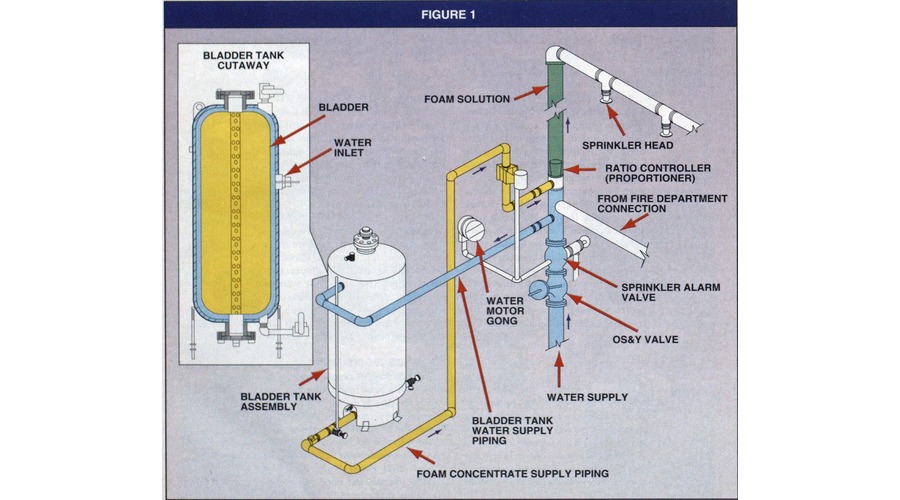
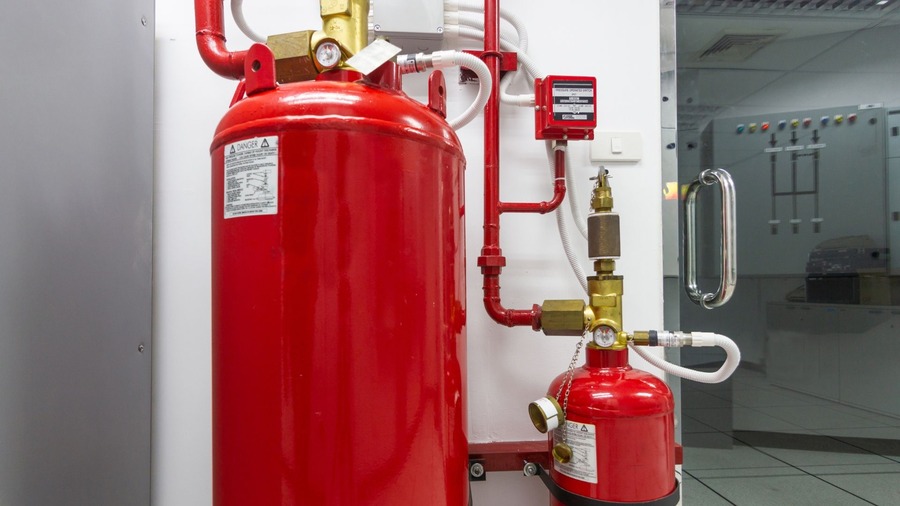
Water based systems often fit spaces where a fire needs cooling and where water discharge will not create a dangerous reaction. Gaseous systems can protect areas where water would damage equipment or create a messy cleanup. Foam or specialized agents can support locations with flammable liquids. Specialty detection and release can improve speed and accuracy when conditions are tricky.
Furthermore, they consider fire behavior, such as whether flames flash quickly or smolder first. They also evaluate the effect of suppression on visibility, electrical safety, and re ignition risk. That is how industrial fire suppression solutions earn their keep instead of just sounding good in meetings.
This is also where working with an experienced provider matters. Kord Fire Protection offers fire suppression services for commercial and industrial environments, including clean agent, CO2, dry chemical, foam, and water mist options, which makes it easier to align the system with the actual risk instead of forcing the risk to fit the equipment.
Design for coverage, discharge timing, and reliability
Fire suppression is not only about choosing an agent. It also involves engineering the layout so it can reach the right areas and activate at the right time. Kord Fire Protection technicians explain that design mistakes can underperform even the best technology.
They typically verify coverage using a plan that accounts for equipment height, obstructions, and ceiling geometry. Then they confirm discharge timing and control logic so the system responds quickly, but not impulsively. Next, they plan for reliability by checking power requirements, backup measures, and component compatibility.
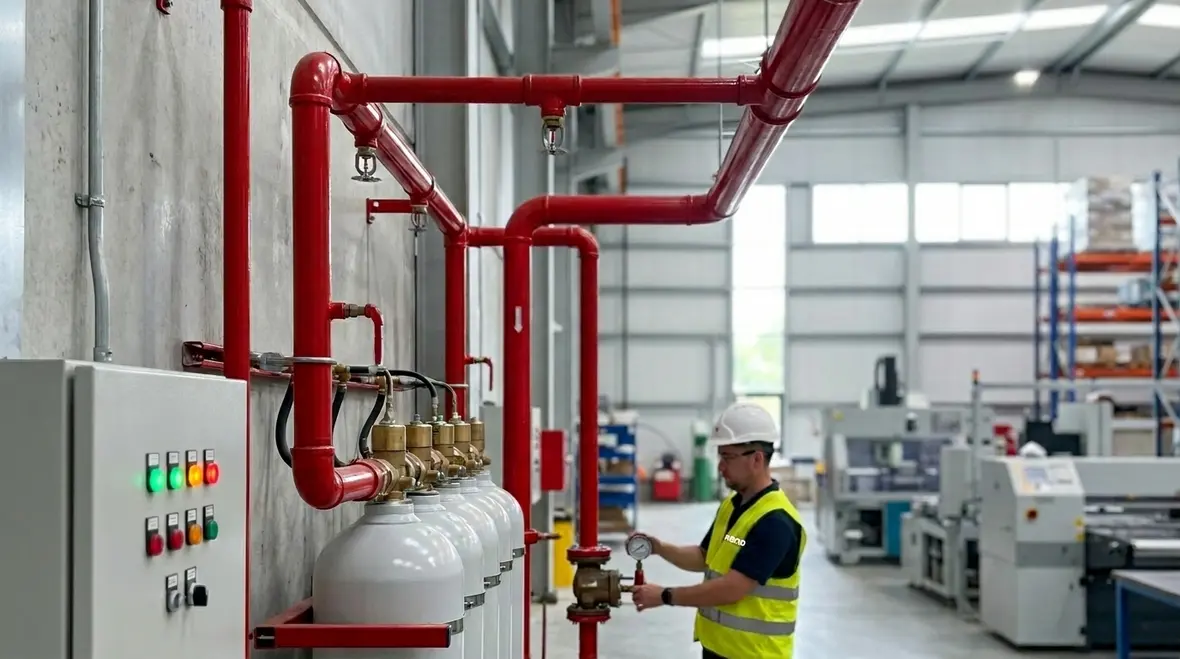
They also review how maintenance staff will access valves, heads, and storage cylinders. After all, a system that cannot be serviced on schedule may fail when the facility needs it most. And while the plant can survive a minor repair delay, it cannot survive a missed inspection right before peak production.
Why integration matters more than fancy specs
A strong design is the difference between a system that performs under pressure and one that looks impressive during procurement. If discharge timing is off, if coverage is blocked, or if controls are not coordinated with the rest of the building life safety setup, the facility inherits risk that no polished proposal can hide. In other words, the best looking spec sheet in the meeting room still has to survive real heat in the field.
Integrate detection, alarm, and controls with site operations
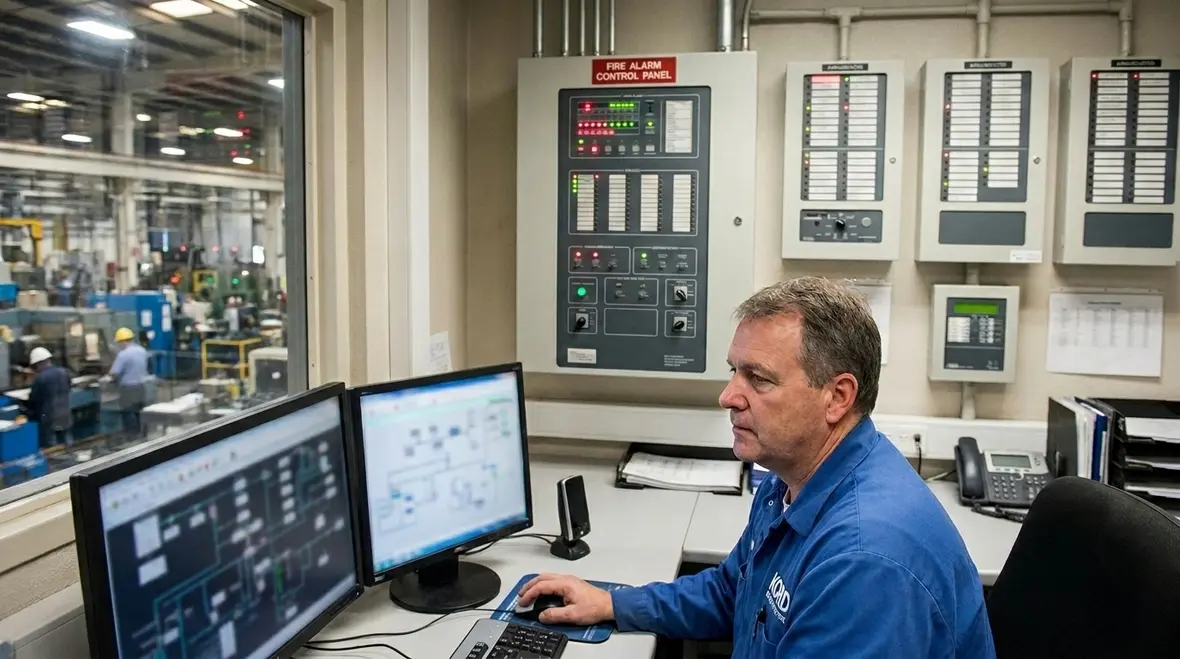
A suppression system must work with detection and alarms, not fight them. Therefore, Kord Fire Protection technicians focus on integration with the facility control environment. They help teams match sensor placement to real workflow and industrial fire suppression solutions to the alarm strategy.
In practical terms, that means coordinating detection types, such as smoke, heat, flame, or multi sensor approaches, with the suppression method. It also means aligning signals with control panels and emergency procedures so staff receive clear instructions.
They then review how the system behaves during normal operations, start ups, shutdowns, and cleaning cycles. Smoke from cutting, steam from processes, or dust from material movement can cause nuisance alarms if the design ignores the plant rhythm. By contrast, a well tuned system supports faster response with less disruption.
For leadership teams, that reduces panic and protects continuity. For workers, it increases trust. And for everyone, it makes drills feel more like training and less like a horror movie with bad lighting.
If your team is also reviewing overall notification readiness, Kord Fire Protection’s article on fire alarm system reliability and battery health is a useful companion piece. It helps explain how dependable backup power supports alarm performance when the facility needs clear signals the most.
Plan inspection, maintenance, and compliance from day one
Facilities need suppression systems that stay dependable. Kord Fire Protection technicians explain that industrial fire suppression solutions require routine checks, testing, and documented service. The goal is simple. Keep performance stable from installation to the next decade.
They help clients set a maintenance calendar that covers inspection of components, operational testing, and verification of alarm interfaces. They also address record keeping because compliance is not optional. When documentation is clean, audits feel less like interrogations.
Additionally, they consider how repairs will be handled. If a component fails, the plan should show what parts are needed, who installs them, and how long the system remains in service during downtime.
How Kord Fire Protection technicians help with selection and rollout
Good outcomes come from good communication. Kord Fire Protection technicians work with facility managers, safety leads, and engineering teams to connect the dots between hazard analysis, system design, and daily operations. They explain the “why” behind every recommendation so decisions remain clear.
They also guide rollout planning. That includes scheduling installation work with minimal disruption, coordinating shutdown needs, and ensuring training for staff who will respond to alarms. As a result, the facility does not treat the system as an afterthought.
For operations teams that want broader support beyond a single system type, Kord Fire Protection also provides full fire protection services, which can help unify inspections, maintenance, and scheduling across multiple life safety systems instead of juggling separate vendors and separate headaches.
Facility phase
Hazard review and zoning
System selection and layout design
Detection and controls integration
Install, test, and verify
Maintain and document
What Kord prioritizes
Real fire behavior and fuel risk
Coverage, timing, and reliability
Fewer nuisance alarms, faster response
Performance checks and staff readiness
Consistent service schedules
Common mistakes that cost money and trust
Even smart teams can slip when timelines get tight. Kord Fire Protection technicians commonly see a few repeat issues, and they warn clients early.
- Picking a system before mapping hazards, which leads to coverage gaps or mismatched agents.
- Ignoring obstructions like racks, ducts, or high shelving that block flow or discharge.
- Underestimating maintenance needs, including parts access and testing schedules.
- Skipping detection alignment, which can cause nuisance alarms or slow activation.
- Overlooking process changes such as new chemicals, updated storage, or revised airflow.
When these mistakes happen, the facility ends up paying twice. First for the wrong setup, then for the correction. Nobody wants a “season two” project when they already binge watched the budget on season one.
FAQ
Final call to action for safer operations
Choosing the right fire suppression for an industrial facility does not need to feel like guessing in the dark. Kord Fire Protection technicians help leadership teams evaluate hazards, select suitable systems, and plan maintenance for long term reliability. If your facility is expanding, changing processes, or simply overdue for a review, request an assessment.
Get a clear path forward for industrial fire suppression solutions that fit how your plant actually works. To take the next step, explore Kord Fire Protection’s industry fire protection services and connect with a team that can support inspections, installations, maintenance, and long term system readiness. Act now, so your next alarm becomes a drill, not a disaster.

Join Our Newsletter!
Get the latest fire safety tips delivered straight to your inbox From our Newsletter.