Fire Extinguisher Placement Compliance for Proper Coverage
Fire extinguisher placement compliance is not paperwork theater. It is how a facility protects people, assets, and operations when seconds matter. To meet expectations, facilities must place extinguishers so the travel distance, visibility, mounting height, and hazard coverage match the governing rules for their occupancy and layout. Then, they must document the plan and keep it current after construction, tenant changes, or new equipment. Kord Fire Protection technicians explain this in plain terms: the goal is simple, fast access, not random locations that look good on a checklist. And yes, sprinklers get the spotlight, but extinguishers handle the early stage fire when the room still has options.
Why strategic placement prevents “found it too late” moments
Most fire incidents start small. However, small fires grow fast, especially when a grease line, electrical panel, or flammable liquid ignites. In that moment, employees do not want to “search for the red thing.” They want the tool that stops the fire before it spreads. Strategic placement supports that goal by reducing response time and ensuring the right extinguisher type sits near the right hazard.
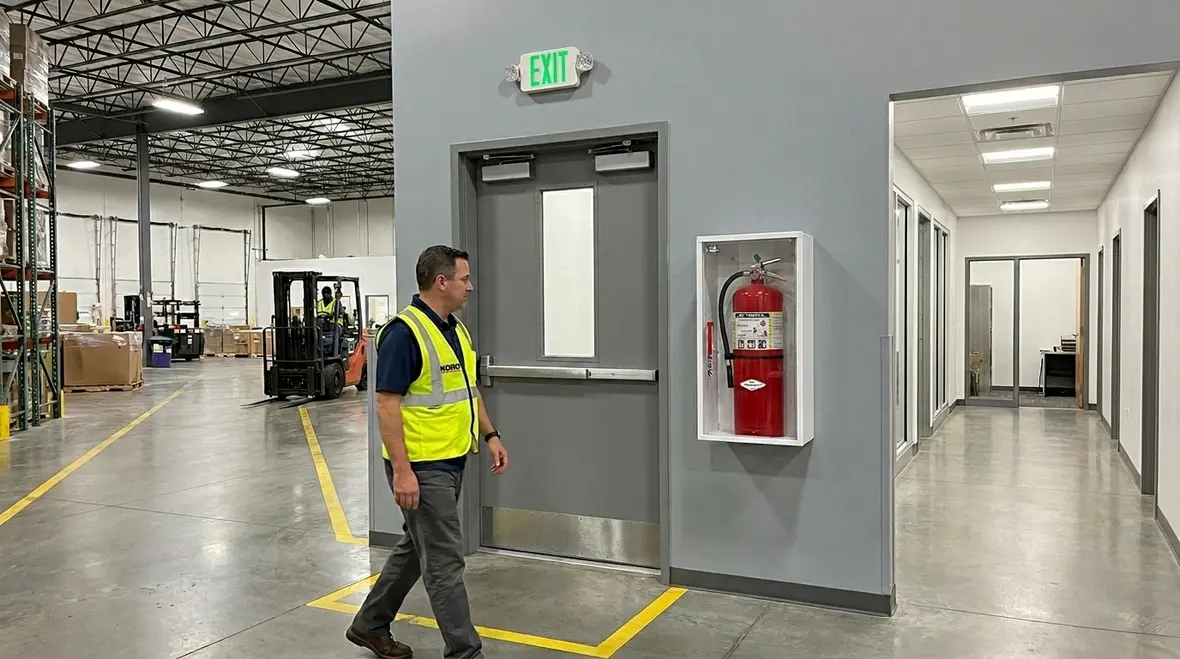
Furthermore, Kord Fire Protection technicians often point out that people behave like people. They move toward exits, follow instinct, and check what they recognize. Therefore, an extinguisher near an exit door or near the hazard, with clear visibility, becomes part of the natural flow of movement.
Even better, good placement also limits damage to training credibility. When staff can practice on a logical layout, they learn faster and they trust the system. That means fewer “I think it is over there” moments, which, honestly, are as useful as trying to stop a fire with a motivational poster.

What rules actually drive coverage decisions
Coverage is based on risk, layout, and access
Facilities usually follow local and national requirements tied to occupancy, hazard class, and extinguisher rating. Those rules generally influence four big decisions: where the extinguisher goes, how far people can be from it, what mounting height applies, and how extinguishers pair with specific hazards.
As a result, the layout becomes a map of risk, not a random spread of equipment. For example, a corridor may need coverage that aligns with travel distance limits, while a mechanical room may need additional units because the hazard level is higher and the fuel sources differ.
Additionally, compliance depends on real conditions. A storage shelf moved six feet, a new workstation installed, or a door swing changed can break coverage. Kord Fire Protection technicians explain that maintaining placement compliance means checking the environment after changes, not just when the initial plan is stamped.
That practical mindset lines up with Kord Fire Protection’s extinguisher service pages, which emphasize regular inspections, maintenance, and documented support so extinguishers stay compliant and ready for use throughout the facility. Their fire extinguisher services also include mounting, signage, testing, and maintenance support that directly affect placement compliance over time.
Mapping hazards to extinguisher locations
Think in connected spaces, not isolated rooms
The most effective plan starts by identifying hazards and then matching extinguisher type and placement. A facility should consider ordinary combustibles, electrical hazards, flammable liquids, and light cooking risks. Then it should place extinguishers so the first responder reaches the correct unit before the fire grows beyond the early stage.
Moreover, hazards rarely sit alone. A small office might share walls with a network closet. A break room might sit near a supply area. Therefore, the team should view the facility as connected spaces rather than isolated rooms.
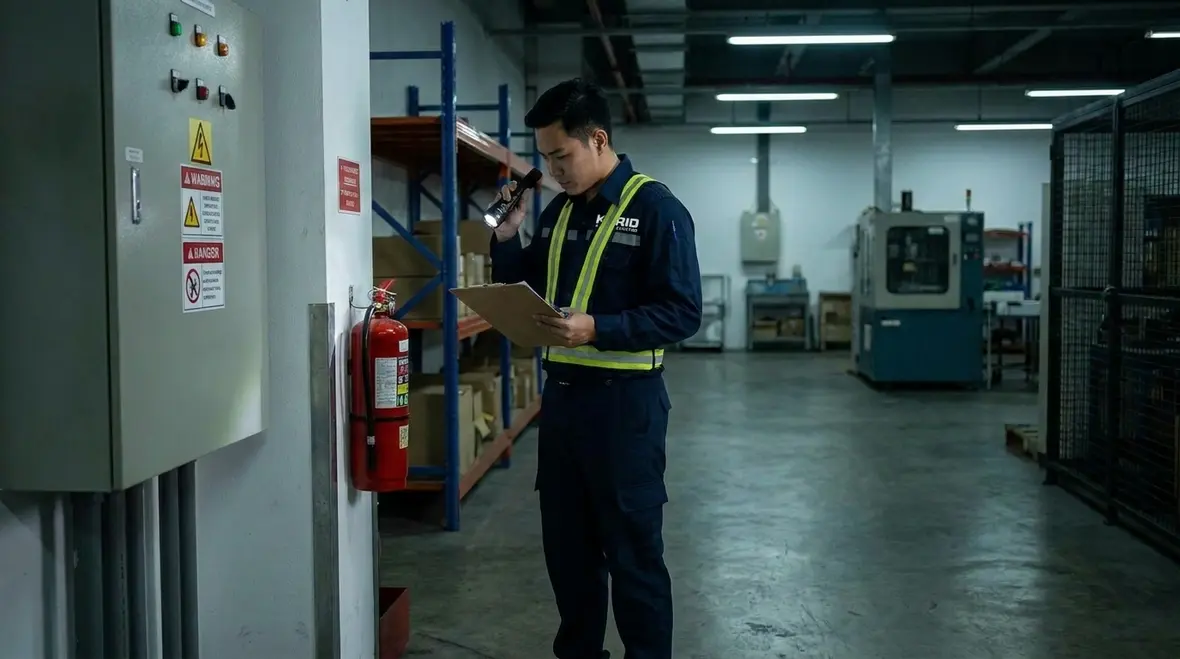
When Kord Fire Protection technicians complete these site reviews, they typically look for practical coverage paths. They check how staff walk, where doors open, and where obstacles collect. Then they design placement that accounts for how smoke and stress change visibility. In short, the plan should work when people do not have perfect calm brainwaves.
Finally, they document the logic. That documentation supports maintenance, audits, and training. It also helps prevent “we always did it this way” decisions that survive only by luck. If you want a related read for long-term equipment readiness, Kord Fire Protection also covers component care in its article about inspecting and replacing fire extinguisher parts, which pairs nicely with placement reviews.
How technicians choose mounting height, visibility, and access
A visible extinguisher is a usable extinguisher
Placement is not only about distance. It also includes mounting height, clearance, and how quickly someone spots the extinguisher. If the unit sits behind a door, under a shelf, or in a corner filled with clutter, it becomes a decorative red prop.
So technicians set placement so staff can reach the extinguisher without moving obstacles or stepping into danger. In corridors, they often select wall locations that keep the unit visible from normal approach angles. In rooms with tight layouts, they consider door swing and whether the extinguisher remains reachable during an emergency.
Additionally, they label and train. Even the best equipment fails if employees do not recognize it. Therefore, Kord Fire Protection technicians also align extinguisher signage and training cues with the placement plan. Kord Fire Protection’s extinguisher-focused service pages highlight employee training, monthly inspections, annual service, and onsite support, all of which strengthen the human side of placement compliance just as much as the hardware side.
For a tiny joke, remember this: a fire extinguisher hidden where only the bravest can find it is just a fire starter’s best friend. The unit should help average people, not star in an action movie.
Designing coverage using placement compliance in real layouts
Measure the path people actually take
Here is where the plan turns into measurable coverage. Technicians use the facility floor plan to estimate travel paths and ensure the distance limits stay within required thresholds. They consider both the route a person would naturally take and any barrier that could slow access during smoke or panic.
Then they verify hazard coverage so the right extinguisher exists near the likely origin points. For example, a kitchen area needs units that match cooking risks. An electrical room needs equipment that supports the hazards inside. Meanwhile, storage areas often require coverage that reflects how combustibles are stacked and what materials are present.
After that, they check redundancy. Good design does not rely on a single extinguisher covering everything. Instead, it creates overlapping coverage so one unit cannot be blocked by a door, a temporary pallet, or a change in traffic flow.
Finally, they connect the plan to maintenance. If the facility updates its layout, the coverage plan must update too. Kord Fire Protection technicians advise treating placement compliance as a living system, not a one time installation. That idea also fits Kord Fire Protection’s broader full fire protection services approach, where inspections, testing, and readiness work together instead of living in separate silos.
Common placement mistakes that audit teams catch
Even well intentioned facilities make mistakes. The good news is that many issues show up before an incident, and technicians can catch them during inspections and walkdowns.
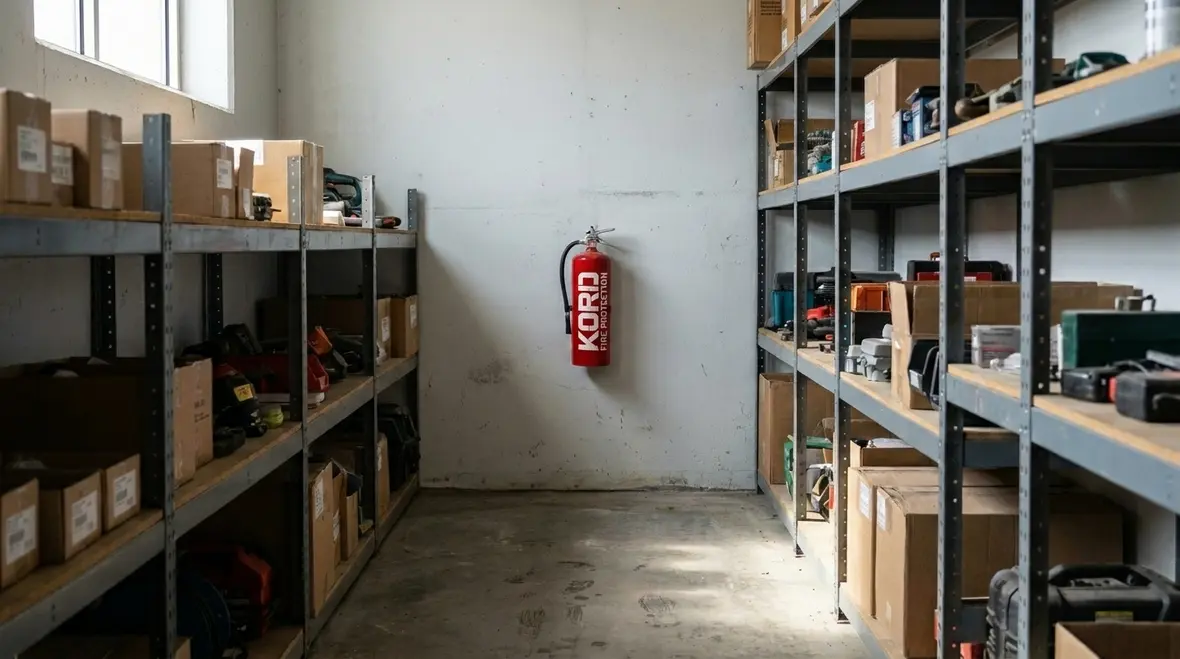
- Cluttered access: Extinguishers placed near storage racks often get blocked as inventory grows.
- Incorrect hazard match: A unit near a high hazard area might not match the hazard type, which weakens effectiveness.
- Coverage gaps after layout changes: New walls, new departments, or moved equipment can change travel paths and hazard locations.
- Hidden visibility: Units behind posters, beside decor, or in recessed niches can become hard to spot quickly.
- Mounting issues: If the unit is mounted too high or too low, responders lose time reaching it.
And yes, audits are not out to ruin anyone’s day. They focus on consistency and readiness. When Kord Fire Protection technicians explain the “why,” staff usually understand fast. It is not about fear. It is about planning that works under stress.

FAQ: Fire extinguisher coverage and placement compliance
Conclusion and call to action
Strategic fire extinguisher placement protects people and keeps operations steady when something goes wrong. However, coverage only works when it matches your layout, your hazards, and your real travel paths. Kord Fire Protection technicians help facilities build a placement plan that supports fire readiness and stays aligned after changes.
If your building has grown, been renovated, or added new equipment, now is the time to verify your extinguisher locations. Schedule an assessment and get a compliance focused coverage check before the next “we’ll handle it later” moment. For direct support, explore Kord Fire Protection’s Fire Extinguisher Service & Certification page or review their broader Fire Extinguisher Service offerings for inspections, training, testing, and maintenance.

Join Our Newsletter!
Get the latest fire safety tips delivered straight to your inbox From our Newsletter.