NFPA 52 Section 20.4: LNG Storage Requirements at Vehicle Fueling Facilities
Quick Answer
NFPA 52 Section 20.4 sets the minimum safety and operational requirements for LNG storage used to fuel vehicles. It drives system design, separation distances, pressure relief and venting control, leak mitigation, emergency planning, and inspection and maintenance practices for fueling facility operators.
Vehicle fueling operators that store LNG must align their facility design and day to day operations with NFPA 52 LNG storage vehicle fueling facility requirements. Section 20.4 is the focal point for storage oriented safety controls, including how LNG containers are protected, how releases are managed, and how equipment is verified through inspection and maintenance. This matters for commercial, industrial, and retail sites where uptime expectations and operational constraints frequently test compliance programs.
If your site compliance program also touches vehicle-side LNG controls, it may help to review NFPA 52 Section 16.5: Vehicle Requirements at LNG Fueling Sites alongside storage requirements so the full fueling safety chain is addressed consistently. ([kordfire.com](https://kordfire.com/nfpa-52-section-16-5-vehicle-requirements-at-lng-fueling-sites/?utm_source=openai))
For broader inspection, testing, and preventive maintenance support, Kord Fire Protection also provides a practical, compliance-focused fire protection service model for commercial facilities. ([kordfire.com](https://kordfire.com/?trk=organization_guest_main-feed-card-text&utm_source=openai))
What Section 20.4 Covers for LNG Storage at Vehicle Fueling Sites
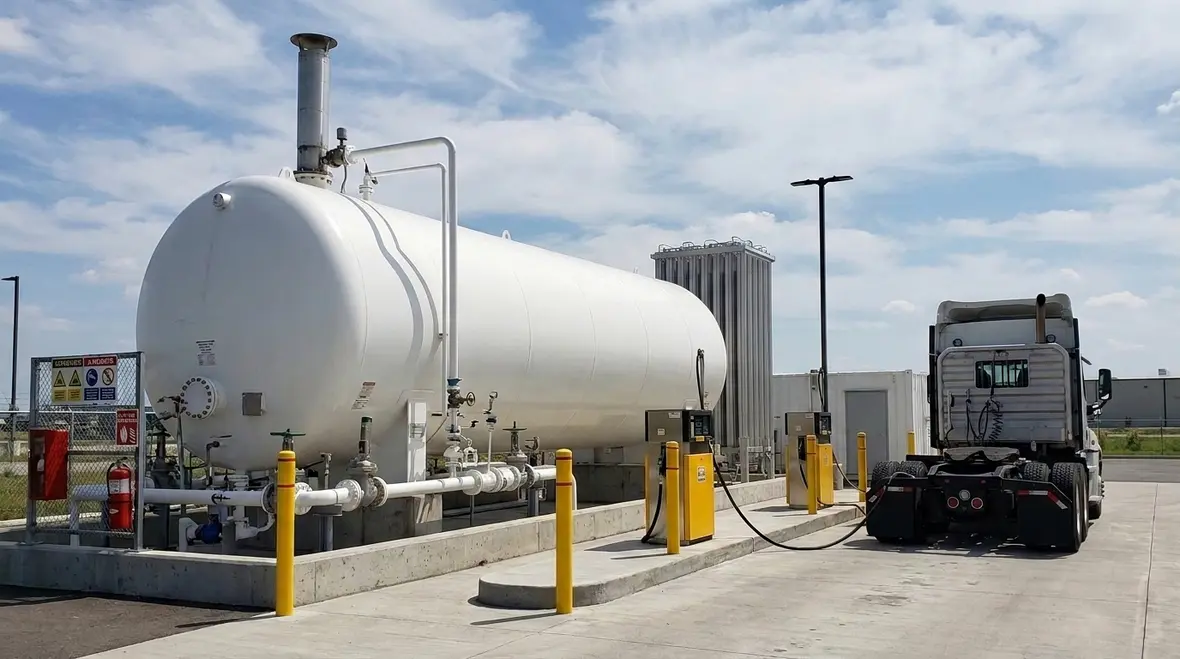
NFPA 52 Section 20.4 addresses the storage side of vehicle fueling operations. In practice, it influences how an LNG system is engineered from the moment LNG arrives on site through storage, vaporization, transfer, and fueling operations. For operators, the critical compliance question becomes: “Can the storage system remain safe under normal operations and credible abnormal conditions, including equipment degradation and human factors?”
From a fire safety and risk management perspective, Section 20.4 requirements typically focus on controlling ignition sources, minimizing the consequences of releases, ensuring proper relief and vent pathways, and maintaining barriers and detection systems that limit fire and explosion hazards.
Core Compliance Drivers Operators Must Plan For
1) Containment and release consequence control
LNG is cryogenic and can release flammable vapor when it escapes. Facilities must prevent hazardous accumulation and limit escalation of events. Compliance efforts often fail not at the initial design basis but at later stages: relief discharge routing changes, maintenance shortcuts that affect isolation, or damaged insulation that increases the likelihood of a leak.
To meet NFPA 52 LNG storage vehicle fueling facility requirements, operators should validate that containment and drainage concepts still match the as built condition, including any modifications made during upgrades or routine repairs.
2) Pressure relief, venting, and safe discharge paths
Pressure relief is central to LNG storage safety. Operators must ensure that relief devices and vent systems discharge to locations where escaping vapor will not threaten occupants, create hazardous concentrations near ignition sources, or interfere with egress.
A common failure point involves vent line damage, corrosion, misalignment, or improper termination that occurs after construction, rework, or seasonal maintenance. Facility teams should treat relief and vent inspection as a priority workstream, not a once per year checkbox.
3) Separation, siting, and ignition control
Section 20.4 requirements connect storage hazard control to overall facility layout. Even if the fueling dispenser and transfer piping comply, storage hazards can dominate if separation, shielding, or ignition control measures degrade over time.
Commercial sites frequently add new adjacent equipment, parking structures, signage, or electrical panels after commissioning. Each of those changes can alter the hazard profile around LNG storage. A defensible compliance program tracks site changes, rechecks separation assumptions, and verifies ignition control measures remain effective.
Operational Procedures That Keep Storage Systems Compliant
NFPA 52 compliance is not only a hardware story. Section 20.4 influences operating practices because LNG storage hazards can be introduced through procedural drift, inadequate training, or failure to follow abnormal condition steps.
Transfer, isolation, and shutdown discipline
Operators should ensure transfer procedures specify the exact isolation states required before maintenance, troubleshooting, or emergency shutdown. In real inspections, nonconformities often arise when valve positions are not verified, tagging systems are inconsistent, or shift handoffs do not capture the current isolation and operating mode.
Inspection readiness and equipment verification
Routine verification matters for cryogenic systems. Insulation integrity, leak monitoring performance, relief device accessibility, and vent routing integrity should be verified on a documented schedule that aligns with manufacturer recommendations and the safety objectives in NFPA 52.
Where your facility uses alarms, shutdown interlocks, or detection systems to mitigate release consequences, operators should verify that these systems function as intended during operational and emergency scenarios.
Recordkeeping that supports enforcement and audits
During compliance reviews, the quality of records often determines whether the facility demonstrates due diligence. Operators should maintain inspection and maintenance logs, relief device service documentation, calibration records for detection and measurement systems, and change management documentation for any modifications impacting storage and venting.
Inspection and Maintenance: Common Gaps That Trigger Noncompliance
Commercial fueling operators typically face time pressure, subcontractor turnover, and competing safety priorities. These realities can produce repeat nonconformities in LNG storage compliance programs.
Insulation and cryogenic component degradation
Damaged or water saturated insulation can increase heat transfer, change operating parameters, and raise the likelihood of component stress. During walkdowns, inspectors often look for insulation gaps, improper jacketing, and signs of moisture intrusion.
Relief devices and vent terminations not as designed
Vent line modifications or obstructions can invalidate the original hazard control strategy. Operators should periodically confirm that vent outlets, protective elements, and supporting structure remain intact and free of blockage and that discharge paths remain unobstructed.
Valve packing, seals, and flange integrity
Flange leaks and seal degradation frequently originate from thermal cycling, repeated pressure changes, and improper torque or gasket selection during maintenance. A compliant maintenance process includes correct parts, correct procedures, and post repair verification testing suitable for cryogenic service.
Detector performance and alarm response readiness
Even when detection systems exist, they must remain functional, properly calibrated, and supported by response procedures. Facilities should ensure that test results are recorded and that alarm management practices do not reduce effectiveness during real events.
How Kord Fire Protection Supports Ongoing NFPA 52 LNG Storage Compliance
Many fueling operators install compliant equipment at commissioning but struggle to sustain performance under real operating conditions. Kord Fire Protection provides commercial fire protection and life safety engineering support focused on inspection, testing, maintenance planning, and documentation quality for ongoing compliance. ([kordfire.com](https://kordfire.com/?trk=organization_guest_main-feed-card-text&utm_source=openai))
When facilities need to address storage hazard controls, release mitigation equipment, detection and alarm system readiness, and audit ready records, Kord Fire Protection helps reduce operational risk by aligning field work with safety objectives and inspection expectations.
For facilities looking for a practical partner, explore Kord Fire Protection’s code-compliant fire protection services and their full lifecycle of fire protection servicing to support long-term inspection and maintenance readiness. ([kordfire.com](https://kordfire.com/?trk=organization_guest_main-feed-card-text&utm_source=openai))
Frequently Asked Questions
Conclusion and Call to Action
NFPA 52 Section 20.4 drives practical safety outcomes for LNG storage at vehicle fueling facilities, especially around relief control, vent discharge safety, release mitigation, and maintenance discipline. Operators that treat these requirements as an ongoing program rather than a one time installation reduce enforcement risk and protect uptime.
Contact Kord Fire Protection to review your storage system compliance posture, confirm inspection and testing readiness, and strengthen documentation for audits and recurring inspections through their fire protection services. ([kordfire.com](https://kordfire.com/?trk=organization_guest_main-feed-card-text&utm_source=openai))

Join Our Newsletter!
Get the latest fire safety tips delivered straight to your inbox From our Newsletter.