NFPA 52 Section 20.3: LNG Dispensing Equipment and Practices
Quick Answer: NFPA 52 Section 20.3 establishes the operational and maintenance expectations for LNG dispensing equipment, including inspection, safe operating practices, and readiness controls. Facility operators must ensure equipment functions safely, responds correctly to abnormal conditions, and remains compliant through documented servicing and testing.
For facilities building a broader compliance program around inspection, testing, and maintenance discipline, full lifecycle fire protection servicing is a useful companion resource because it connects documentation, functional checks, and ongoing maintenance into one practical framework.
What NFPA 52 Section 20.3 requires for LNG dispensing operations
Commercial LNG dispensing sites rely on NFPA 52 LNG dispensing equipment practice requirements to keep fueling predictable, stable, and safe. Section 20.3 focuses on dispensing equipment performance and the practices that maintain safe transfer. Compliance depends on aligning daily operating procedures, inspection routines, and maintenance controls with the equipment’s design intent and safety systems.
In practice, the section affects how fuel hoses connect, how pressure and vapor management behave during delivery, how emergency shutdown functions are verified, and how anomalies are handled before the public, workers, and nearby property are exposed to risk. This is where many facilities struggle: operations may look correct on a good day, but the documented evidence of inspection, functional checks, and corrective actions often lags behind.
Dispensing equipment covered under Section 20.3
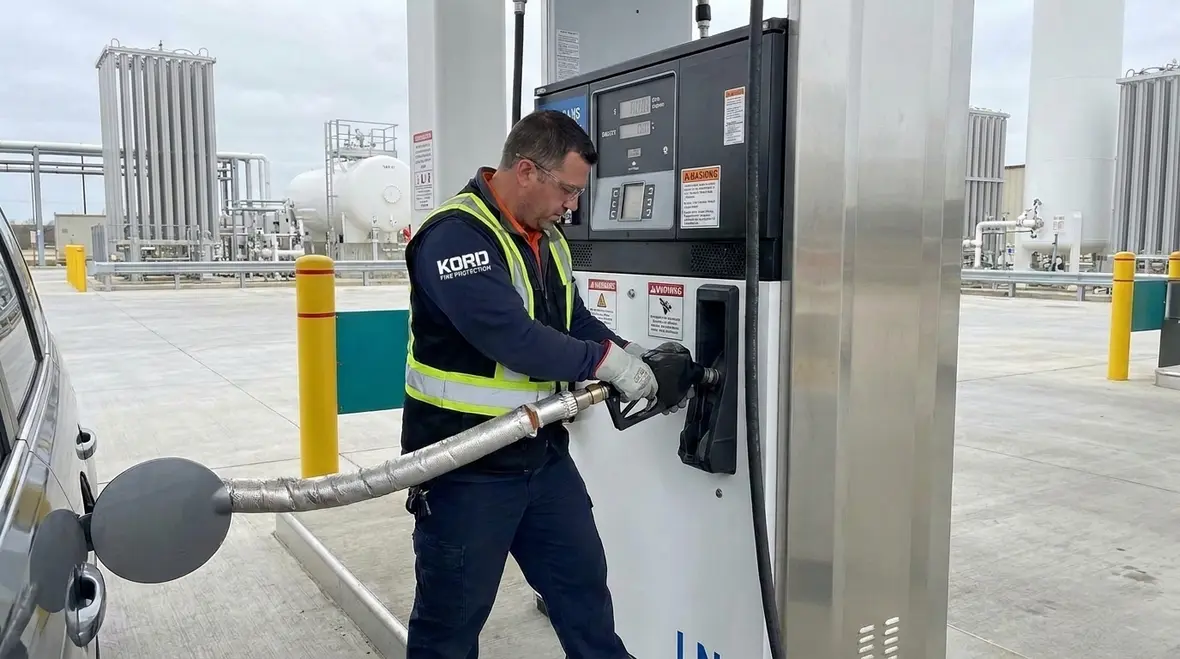
NFPA 52 Section 20.3 applies to LNG dispensing equipment used to transfer liquefied natural gas from site storage to end use or vehicle fueling. The practical scope typically includes the complete dispensing train, not just the nozzle. That train commonly consists of:
- Dispenser enclosure and mounting hardware
- Hoses, couplings, and connection interfaces
- Valves and regulators controlling flow and pressure
- Metering and instrumentation used to verify delivery conditions
- Pressure relief and protective devices that prevent unsafe overpressure scenarios
- Control systems that manage sequencing, alarms, and shutdown logic
- Emergency shutdown interfaces and safety interlocks
- Supporting electrical and bonding components required for safe operation
For commercial, industrial, and retail facilities, the most common compliance issue involves “system drift.” Equipment components can remain installed while performance characteristics change due to wear, fouling, or calibration drift. Section 20.3 expectations effectively push operators to treat dispensing equipment as an engineered safety system that must be continuously verified, not merely visually inspected.
Operational practices that maintain safe dispensing
Section 20.3 emphasizes practices that support safe transfer. That includes ensuring personnel operate the system as designed and respond correctly when conditions deviate from normal. The key themes typically include:
1) Pre use readiness and controlled starting conditions
Before dispensing begins, the facility should ensure the equipment is ready to operate. In real world fueling operations, readiness frequently depends on correct staging of valves, confirming that sensors and indicators reflect expected status, and ensuring that any planned maintenance or out of service tags remain enforced. Operators must not start dispensing when safety functions show faults or when instrumentation indicates abnormal conditions.
2) Safe connection and transfer behavior
LNG dispensing relies on precise coupling behavior. Practices must address proper hose management to prevent damage, correct connection procedures that avoid improper sealing, and disciplined control of transfer sequences. Many incidents begin with minor procedural deviations that allow leaks, improper coupling states, or unacceptable pressure conditions to persist longer than intended.
3) Abnormal condition response and emergency control
Section 20.3 aligned practices require that abnormal conditions trigger the correct response. That includes verifying that emergency shutdown functions work as intended and that alarms, interlocks, and shutdown logic produce consistent results. A critical point for compliance is evidence quality: operators need documented checks and clear criteria for when equipment is locked out until the fault is corrected and verified.
4) Maintenance discipline integrated with operations
Dispensing equipment must not drift into unsafe performance. Maintenance should include scheduled inspections, functional tests of protective devices, and calibration verification where applicable. Facilities must ensure that maintenance actions do not introduce new hazards, such as improper reconnection of components, incomplete restoration of safety interlocks, or bypassing alarms during troubleshooting.
Where this becomes measurable, Kord Fire Protection supports facilities with service planning, inspection documentation workflows, and testing coordination. That reduces the compliance gap between day to day operation and what inspectors expect to see during audits.
Inspection, testing, and maintenance points that commonly fail
Although each site configuration differs, certain failure modes appear repeatedly in commercial LNG fueling compliance reviews. These are the areas operators should treat as high priority under the NFPA 52 LNG dispensing equipment practice requirements framework.
Hoses, couplings, and leak tightness
Wear, mechanical damage, and seal degradation can reduce leak tightness. Facilities typically must keep coupling surfaces clean, ensure correct alignment during connection, and manage hose handling practices. If leak checks do not occur at the required frequency or are not documented, operational acceptance can become unreliable.
Valves, regulators, and functional flow control
Regulators and control valves can drift out of range. That affects delivery consistency and can impact protective device operation. Operators should verify valve response behavior and ensure that maintenance restores correct setpoints and intended operating states.
Emergency shutdown and interlock performance
Emergency shutdown systems and safety interlocks require functional verification. A common weakness involves relying on a visual indicator rather than confirming the actual shutdown behavior. The compliance value increases when testing includes repeatability and documented outcomes that match facility criteria.
Instrumentation, alarms, and calibration drift
Dispensing relies on instrumentation to determine safe operating conditions. Calibration drift can create misleading readings and delay corrective response. A robust maintenance program includes calibration control, verification testing, and clear procedures for taking equipment out of service when instrumentation faults occur.
Documentation and change control
Many “paper compliance” issues come from incomplete records: missing test results, no corrective action documentation, or weak linkage between inspection findings and follow up. Section 20.3 aligned compliance benefits from strong change control, including tracking modifications, component replacements, and configuration updates.
For risk managed compliance support, facilities often coordinate with Kord Fire Protection to build inspection and testing schedules that align to operational realities and reduce audit findings.
Commercial compliance strategy for retail, industrial, and fleet sites
NFPA 52 LNG dispensing equipment practice requirements apply across a wide spectrum of sites, but commercial constraints differ. Retail locations typically prioritize public safety continuity and rapid fault isolation. Industrial and fleet sites often manage higher fueling volumes and more frequent operational cycles. Regardless of setting, the most effective compliance programs include:
- Defined responsibility for pre use checks, fault response, and lockout procedures
- Training that ties equipment behavior to the required operating practices
- Maintenance that is scheduled and documented, with functional verification after work is complete
- Spare parts and repair lead time planning to avoid extended operation of compromised equipment
- Clear communications between dispensing operators and maintenance teams
- Audit ready records that show what was checked, when, by whom, and what corrective actions followed
If the facility already has a broader fire protection and life safety maintenance program, integrating LNG dispensing equipment checks into that same operational discipline reduces missed tasks and improves evidence quality. For related guidance on fire protection compliance processes, see Kord Fire Protection and discuss how ongoing testing and maintenance support aligns to commercial fueling risk.
Frequently Asked Questions
Conclusion and call to action
NFPA 52 Section 20.3 compliance is not a one time checklist. It requires disciplined operating practices, verified safety performance, and documented maintenance that prevents equipment drift. Facilities that treat LNG dispensing as a continuously monitored safety system reduce risk and audit exposure. Contact Kord Fire Protection to assess your current inspection and testing program, align it to dispensing equipment expectations, and build audit ready documentation that supports safe, ongoing operations.

Join Our Newsletter!
Get the latest fire safety tips delivered straight to your inbox From our Newsletter.