
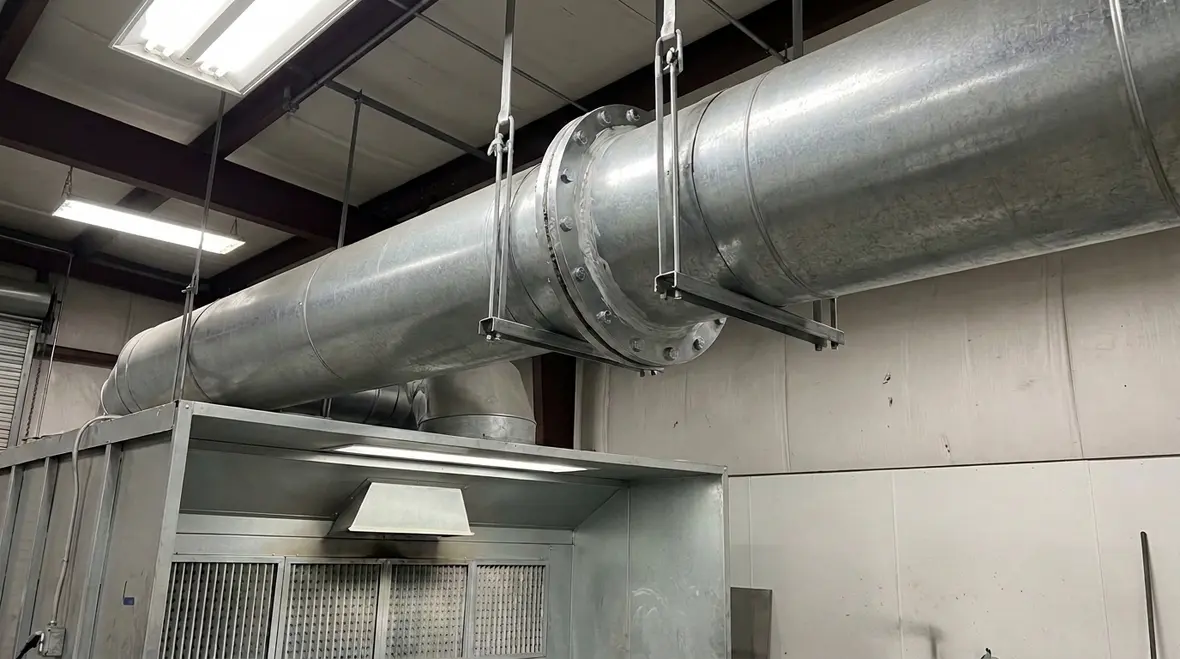
NFPA 33 Section 7.8: Materials of Construction for Exhaust Ducts
Quick Answer
NFPA 33 Section 7.8 specifies how exhaust ducts must be constructed to safely convey hazardous vapors and fumes from spray and related operations. The requirements focus on duct material compatibility, durability, construction methods, and installation details that reduce ignition and failure risks. Compliance depends on correct selection, sealing, and inspection.
Facilities working through spray operation compliance often also need to define where the standard applies across booths, exhaust paths, and related equipment. For a helpful related read, see NFPA 33 Section 1.1 Scope: What Spray Operations the Standard Covers.
Why NFPA 33 exhaust duct materials construction requirements matter in real facilities
Commercial, industrial, and retail environments that use spraying, finishing, or similar processes rely on exhaust duct systems to remove flammable and combustible contaminants. When duct construction fails, the exhaust system can become a source of ignition, an air leakage pathway that undermines control performance, or a maintenance burden that leads to bypassing. This is where NFPA 33 exhaust duct materials construction requirements become operationally critical.
In practice, many compliance findings do not involve exotic violations. They involve mismatched duct sections, incorrect fasteners, poor joint sealing, incompatible materials, corrosion, and inadequate inspection access. A compliant duct system should remain intact through normal duty, cleaning, and maintenance while maintaining safe conveyance of contaminated air.
What Section 7.8 typically governs: duct material selection and build integrity
NFPA 33 Section 7.8 addresses construction requirements for exhaust ducts used with processes that generate hazardous vapors or fumes. The core intent centers on ensuring the duct system does not contribute to fire spread, premature failure, or unsafe leakage.
From an engineering and inspection standpoint, Section 7.8 requirements typically translate into these practical compliance topics:
- Material compatibility with the specific contaminants and cleaning chemicals used at the facility.
- Mechanical integrity to resist deformation, fatigue, vibration, and impact from normal operation.
- Joint and seam construction designed to maintain safe duct containment and airflow performance.
- Resistance to corrosion and degradation caused by moisture, solvents, and process byproducts.
- Installation and support practices that prevent sagging, stress concentration, and strain at connections.
Facilities often discover that the “duct is duct” assumption breaks down when a system receives retrofit components from different vendors or when process chemistry changes and the original duct material becomes incompatible.
Common duct material failure points that trigger inspection issues
Even when an exhaust system appears to function, operational failure modes can undermine both safety and compliance. The most common problems associated with duct material and construction include the following.
1) Incompatible materials and liner degradation
Process vapors can attack duct materials, especially where solvents, acids, or high humidity are present. Degradation can weaken the duct wall, compromise joints, and create pinhole leaks. Over time, this can also change airflow behavior, which affects capture and treatment performance.
2) Poor joint construction and seam leakage
Sections connected with inadequate overlapping, improper fastener spacing, or insufficient sealing can leak contaminated air. Leaks can cause accumulation in unintended locations, increase exposure risks, and create ignition potential if vapors reach ignition sources.
3) Corrosion from condensation and cleaning cycles
Condensation can form in cool duct runs, especially when exhaust scheduling changes. Cleaning practices that use harsh chemicals can accelerate corrosion, particularly at joints and at areas with trapped residue.
4) Mechanical damage during maintenance
Replacing flex connections, servicing fans, or removing inspection panels often results in unintended damage. Bent liners, torn seals, or mismatched materials can turn a compliant system into a noncompliant one quickly.
5) Support and alignment problems
Sagging runs or misaligned sections increase stress at seams and connections. This drives fatigue failure, particularly in systems with vibration from fans or duct mounted equipment.
Operational controls: how compliant exhaust duct systems stay compliant
NFPA 33 duct requirements work only if the system remains intact and correctly operated. Compliance depends on procedures that manage change, maintain performance, and verify duct integrity over time.
Inspection routines that matter
Facilities should implement inspection checkpoints focused on the duct construction characteristics that most often fail:
- Review duct joints and seams at accessible locations for gaps, distortion, and seal condition.
- Check for corrosion indicators, pitting, and blistering on duct surfaces and at transitions.
- Verify duct alignment and support integrity to prevent sagging and stress at connections.
- Confirm inspection access panels close properly and maintain containment.
- Track changes in process chemistry, cleaners, or coatings that could affect material compatibility.
Change management for process and retrofit work
When operations switch coatings, solvent blends, or cleaning chemicals, the duct material may no longer match the hazard profile. Similarly, retrofits that replace duct sections without verifying construction equivalency can create compliance gaps. A documented change control process should evaluate material compatibility and construction equivalency before installation.
How maintenance practices impact compliance
Maintenance staff often focus on fan performance and filters, but construction integrity drives containment. If workers routinely loosen and retighten joints without restoring approved sealing methods, leaks can develop. Written procedures should specify the approved sealing approach, joint overlap requirements, and replacement criteria for degraded sections.
For commercial facilities seeking a dependable compliance partner, Kord Fire Protection supports ongoing duct system compliance through practical inspection support and coordinated fire protection services. To learn more about service capabilities, visit Kord Fire Protection.
Commissioning, documentation, and verification: what auditors expect to see
Auditors and AHJs typically want evidence that the exhaust duct system meets construction requirements and stays maintained. Strong documentation reduces downtime during plan review, inspection scheduling, and corrective actions.
Documentation that strengthens compliance
- As built duct material specifications and component listings for main runs and transitions.
- Installation details for joints, seams, fasteners, and sealing methods.
- Maintenance records showing corrective actions for leaks, corrosion, or damaged sections.
- Inspection logs that identify locations checked and findings addressed.
- Records of process or chemical changes that could affect material compatibility.
Verification approach that works on site
A field verification plan should include both visual and functional checks. Visual checks confirm construction condition and containment. Functional checks confirm that the exhaust system maintains intended capture and airflow trends, which reduces the likelihood of vapors reaching non intended locations.
Kord Fire Protection can assist facilities with service planning and compliance support to keep documentation current and ensure inspections reflect actual operating conditions. See Kord Fire Protection for commercial service options.
Frequently Asked Questions
Next step: secure compliance with ongoing duct integrity support
NFPA 33 duct construction compliance depends on the right materials, correct joint build methods, and disciplined inspection and maintenance. If your facility has changing processes, retrofit work, or recurring duct repairs, Kord Fire Protection can help you maintain documentation, identify construction risks, and plan practical compliance support. Contact Kord Fire Protection today to schedule a review of your exhaust duct system and inspection readiness.

Join Our Newsletter!
Get the latest fire safety tips delivered straight to your inbox From our Newsletter.



