NFPA 52 Section 20.1 Application: LNG Fueling Coverage
Quick Answer
NFPA 52 Section 20.1 defines how and where LNG fueling systems must be applied, including facility scope, system boundaries, and operational conditions that drive compliance. Understanding this “coverage” helps facilities design, inspect, and maintain LNG fueling safely and consistently with the standard.
Why NFPA 52 LNG fueling application coverage matters to commercial sites
Commercial fueling operations need clarity on what the standard covers because that determines the scope of design, permitting documentation, inspection points, and maintenance workflows. The phrase “NFPA 52 LNG fueling application coverage” often becomes a practical question during audits: which components fall under Section 20.1, which operating modes trigger requirements, and what physical areas must meet LNG safety expectations.
For industrial, commercial, and retail environments, the consequences of misinterpreting coverage show up fast. Gaps in hazard area definition, inadequate inspection of control and shutoff functions, or incomplete documentation of emergency response readiness can lead to delays, failed acceptance tests, or costly retrofits. A coverage driven compliance plan reduces those risks.
What Section 20.1 actually sets up: the “application” boundary
NFPA 52 Section 20.1 focuses on application, which means it establishes the framework for when the standard applies and how fueling related systems must be interpreted. In practice, this section ties requirements to the LNG fueling configuration, including the intended use and the operational conditions that define the fueling process.
Commercial facility teams typically need to answer these coverage boundary questions early:
- Does the fueling system fall within an LNG vehicle or equipment fueling context as defined by the standard, including transfer and dispensing interfaces?
- Which system components are treated as part of the fueling system boundary versus site utilities or downstream equipment?
- What operating states should be addressed in compliance documentation, commissioning procedures, and routine inspection plans?
- How do facility changes, such as adding lanes, upgrading pumps, or modifying controls, affect ongoing compliance coverage?
Fire protection and safety assurance depend on consistent system boundaries. If the boundaries drift, inspection and maintenance tasks can drift with them, creating unrecognized risk during normal operations and during abnormal events.
Operational procedures tied to coverage: protecting the fueling process
Section 20.1 application is not only a design concept. It influences the operational procedures facilities must adopt and document for day to day fueling. In LNG systems, safe operation relies on controlling cryogenic hazards, managing pressure and temperature excursions, and ensuring reliable shutoff and alarm performance when abnormal conditions occur.
For teams reviewing adjacent LNG compliance issues, NFPA 52 Section 16.5: Vehicle Requirements at LNG Fueling Sites is a useful companion read because vehicle interface controls directly affect how fueling coverage is applied in the field.
Key operational elements that drive real-world compliance
- Start up and shutdown sequencing: Facilities must verify that control logic and actuated valves operate as intended across the full range of operating modes.
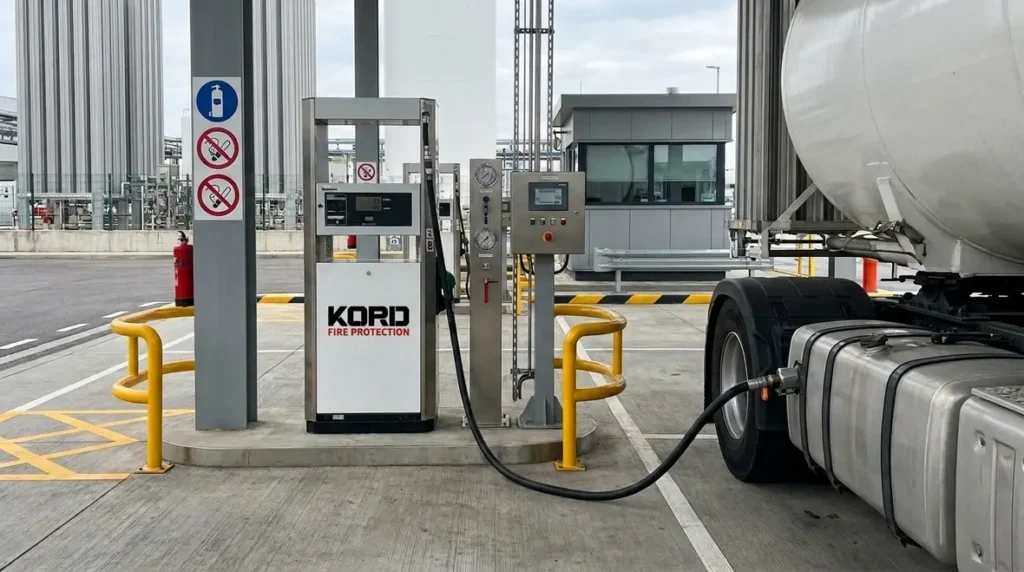
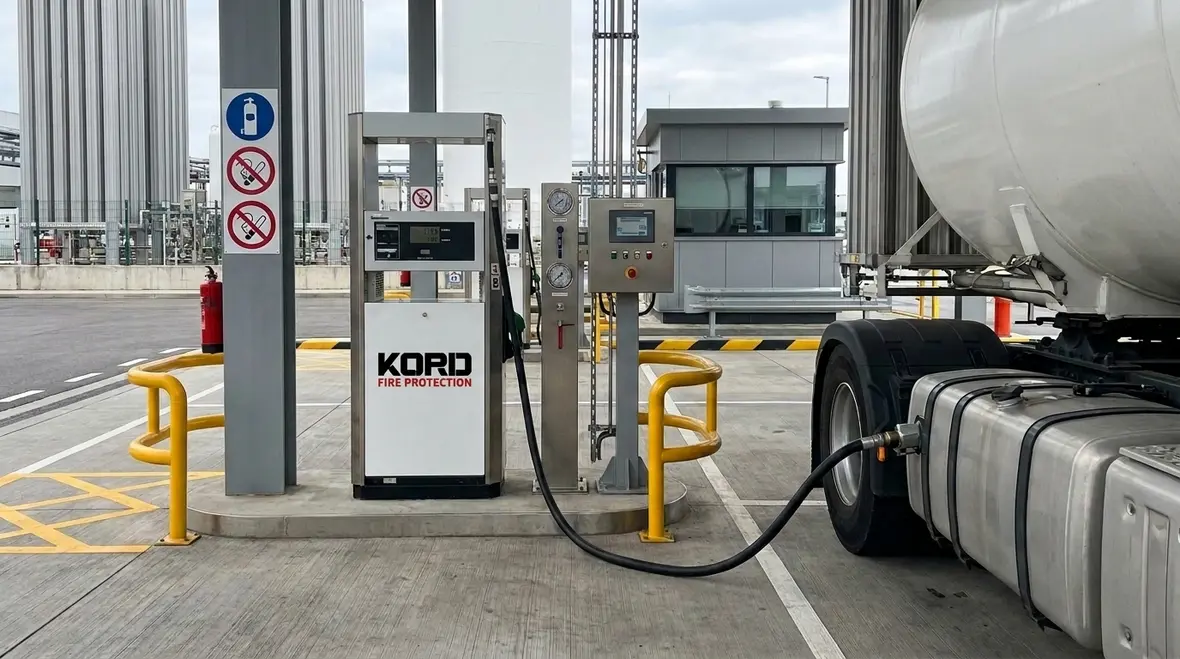
- Transfer and dispensing interfaces: Covering application correctly ensures that hoses, couplings, metering, and transfer paths are included in inspection planning and functional testing schedules.
- Monitoring and alarms: Coverage impacts how alarm thresholds, detection devices, and annunciation systems are tested and verified for correct response.
- Emergency response alignment: The fueling application boundary drives what responders expect to see, what systems must activate, and how emergency shutoff verification is performed.
A common failure pattern involves systems that “function” during initial acceptance but degrade in a way that is not tied back to application coverage. That can include sensor drift, slow valve actuation, incomplete drainage or purge logic, and nuisance alarms that operators bypass. Those issues become visible during maintenance inspections, not only during emergency events.
Inspection and maintenance under coverage: what gets missed
Commercial LNG fueling sites typically operate with tight schedules and multi discipline responsibilities. That makes coverage clarity essential for creating inspection and maintenance plans that survive real operational pressure.
Common inspection gaps linked to Section 20.1 application assumptions
- Boundary confusion: Components treated as “outside the fueling system” often still influence safety during fueling and abnormal conditions.
- Functional testing not aligned with operating states: Some systems get tested only under normal conditions, while the standard expects coverage that includes credible abnormal events.
- Documentation does not match equipment configuration: As built drawings, valve tags, alarm lists, and test records can lag behind field changes.
- Maintenance intervals not risk based: Critical components such as shutdown devices, protective interlocks, and detection systems may require more frequent verification than noncritical components.
To close these gaps, many facilities rely on structured compliance support that includes periodic verification, test witness support, and maintenance planning review. Kord Fire Protection supports commercial clients with practical, ongoing safety assurance activities aligned to NFPA expectations and real operational needs.
For additional context on LNG related safety risk planning and practical fire protection delivery, refer to Kord Fire Protection.
Commercial facility implementation: aligning fueling coverage with site standards
Meeting NFPA expectations depends on integrating Section 20.1 application into facility standards. Retail and commercial environments often require coordination among operations teams, maintenance contractors, electrical and controls support, and fire protection specialists.
If you want a broader grounding in terminology before refining procedures and scope documents, NFPA 52 Section 3.3: Key CNG, LNG, and LCNG Terms Defined helps align teams on the language that often drives inspection and audit interpretations.
Implementation checklist that supports NFPA 52 LNG fueling application coverage
- Define system boundaries: Identify which components are in scope for the fueling system, including transfer paths, control devices, detection, and protective shutdown elements.
- Map hazards to inspection points: Convert hazard scenarios into inspection and functional test steps that verify correct response.
- Standardize maintenance documentation: Ensure equipment tags, alarm lists, valve status indicators, and test records match current configurations.
- Maintain emergency readiness: Verify emergency shutdown pathways and communication flows as part of a recurring compliance routine.
- Control change management: Establish a documented review process for modifications that may alter coverage, system boundaries, or operating behavior.
Facilities that implement these steps typically reduce the time spent resolving audit questions and limit operational disruptions during retesting. They also improve first time pass rates during acceptance and follow up compliance checks.
Frequently Asked Questions
Conclusion and call to action
NFPA 52 Section 20.1 application becomes most valuable when it is translated into clear system boundaries, documented operating procedures, and inspection and maintenance tasks that verify correct performance across relevant operating states. Kord Fire Protection helps commercial LNG fueling operators strengthen NFPA aligned compliance through practical testing support, maintenance planning, and ongoing safety assurance. Contact Kord Fire Protection today to validate your current coverage interpretation and close inspection gaps before the next compliance milestone.

Join Our Newsletter!
Get the latest fire safety tips delivered straight to your inbox From our Newsletter.