NFPA 52 Section 16.7: Signage for LNG Fueling Sites
Quick Answer
NFPA 52 Section 16.7 requires LNG fueling sites to use clear, durable signage to communicate hazards, fueling procedures, and safety-critical information. This supports safe operations for employees, contractors, and emergency responders. Compliance depends on correct placement, legibility, maintenance, and field verification during inspections.
For related compliance planning, facilities can also review electrical area classifications for LNG sites and align signage decisions with how hazardous areas are identified in the field.
Why signage matters at an LNG fueling site
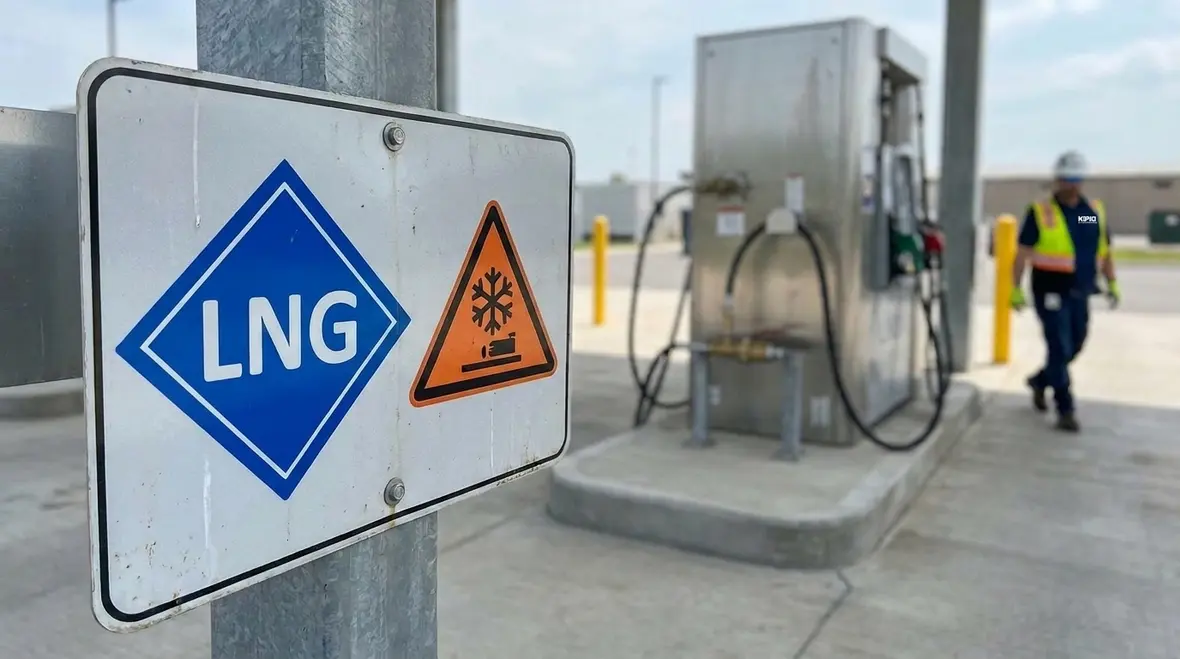
At an LNG fueling facility, signage functions as a last line of communication when training is absent, incomplete, or not applicable. NFPA 52 LNG site signage requirements are designed to reduce the risk of incorrect fueling actions, improper equipment operation, and unsafe site behavior around cryogenic hazards and flammable gas conditions. In practice, signage also standardizes how operations personnel, maintenance crews, and emergency responders interpret site conditions under time pressure.
Commercial facilities that dispense, manage, or service LNG commonly face operational turnover, contractor variability, and weather-driven wear on outdoor hardware. Those factors make signage a living compliance item rather than a one-time installation. A signage program that fails basic readability and placement checks is likely to fail during audits and operational reviews.
NFPA 52 Section 16.7: what the standard expects
NFPA 52 Section 16.7 focuses on signage that informs and directs people on and near LNG fueling equipment. For NFPA 52 LNG site signage requirements, the core expectation is that signage is visible, understandable, and consistent with site hazards and operating controls. The intent is not only to warn, but to guide behavior during normal fueling, abnormal conditions, and emergency response scenarios.
Operationally, the facility must ensure signage reflects the actual configuration of the fueling system, including access points, areas of restricted entry, and safety controls. Where signage is intended to support emergency operations, the placement should enable rapid identification without requiring personnel to search the site.
Where LNG site signage must be placed for real-world compliance
Even when correct wording is used, incorrect placement creates a high-likelihood failure point during inspections. For LNG fueling operations, signage typically needs to be located where people make decisions or approach hazardous equipment, such as near fueling interfaces, boundary areas, and equipment access routes. The safest practice is to align sign locations with walking paths and vehicle approach routes so that signage is readable before exposure to hazards.
Common placement challenges
Overlooked sight lines: Signs behind cones, temporary barriers, or parked equipment reduce visibility and can be interpreted as non compliant during walkdowns.
Mismatch to site layout: If equipment is relocated or a new island is added, existing signs may no longer correspond to the correct hazard zone or control.
Lighting and reflective performance: Poor lighting or low contrast at night causes unreadable or misleading information when it matters most.
Weather and corrosion: Outdoor signage can delaminate, fade, or crack, especially in freeze thaw climates and marine environments.
To meet NFPA 52 LNG site signage requirements in practical terms, sites should treat placement verification as part of routine inspections. Kord Fire Protection commonly supports facilities by auditing signage placement during operational readiness and coordinating updates after site modifications.
What signage must communicate: hazards, access control, and operating direction
Signage for LNG fueling sites must clearly communicate hazards and restrictions in a way that supports safe actions. In commercial settings, signage also acts as a standardized instruction set across employees, service vendors, and emergency responders.
Typical safety information categories
Cryogenic and flammable hazard communication: Signs should convey the nature of LNG hazards, including risks associated with cryogenic release and flammable gas conditions.
Restricted access and boundary areas: Signs should direct people away from dangerous zones and support controlled entry where required.
Fueling operation guidance: Where the standard expects it, signage should align with safe fueling practices, including instructions and prohibitions that reduce misuse.
Emergency response cues: Emergency information should be easy to find and consistent with the site’s emergency plan.
A recurring failure point is outdated signage after procedure changes. Facilities often revise operating procedures, update lockout points, or adjust fueling interface controls, but they do not update sign content. That gap increases risk and can create inconsistency during compliance reviews.
Design, legibility, and durability: inspection-ready signage
NFPA 52 LNG site signage requirements rely on the usability of the information, not only the presence of signs. During inspections, inspectors typically assess whether signage is legible, properly mounted, and clearly visible from expected approaches. Durability also matters because LNG facilities operate in harsh environmental conditions and require ongoing reliability.
Commercial signage failure points
Fading and print loss: UV exposure and weather cycles reduce contrast and make critical text unreadable.
Physical damage: Impacts from vehicles, snow removal equipment, or maintenance activities can warp signs or obscure information.
Incorrect mounting height: Signs mounted too low can be blocked by equipment or pooled debris; signs mounted too high may reduce legibility from normal approach angles.
Improper reflective media: Nighttime readability can fail if reflective performance degrades or if the finish does not match the lighting conditions.
Nonconforming replacement practices: Replacing damaged signs with different fonts, colors, or layouts can create inconsistency with site expectations.
Kord Fire Protection helps facilities prevent these failure modes by integrating signage checks into maintenance workflows and supporting field verification. For broader context on LNG system safety integration, facilities may also reference guidance resources such as Kord Fire Protection services to support ongoing compliance and inspection readiness.
How to build a signage compliance and maintenance program
Compliance is sustained through operational discipline. A signage program should include inspection triggers, documentation, and corrective action processes. This matters for retail, industrial, and commercial fueling operations where schedule changes, seasonal conditions, and construction activities can affect visibility and accuracy.
Recommended compliance workflow
Baseline sign inventory: Document sign location, content, mounting conditions, and photo evidence for each island, boundary, and access route.
Risk-based review: Confirm each sign category aligns with current hazards, access rules, and operating procedures.
Legibility criteria: Define what “readable” means under day and night conditions, including distance and line of sight requirements used on site.
Inspection cadence: Establish routine checks and after-change verification when equipment layouts or procedures change.
Corrective action tracking: Use a defined timeline to repair or replace signs that show fading, damage, or content mismatch.
Emergency readiness integration: Verify that signage supports the emergency response plan and can be identified quickly during drills.
During audits, facilities that can demonstrate a repeatable signage maintenance process typically reduce friction and avoid costly last-minute fixes. Kord Fire Protection can support ongoing compliance by performing field checks and helping facilities maintain signage readiness as part of their broader fire protection and safety program.
Frequently Asked Questions
Conclusion and next steps
NFPA 52 Section 16.7 signage for LNG fueling sites protects people by communicating hazards and safe actions clearly. To avoid inspection findings, facilities should verify sign placement, confirm wording matches current procedures, and maintain legibility through a documented maintenance program. Schedule a signage compliance review with Kord Fire Protection to validate your field conditions, correct deficiencies promptly, and keep your site inspection ready year-round.
If you are working through related LNG code topics, Kord Fire Protection also has a helpful resource on LNG supplemental siting and construction requirements that fits naturally with signage, layout, and inspection-readiness planning.

Join Our Newsletter!
Get the latest fire safety tips delivered straight to your inbox From our Newsletter.