
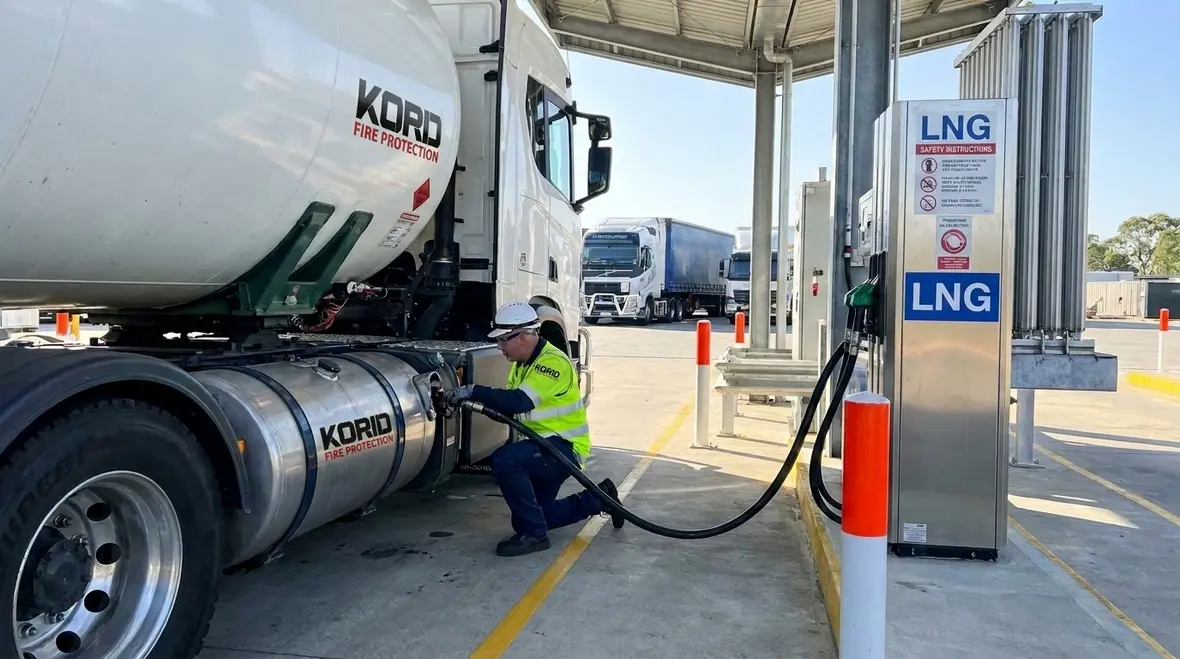
NFPA 52 Section 16.5: Vehicle Requirements at LNG Fueling Sites
Quick Answer
NFPA 52 Section 16.5 sets vehicle and operational expectations for LNG fueling sites to reduce ignition risk, limit hazardous releases, and ensure equipment reliability. The rules focus on compatibility, safe staging, access control, and maintenance conditions that support continued safe operation.
If you are reviewing broader fire protection services for Southern California facilities, it helps to align LNG fueling vehicle controls with the rest of the site’s inspection, maintenance, and code compliance workflow.
Why NFPA 52 LNG site vehicle requirements matter on day one
Commercial LNG fueling facilities depend on predictable, disciplined vehicle operations. NFPA 52 LNG site vehicle requirements support that predictability by addressing how LNG vehicles and related transport equipment are handled, staged, and maintained so that the site remains under control during fueling, transfer, and routine movements.
From a compliance standpoint, the practical challenges typically appear where operational intent meets real site conditions: turnaround times, driver training variability, equipment substitutions, and maintenance backlogs that allow degraded components to go unnoticed. Strong procedures and verified inspection routines help prevent those gaps from becoming enforcement findings.
What NFPA 52 Section 16.5 expects from site vehicle operations
Section 16.5 focuses on the vehicle side of LNG fueling. That means the rules do not only govern what happens at the dispenser or fueling connection, but also how vehicles are controlled once they enter the fueling footprint. Facilities typically must ensure that only acceptable vehicles and configurations operate at the site, and that vehicle condition does not undermine safe fueling.
Control of vehicle condition and readiness
A recurring compliance failure point is the mismatch between “paper compliance” and actual vehicle readiness. NFPA 52 requirements tie safe operation to equipment integrity. Site operators generally need documented evidence that vehicle systems affecting release potential, venting behavior, and protective devices meet acceptance criteria before fueling begins.
Practically, this includes confirming that the vehicle’s LNG containment and related transfer interfaces do not show damage, missing components, or degradation that could compromise safe coupling and controlled transfer.
Compatibility with fueling interface and transfer procedures
Vehicle interface compatibility drives safe connection, controlled flow initiation, and safe emergency response. If a fueling setup relies on specific connectors, seals, or control sequences, the facility must ensure the arriving vehicle can correctly mate and perform those steps without improvisation.
Commercial sites often standardize driver checklists and connection verification steps to prevent connector mismatch, incorrect hose routing, or improper coupling that increases the likelihood of leaks or unintended venting.
How to implement vehicle controls without slowing commercial throughput
Many retail and industrial LNG sites face pressure to maintain predictable service times. Vehicle controls, however, cannot be reduced to “drive in and start.” To balance throughput with NFPA expectations, operators typically implement layered checks that occur before the vehicle reaches the critical fueling area.
Pre arrival verification and access management
Schedule controlled deliveries and fueling windows to reduce queue pressure that leads to rushed connections.
Confirm vehicle eligibility based on documented authorization and applicable configuration requirements.
Define staging positions that maintain separation distances and keep ignition sources controlled.
On site acceptance checks before coupling
Facilities typically establish a “no fueling until verified” workflow. That workflow commonly includes visible inspection points and procedural confirmations that validate safe starting conditions, such as:
Visual inspection of hoses, fittings, and accessible safety components for obvious defects.
Verification of transfer readiness in accordance with the fueling procedure.
Confirmation of correct environmental conditions that can affect safe operation, including signage compliance and site control readiness.
These checks reduce common failure modes such as delayed recognition of damaged couplings, incorrect routing that creates strain, and missed confirmation of required protective steps.
Operational mechanisms: where vehicle requirements fail in the field
Even well designed facilities can experience incidents if operational mechanisms degrade over time. Vehicle related failure points usually fall into a few predictable categories that facility teams can audit and correct early.
Coupling and sealing problems that lead to releases
The fueling connection depends on correct alignment, seal condition, and controlled start sequences. When a vehicle’s interface components are worn or contaminated, the coupling can fail to establish a tight interface. That condition can cause localized leaks, venting, and cascading downtime while the site responds.
Improper staging that increases risk during fueling
Staging practices influence how quickly emergency actions can occur and how reliably ignition sources are controlled. Vehicles that reposition too close to fueling equipment or that block egress routes tend to increase operational complexity and can delay response.
Maintenance gaps and undocumented component changes
Vehicle maintenance often runs on different schedules than site maintenance. Without coordinated tracking, the facility may lose visibility into component substitutions or wear patterns. That loss of visibility becomes a compliance risk under NFPA 52 LNG site vehicle requirements because operational safety depends on equipment integrity at the time of fueling.
Inspection, testing, and maintenance that support compliance
Vehicle compliance requires ongoing verification, not a one time qualification. Facilities should align vehicle related acceptance checks with established inspection frequencies and document the results clearly. Kord Fire Protection typically supports commercial operators with the documentation and field readiness needed to sustain safe operations and pass audits.
Documented inspection routines
Effective inspection programs define who checks the vehicle, what gets checked, and what “out of service” means. They also define acceptance criteria so that decisions remain consistent across drivers and shifts.
Training and procedural discipline for crews and contractors
Crews must understand that vehicle handling affects hazard outcomes. Training should cover vehicle staging, connection verification, and emergency response coordination, and it should include refresher schedules that match turnover and operational risk.
Coordinate with facility fire protection and emergency systems
Vehicle requirements cannot be managed in isolation. Site emergency preparedness depends on how vehicles are controlled near detection, shutdown capability, and firefighting access. Integrating vehicle procedures with the site’s broader fire protection plan reduces gaps during abnormal events.
For related compliance support, Kord Fire Protection can help review readiness, documentation, and maintenance workflows used to support safe LNG site operations. Explore additional resources here: NFPA codes and guidelines solutions for fire protection and life safety.
Common compliance questions commercial facilities ask
Facilities often ask how strictly they must police vehicle condition, how much discretion drivers have, and how inspections should be recorded. The answers below support prompt, defensible implementation.
Frequently Asked Questions
Conclusion and next step
NFPA 52 LNG site vehicle requirements demand disciplined vehicle acceptance, staging control, and evidence based inspection practices. Kord Fire Protection can help commercial LNG operators strengthen readiness by aligning procedures, documentation, and maintenance workflows with real site operating conditions. Start with a targeted gap review of vehicle related controls and inspection records, then implement repeatable checks that crews can follow consistently across shifts and contractors.

Join Our Newsletter!
Get the latest fire safety tips delivered straight to your inbox From our Newsletter.


