
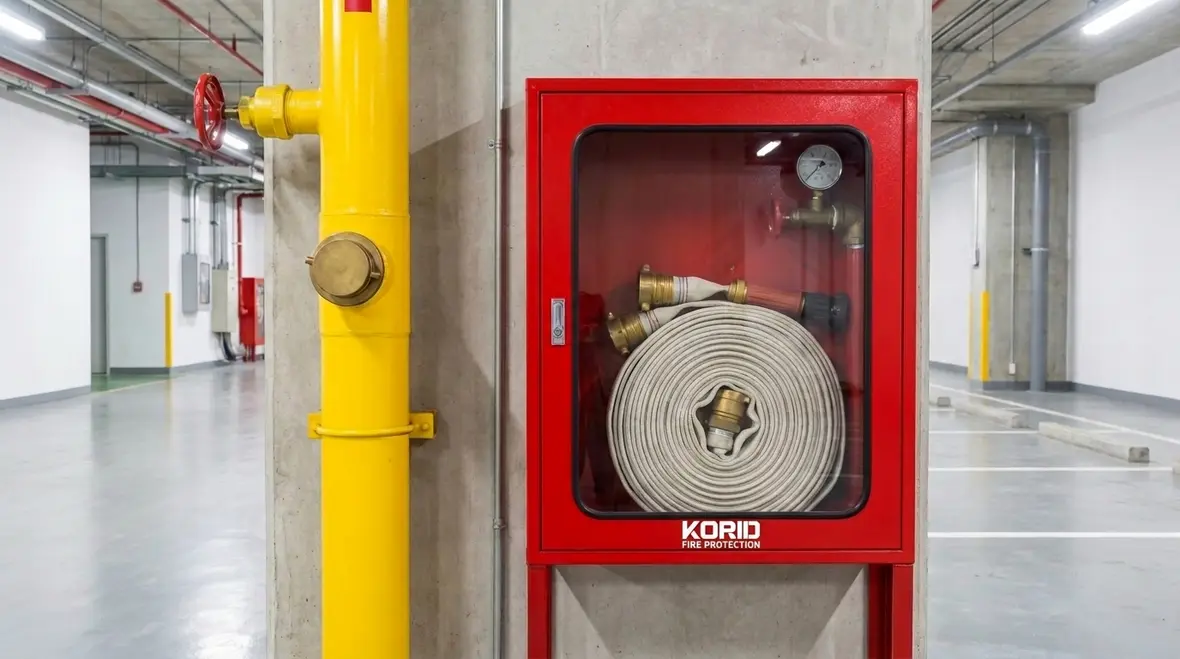
NFPA 35 Section 11.6: Standpipe and Hose Systems
Quick Answer: NFPA 35 Section 11.6 sets detailed requirements for standpipe and hose systems used in facilities covered by NFPA 35. The rules address system design, hose and nozzle performance, connection compatibility, placement, and inspection and maintenance needed to keep systems ready for emergency use.
For facilities that need a practical reference point near the top, Kord Fire Protection’s standpipe system installation rules overview is a useful companion because it connects code intent with real inspection, maintenance, and upgrade decisions.
Why NFPA 35 standpipe hose system requirements matter in process and specialty occupancies
NFPA 35 standpipe hose system requirements exist to ensure a reliable water delivery capability for scenarios involving chemicals, process hazards, or specialized storage and operations. In commercial, industrial, and retail facilities that fall under NFPA 35 coverage, the standpipe and hose system becomes part of the incident response chain for trained responders. If components are mismatched, improperly maintained, or out of service, the system may fail to deliver water at the expected flow and pressure, or it may create unsafe friction points during emergency deployment.
In practical terms, compliance issues often surface during commissioning, annual inspections, hydrant or standpipe flow testing, hose inventory reviews, and in-house maintenance audits. Kord Fire Protection supports facilities by aligning documentation, inspection procedures, and component maintenance with the expectations auditors and inspectors typically enforce.
What Section 11.6 expects: system readiness, compatibility, and performance
NFPA 35 Section 11.6 addresses standpipe and hose systems as installed fire protection equipment that must remain dependable over time. While the exact layout and component configuration depend on the facility design and risk profile, the section centers on the same core operational outcomes:
- Immediate access to usable hoses connected to the standpipe system or staged with defined connection points.
- Correct hose characteristics, including length, handling practicality, and suitability for the connection type.
- Compatible couplings and nozzles that allow responders to connect, advance, and operate equipment without delay.
- Maintained system pressure and flow capability consistent with the design intent and tested conditions.
- Ongoing inspection and maintenance so hoses do not degrade, fittings do not seize, and valves function when needed.
Commercial facilities often assume that meeting the standpipe installation baseline equals compliance. In reality, systems frequently drift out of readiness due to hose wear, missing inventory, damaged couplings, valve tampering, or corrosion inside hose valves and cabinet hardware.
Design and installation details that commonly drive compliance outcomes
NFPA 35 standpipe hose system requirements typically tie into how the system is physically configured. Facilities should verify installation specifics with their fire protection engineer and contractor during closeout, and then again during recurring inspections.
Standpipe outlets, valves, and routing
Outlets must be positioned to support practical attack paths for the hazard areas. Valves and cabinet hardware must remain operable. Common failure points include clogged outlet screens, seized valve stems, missing protective caps, or cabinet doors that do not latch properly due to misalignment or storage obstructions.
Hose and nozzle matching for fast deployment
Hose systems fail in emergencies more often from mismatch and handling problems than from total absence. Facilities should confirm that each hose assembly includes the correct coupling and nozzle pairing for the standpipe outlet type and that hoses are not substituted with incompatible sizes during maintenance.
- Verify coupling type and thread profile against the outlet design.
- Confirm nozzle selection aligns with the intended operating method.
- Maintain hose labels and identification so responders can quickly select correct equipment.
Cabinet integrity and accessibility
Hoses are only effective when they are reachable under emergency conditions. Cabinets must stay unobstructed, doors must open fully, and equipment must remain dry and protected from chemical exposure where applicable. In many commercial process and specialty occupancies, leaks from adjacent utilities or chemical storage areas can degrade hose jacket materials and internal liners over time.
Inspection, testing, and maintenance: the part that keeps systems compliant
Section 11.6 compliance depends on inspection and maintenance actions that verify the system remains operational after installation. Many facilities complete the initial acceptance test and then lose control of the hose inventory and valve condition during routine operations, tenant changes, or maintenance contractor transitions.
Where standpipe performance ties into broader water delivery confidence, Kord Fire Protection’s fire pump testing requirements guide is a natural follow-up because flow and pressure verification rarely enjoy being treated like optional paperwork with a wrench nearby.
Routine inspections and documented condition checks
Inspections should include physical verification of:
- Hose condition, including abrasion, cracking, discoloration, and signs of moisture damage.
- Couplings and nozzle condition, including corrosion, damage, and thread integrity.
- Cabinet and labeling condition, including missing components or blocked access.
- Valve position and mechanical operability, including any evidence of tampering.
Flow and pressure verification to confirm delivery capability
Standpipe performance must match system design intent. Even if hoses look serviceable, a standpipe system with inadequate flow or pressure may not support effective response. Facilities should align testing schedules and methods with local requirements and the project’s engineered design. Where applicable, periodic flow testing helps validate that system hydraulics remain within acceptable parameters.
Preventing common failure points
Experience shows repeat offenders in standpipe hose systems. Facilities should treat these as controlled hazards within the maintenance plan:
- Improper hose storage that leads to kinks, internal liner degradation, or damaged couplings.
- Unauthorized substitutions during repairs or renovations that break compatibility.
- Valve impairment caused by corrosion, debris, or lack of periodic mechanical checks.
- Inadequate inventory control, including missing hoses, missing nozzles, or mismatched lengths.
For commercial owners and facility managers, Kord Fire Protection helps build repeatable inspection and maintenance workflows, including documentation packages that support internal compliance reviews and external audits. This reduces operational downtime and limits emergency readiness risk caused by deferred corrective actions.
How to manage compliance across tenants, renovations, and operational changes
Standpipe hose systems often sit in shared corridors or service areas, which increases the likelihood of accessibility issues after tenant buildouts or storage changes. The strongest compliance programs include administrative controls in addition to technical maintenance.
Control points during renovations and tenant turnover
- Require a standpipe and hose system review during preconstruction planning and closeout.
- Update hose inventory lists and device tagging after any component changes.
- Reconfirm cabinet accessibility and verify that no stored materials obstruct access.
Document control and asset traceability
Maintain an asset register for hoses, nozzles, valves, and cabinets. Tie inspection findings to specific locations. When Kord Fire Protection performs service, the documentation supports traceability and helps align field findings to the applicable standard expectations.
For additional guidance on commercial inspection and maintenance program structure, refer to Kord Fire Protection’s resources here: Kord Fire Protection.
Frequently Asked Questions
Next step: schedule a standpipe and hose system compliance check
Facilities that want confidence in NFPA 35 standpipe hose system requirements should schedule a compliance-focused inspection that includes hose condition verification, coupling and nozzle matching, cabinet accessibility review, valve operability checks, and performance testing planning where applicable. Contact Kord Fire Protection to establish a service schedule and documentation package that supports audits and improves emergency readiness.

Join Our Newsletter!
Get the latest fire safety tips delivered straight to your inbox From our Newsletter.



