NFPA 52 Section 16.10: Unloading LNG From Cargo Transport
Quick Answer
NFPA 52 Section 16.10 governs how facilities unload LNG from cargo transport to prevent releases, ignition sources, and unsafe operating conditions. The requirements focus on safe connection practices, vapor control, equipment integrity, emergency preparedness, and inspection and maintenance to sustain compliant performance throughout transfer operations.
If you’re reviewing unloading procedures as part of a broader compliance program, it helps to tie them into your fire protection inspection and maintenance support so transfer safety controls and documentation stay aligned across the site.
Why NFPA 52 LNG cargo transport unloading requirements matter in real operations
Unloading LNG introduces concentrated hazards during a short, high activity window. NFPA 52 LNG cargo transport unloading requirements address the systems and procedures needed to control hazards such as LNG leak escalation, static discharge risks, improper couplings, overpressure events, and ignition control failures. For commercial, industrial, and retail facilities that receive LNG, compliance becomes an ongoing operational discipline, not a one-time commissioning task.
Section 16.10 aligns safety controls with practical transfer realities: frequent equipment handling, shift changes, weather exposure, and maintenance deferrals that can quietly degrade performance. Facilities that treat these steps as repeatable engineering controls typically maintain compliance more reliably during audits, joint exercises, and incident investigations.
Scope of Section 16.10 and where unloading controls begin
NFPA 52 Section 16.10 applies to unloading operations from LNG cargo transport to the receiving system. In practice, compliance planning should treat the unloading process as a connected chain of control points, beginning before the vehicle is positioned and continuing through post transfer securing and verification.
Key operational boundaries facilities should define
- Transfer staging: vehicle approach, secure positioning, exclusion zones, and verification that the receiving area matches the planned unloading configuration.
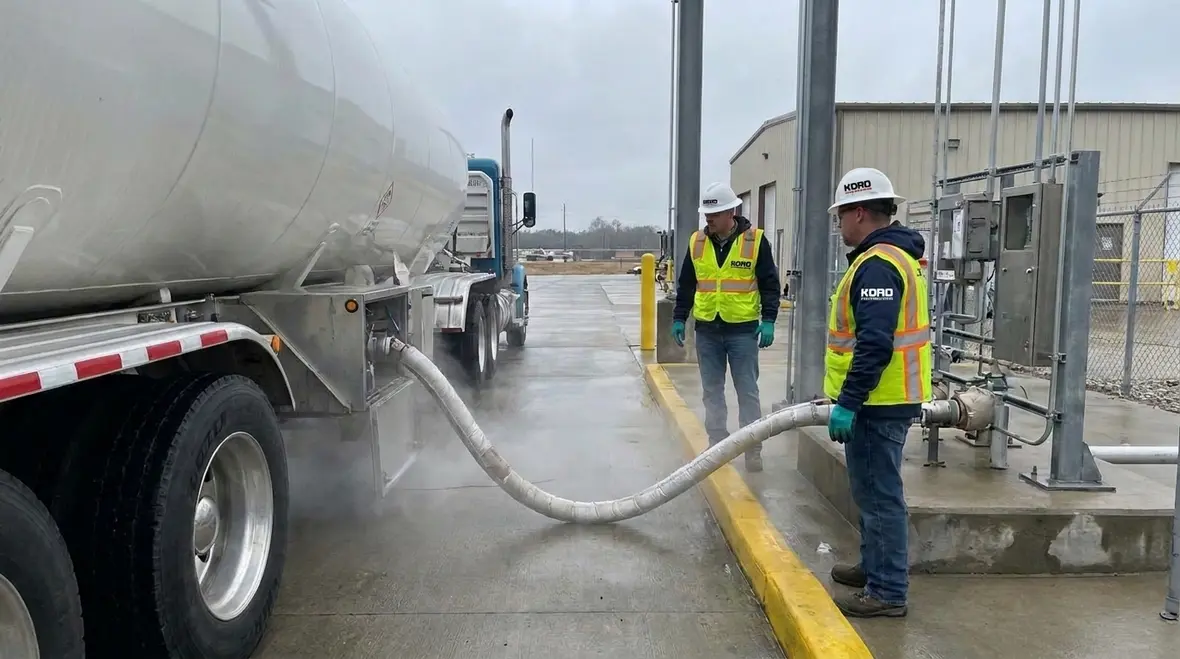
- Connection and disconnection: approved coupling methods, correct hose or loading arm states, and prevention of uncontrolled releases during make up and break out.
- Transfer control: pump or flow regulation, pressure monitoring, temperature monitoring, and response logic when parameters deviate.
- Post transfer securing: depressurization steps, draining or purging where applicable, and confirmation that residual hazards remain controlled.
Because these boundaries are operationally enforced, facilities should document them in a procedure set that matches equipment configuration, staffing roles, and emergency contact pathways. Kord Fire Protection supports facilities by aligning inspection, testing, and maintenance schedules with real transfer workflows, reducing the risk of compliance gaps during handoffs and seasonal operations.
Unloading system readiness: what must be verified before transfer
Before unloading begins, facilities should ensure the unloading system is ready to control flow, contain leaks, and maintain safe states. Section 16.10 expectations commonly translate into a pre transfer verification regime that includes equipment condition, mechanical integrity, and operational readiness checks.
Common readiness checks that prevent failures
- Hoses, couplings, and seals: confirm compatibility, correct mating geometry, and absence of damage or abnormal wear that could create leak paths.
- Vapor and pressure controls: verify that vapor handling arrangements are functional and configured for the intended transfer mode.
- Emergency shutdown and stopping capability: ensure that shutdown methods are accessible, understood, and capable of moving the system to a safe condition.
- Area controls: confirm that ignition source controls and exclusion zones remain enforced during the entire unloading window.
- Instrumentation availability: confirm that sensors and indicators needed for safe operation are in service and not out of calibration beyond acceptable limits.
Facilities often discover deferred maintenance in this phase. For example, insulation damage around transfer components can change heat leak behavior and affect pressure and temperature profiles. Regular inspections and documented maintenance help prevent these “silent” degradations from turning into transfer interruptions or noncompliant conditions.
Connection procedures and leak control during make up
Connection and coupling are high risk because they involve physical interaction with cryogenic components and pressurized transfer paths. Section 16.10 drives facilities toward controlled connection steps that minimize release potential and prevent unsafe operating states.
Controls that reduce connection hazards
- Controlled engagement: follow approved coupling sequence to avoid uncontrolled venting or improper seal engagement.
- Static discharge and grounding: implement grounding practices suitable for the setup and equipment used, consistent with site procedures and equipment manufacturer guidance.
- Vapor management alignment: confirm that vapor handling remains effective during and immediately after connection operations.
- Mechanical verification: confirm secure connection confirmation signals, indicators, or verified physical checks per procedure.
Because unloading operations change with vessel types, hose lengths, and receiving hardware, many noncompliant outcomes trace back to mismatched procedure to actual configuration. A practical compliance approach includes configuration checklists linked to the equipment list used during the shift, along with periodic refresher training and procedure updates after equipment changes.
Operating during transfer: monitoring, limits, and emergency response readiness
During unloading, the operational goal is to maintain safe parameters and prevent conditions that lead to leaks, overpressure, or ignition exposure. Section 16.10 focuses on maintaining controlled transfer and ensuring that emergency response mechanisms function as intended.
Operational monitoring that supports compliance
- Flow and pressure regulation: maintain transfer parameters within approved limits and adjust promptly when readings drift.
- Temperature trends: monitor for deviations that may indicate loss of control, insulation degradation, or unexpected heat transfer behavior.
- Vapor control system performance: verify that vapor handling maintains the designed behavior throughout steady state and during transitions.
- Communication discipline: maintain clear role based communication between transfer personnel and emergency leadership.
Commercial and industrial facilities often face compliance risk when staffing changes mid shift or when multiple contractors coordinate the transfer. A robust compliance program uses a pre transfer briefing, a defined chain of command, and a documented stop work trigger list. Kord Fire Protection can help facilities maintain the inspection and test readiness of key safety components that influence emergency outcomes, so the plan remains executable during real unloading events.
Post transfer securing, inspection, and maintenance that keep the next unload compliant
After transfer ends, facilities need to bring the system to a safe state and verify that residual hazards remain controlled. Section 16.10 expectations typically lead to procedures for depressurizing, draining or purging where applicable, disconnecting safely, and confirming the integrity and condition of components for the next operation.
What facilities should build into post transfer steps
- Safe depressurization and securing: prevent trapped pressure or unintended releases.
- Removal of residual cryogenic risks: handle remaining LNG or vapor hazards using approved steps.
- Equipment condition checks: inspect couplings, hoses, and connected hardware for signs of damage, leakage, or abnormal wear.
- Documentation: record readings, connection/disconnection timing, any alarms, and corrective actions taken.
Maintenance planning should treat unloading equipment as safety critical. Hoses and seals can degrade with repeated cryogenic cycling and external impacts. Establish a preventive maintenance plan that includes periodic inspection intervals and acceptance criteria aligned with your equipment manufacturers and operating history.
For broader context on fire protection program structure, consider reviewing NFPA 52 Section 16.8 emergency response measures for LNG sites. Facilities often benefit from aligning unloading transfer controls with their overall fire safety and emergency readiness program, including inspection documentation, impairment management, and test scheduling.
Frequently Asked Questions
Call to action
Ensure your LNG unloading program stays audit ready by aligning unloading procedures with equipment condition, inspection schedules, and emergency readiness. Kord Fire Protection helps commercial and industrial facilities maintain compliance through ongoing inspection, testing, and maintenance support. Contact Kord Fire Protection today to review your current unloading safety practices and build a practical compliance roadmap for NFPA 52 LNG cargo transport unloading requirements.

Join Our Newsletter!
Get the latest fire safety tips delivered straight to your inbox From our Newsletter.