
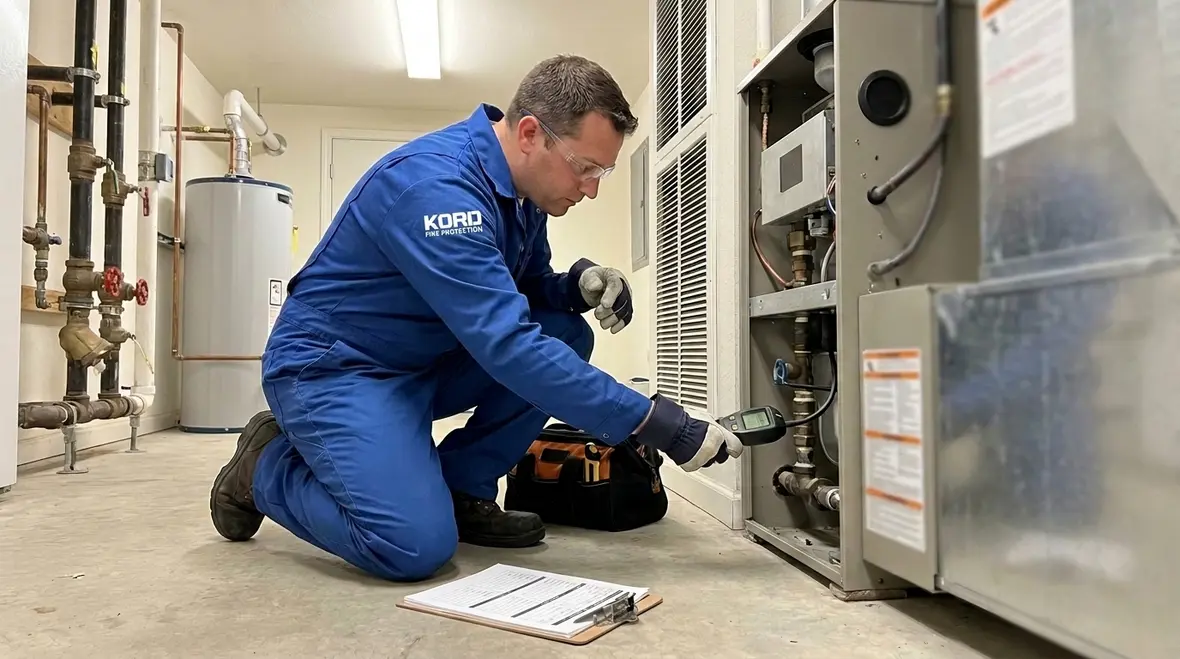
NFPA 52 Section 13.11: Maintenance and Inspection of Residential CNG Appliances
Quick Answer
NFPA 52 Section 13.11 sets practical requirements for maintaining and inspecting residential CNG appliances to keep systems safe, leak-free, and properly adjusted. Owners and qualified technicians must follow inspection intervals, verify component condition, and document corrective actions to sustain compliance.
For organizations managing broader CNG safety programs, it also helps to align this work with a documented operations and maintenance program for CNG facilities so inspections, corrective actions, and technician responsibilities stay consistent across the compliance chain.
What does NFPA 52 Section 13.11 require for residential CNG appliances?
NFPA 52 residential CNG maintenance inspection requirements focus on sustaining appliance performance and preventing unsafe conditions such as gas leaks, regulator malfunction, improper burner operation, or deteriorated fittings. Section 13.11 frames inspection and maintenance as an ongoing program rather than a one time check. It also emphasizes that inspections must be performed by competent personnel using appropriate methods and that any defects must be corrected before the appliance remains in service.
For commercial and industrial operations that touch residential appliance work indirectly, such as facilities managing appliance service contractors, delivery networks, or retail CNG operations with overlap in safety culture, the same operational discipline applies. Kord Fire Protection supports organizations by aligning inspection practices, documentation controls, and technician training expectations with the intent of NFPA 52.
Where Section 13.11 fits into the CNG safety lifecycle
Section 13.11 does not exist in isolation. It sits within a larger safety lifecycle that typically includes design and installation requirements, hazard identification, commissioning, and then recurring maintenance. In real field conditions, most failures that lead to emergency response events come from deterioration and drift over time. Common triggers include:
- Vibration related loosening of fittings and connectors
- Seal aging, permeation, or mechanical damage to flexible connections
- Regulator performance drift due to contamination or wear
- Blockages or irregular combustion behavior caused by dust, debris, or spider webs in venting areas
- Improper restoration after prior service work
Maintenance and inspection programs must therefore verify both integrity and functional performance. A leak test alone does not always confirm safe operation, and functional checks alone do not replace gas tightness verification.
Operational inspection approach: what technicians verify
NFPA 52 residential CNG maintenance inspection requirements call for structured inspection practices. While exact steps can vary by appliance type, safe field execution generally follows a consistent order. Technicians typically:
1) Confirm safe condition and gas control before inspection
- Verify appliance shutdown and confirm gas supply control actions
- Prevent unintended release during component removal or adjustment
- Use calibrated instruments for leak detection
- Ensure the work area supports safe venting and ignition control
2) Inspect physical integrity of components and connections
- Examine hoses, tubing, and mechanical connectors for cracking, abrasion, and deformation
- Inspect protective components such as guards and routing clearances
- Check valve condition, hand wheel operation, and stem integrity
- Verify that mounting, supports, and strain relief remain intact
3) Verify gas tightness using accepted leak detection methods
Leak detection must be capable of identifying hazardous release conditions. Technicians should inspect typical leak points such as:
- Threaded joints and adapters
- Seals and O rings in appliance connections
- Regulator inlet and outlet interfaces
- Shutoff valve seals and connection interfaces
4) Validate regulator and control operation
- Confirm regulator stability and correct pressure behavior under typical demand
- Check for signs of contamination or wear
- Ensure controls respond correctly to operating conditions
5) Confirm combustion and venting characteristics where applicable
For appliances that rely on proper combustion and venting, the inspection process should include checks for abnormal flame behavior and venting configuration. Any evidence of improper combustion, blocked pathways, or deterioration must drive corrective action before returning the appliance to service.
Maintenance practices that prevent recurring failures
Inspections find problems. Maintenance prevents problems from coming back. A compliant maintenance program under Section 13.11 commonly includes the following operational controls:
- Use only approved parts and replacement components that match appliance specifications
- Document adjustments made to regulators, controls, and burner related components
- Establish a “test after service” step that rechecks tightness and functional performance
- Remove debris and ensure venting paths remain unobstructed
- Manage technician competency with documented training and field evaluation
Failure to follow “test after service” practices often creates a hidden risk: a correct repair done once can become unsafe later if the system is disturbed and not re verified. Commercial facilities and retail operators with contracted service work should require audit ready documentation to ensure work is repeatable and defensible.
Common compliance challenges for commercial, industrial, and retail facilities
Even though Section 13.11 targets residential CNG appliances, commercial and industrial facilities frequently manage interfaces that affect inspection outcomes. Examples include facilities that:
- Coordinate service contractors for customer owned residential equipment
- Maintain fleet or fueling station areas where training overlaps with CNG appliance safety culture
- Host multi unit properties where service scopes cross between residential appliances and site safety programs
- Procure appliance service documentation for compliance reporting
Key challenges include inconsistent documentation formats, incomplete retest records, and variable instrument calibration practices among service providers. Kord Fire Protection helps organizations reduce these risks by supporting compliant inspection governance, technician readiness expectations, and continuity of service documentation.
If your program also requires alignment with broader fire and life safety documentation, review additional guidance through Kord Fire Protection’s fire protection system documentation checklist.
Documentation and records: the audit ready compliance layer
Section 13.11 requires that maintenance and inspection activities support ongoing safe operation. In practice, the records must be detailed enough to show that inspections occurred, defects were found, corrective actions were performed, and the appliance returned to service only after passing required checks. Effective records typically include:
- Appliance identification and location
- Date of inspection and who performed it
- Leak detection method used and results
- Any component condition findings
- Corrective actions taken and parts replaced
- Verification tests performed after service
From a compliance standpoint, the value of documentation increases when multiple contractors share responsibility or when facilities must demonstrate due diligence during internal audits or customer disputes. Kord Fire Protection can assist with record review workflows so your program remains consistent and traceable.
Frequently Asked Questions
Call to action
Build a defensible compliance program for NFPA 52 residential CNG maintenance inspection requirements by tightening inspection procedures, retest controls, and documentation quality. Kord Fire Protection helps commercial, industrial, and retail organizations align contractor work with safe operating expectations and audit ready records. Contact Kord Fire Protection to review your inspection and maintenance workflow, identify gaps, and strengthen ongoing compliance.

Join Our Newsletter!
Get the latest fire safety tips delivered straight to your inbox From our Newsletter.


