
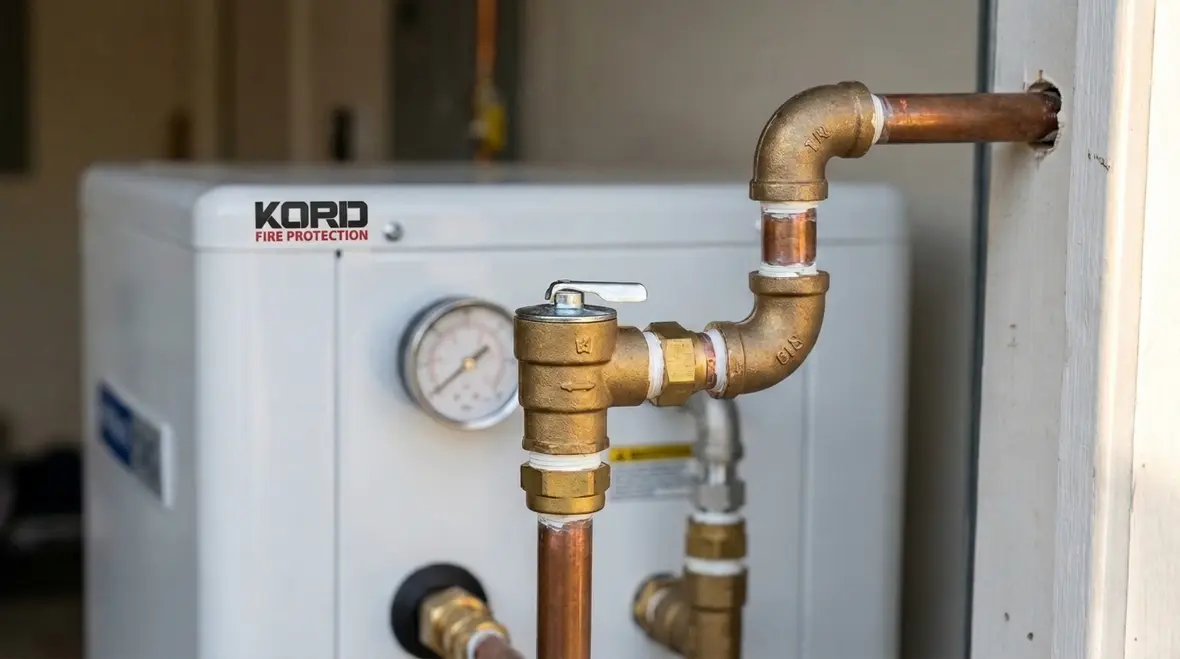
NFPA 52 Section 13.5: Installing Pressure Relief Valves on Residential CNG Systems
Quick Answer
NFPA 52 Section 13.5 governs how pressure relief valves must be selected, mounted, piped, and maintained on residential CNG systems. Proper installation supports predictable venting under overpressure while reducing ignition risk, tampering, and inspection failures.
Pressure relief valve installation is one of the most overlooked parts of residential CNG safety, even though it is fundamental to controlling overpressure events. NFPA 52 residential CNG pressure relief valve installation requirements address how the valve operates, where it vents, what materials and piping are allowed, and how the system is kept inspection ready over time. For commercial and retail facilities that support residential service work, the compliance stakes remain high because maintenance failures and incorrect vent routing can create both regulatory and fire risk exposure.
Facilities that want stronger documentation discipline can also review fire safety compliance management with automated documentation to support repeatable inspection records and field verification workflows.
For related technical context, Kord Fire Protection also explains pressure relief valves in fire protection systems, which fits naturally with this discussion of valve sizing, discharge routing, and long term maintenance discipline.
What NFPA 52 Section 13.5 Is Trying to Prevent
Section 13.5 focuses on ensuring pressure relief valves (PRVs) discharge safely when the CNG system reaches an abnormal pressure condition. The goal is to avoid hazardous outcomes such as:
- Uncontrolled gas release near ignition sources
- Backpressure that prevents the valve from lifting or causes nuisance relief
- Incorrect discharge routing that directs vent gas into occupied spaces or air intakes
- Valve damage or performance loss due to installation errors or contamination
- Noncompliant labeling, protection, and access that block inspection and testing
In practice, the compliance challenges tend to show up during changeouts, after repairs, and when installers improvise vent routing. Commercial facilities that oversee installation programs, service technicians, or outsourced repair work should treat PRV installation as a quality system issue, not a one time task.
Which PRV Details Control Safe Operation?
NFPA 52 residential CNG pressure relief valve installation requirements hinge on matching the PRV to the system’s pressure regulation and overpressure control design, and then installing it so it can lift and discharge as intended. The following elements commonly determine whether the installation performs correctly during an overpressure event.
1) Correct valve sizing, set pressure, and rating
Installers must verify the PRV is rated for natural gas service and matches the required set pressure and discharge capacity. Using a valve with the wrong pressure setting, flow capacity, or gas compatibility can lead to delayed relief, frequent nuisance operation, or valve failure to reseat.
2) Proper orientation, mount support, and connection integrity
A PRV is not a generic fitting. The valve body must be supported so that pipe loads do not stress the inlet connection or degrade the internal sealing surfaces. Misalignment, excessive torque, or unsupported piping can cause leaks, impaired valve actuation, or a relief discharge path that is not aligned with the vent system.
3) Discharge routing and termination location
The vent discharge must direct gas away from ignition sources and away from areas where gas could accumulate. Poor routing is a frequent failure point because it can:
- Increase backpressure
- Route gas into doorways, crawl spaces, or mechanical equipment enclosures
- Cause recirculation toward air intakes or windows
- Create weather related impairment, including icing or blockage
How to Install It Right: Step-by-Step Compliance Workflow
Residential installations still require documentation discipline because PRVs must remain testable, inspectable, and correctly vented for the life of the system. This workflow supports consistent field execution and reduces audit findings in commercial and industrial service programs.
Step 1: Pre-installation verification
- Confirm the system configuration, regulator scheme, and expected overpressure scenarios.
- Verify the PRV data plate, set pressure, inlet connection type, and discharge requirements.
- Check surrounding areas for ignition sources, obstructions, and potential gas accumulation zones.
- Confirm required labeling, protective enclosures, and access clearance for inspection.
Step 2: Mounting and connection practices
- Install the PRV with correct orientation and supported piping to minimize mechanical stress.
- Use approved materials and fittings compatible with CNG service.
- Avoid contamination. Keep internal surfaces clean during installation and protect openings from debris.
- Ensure all threaded connections are made using approved methods and do not introduce stress or misalignment.
Step 3: Vent piping installation and protection
- Route discharge to a compliant termination location that disperses gas safely.
- Minimize fittings and avoid restrictive configurations that increase backpressure.
- Verify the vent does not terminate where it can be blocked by landscaping, snow, or structural elements.
- Provide protection as required so the vent remains open and functional without encouraging tampering.
Step 4: Functional leak testing and initial verification
After installation, conduct leak testing in accordance with applicable codes and procedures for gas piping systems. Document results, valve identification, and vent routing details so future inspections can confirm the PRV remains installed as originally approved.
For commercial facilities coordinating contractors, add a field verification checklist that photographs the PRV body, vent route, termination location, and labeling. This improves traceability and reduces repeat work.
Common Failure Points in Residential PRV Installation
Even when equipment meets the spec, field execution errors can impair PRV performance. The most common issues encountered during compliance reviews include:
- Backpressure from restrictive vent routing: excessive bends, undersized discharge components, or obstruction-prone terminations can reduce venting effectiveness.
- Insufficient support and mechanical stress: unsupported piping transfers load to the valve body, increasing leak likelihood and internal wear.
- Wrong discharge location: termination too close to doors, windows, or air intakes increases ignition risk and can create nuisance accumulation.
- Contamination during installation: debris or thread compounds in unintended areas can hinder sealing and actuation.
- Missing or inaccessible protection and identification: if technicians cannot inspect the valve and vent path, maintenance programs fail over time.
- Uncontrolled modifications: adding fittings or changing vent routing without regard to NFPA requirements can invalidate the safety design.
Commercial, industrial, and retail facilities that manage residential CNG work under broader safety management systems should treat PRV installation quality as a compliance deliverable, with repeatable inspection and documentation standards.
Inspection, Testing, and Maintenance After Installation
NFPA 52 residential CNG pressure relief valve installation is not complete at handoff. Ongoing inspection and maintenance ensure the PRV and vent path continue to perform. Typical maintenance programs should include:
Visual inspection for physical integrity and vent condition
- Check valve body and connections for corrosion, damage, and leaks.
- Confirm vent piping is intact, unobstructed, and routed to the correct termination location.
- Verify protective features remain in place and do not block discharge.
- Confirm labeling and accessibility for future inspection.
Verification activities based on facility risk and code requirements
Some systems require testing or performance verification practices determined by the governing code, manufacturer instructions, and the facility’s compliance plan. The critical element is ensuring inspection intervals and methods actually validate PRV readiness, not just visual appearance.
For ongoing compliance support, Kord Fire Protection provides commercial fire and life safety expertise that helps facilities standardize inspection documentation, technician readiness, and maintenance tracking. This supports audit readiness and reduces the likelihood of repeated installation defects.
If you manage multi site service programs or need a practical compliance roadmap, review Kord Fire Protection services and compliance support.
When Facilities Need a Strong Contractor Quality Plan
Residential PRV installation often occurs under contracted scope, but commercial facilities typically carry the operational risk when safety requirements fail. A contractor quality plan should include:
- Pre job documentation: PRV model verification, vent routing drawings, and installation instructions.
- Field acceptance checks: documented leak test outcomes, vent termination confirmation, and photo evidence.
- Change control: procedures for any modifications to valve selection or vent routing.
- Maintenance handoff: transfer of valve identification, installation records, and maintenance requirements.
- Staff training: practical instruction on what causes PRV and vent failures in the field.
This approach strengthens compliance across commercial, industrial, and retail environments, particularly where multiple technicians and contractors touch the same compliance systems over time.
Frequently Asked Questions
Conclusion and Call to Action
NFPA 52 Section 13.5 sets clear expectations for safe overpressure control through correct NFPA 52 residential CNG pressure relief valve installation practices, safe vent routing, and ongoing readiness checks. If your facility coordinates residential CNG work, tighten contractor quality control and implement PRV-focused inspection documentation from day one. Contact Kord Fire Protection to strengthen compliance tracking, testing readiness, and maintenance processes across your service program.

Join Our Newsletter!
Get the latest fire safety tips delivered straight to your inbox From our Newsletter.


