
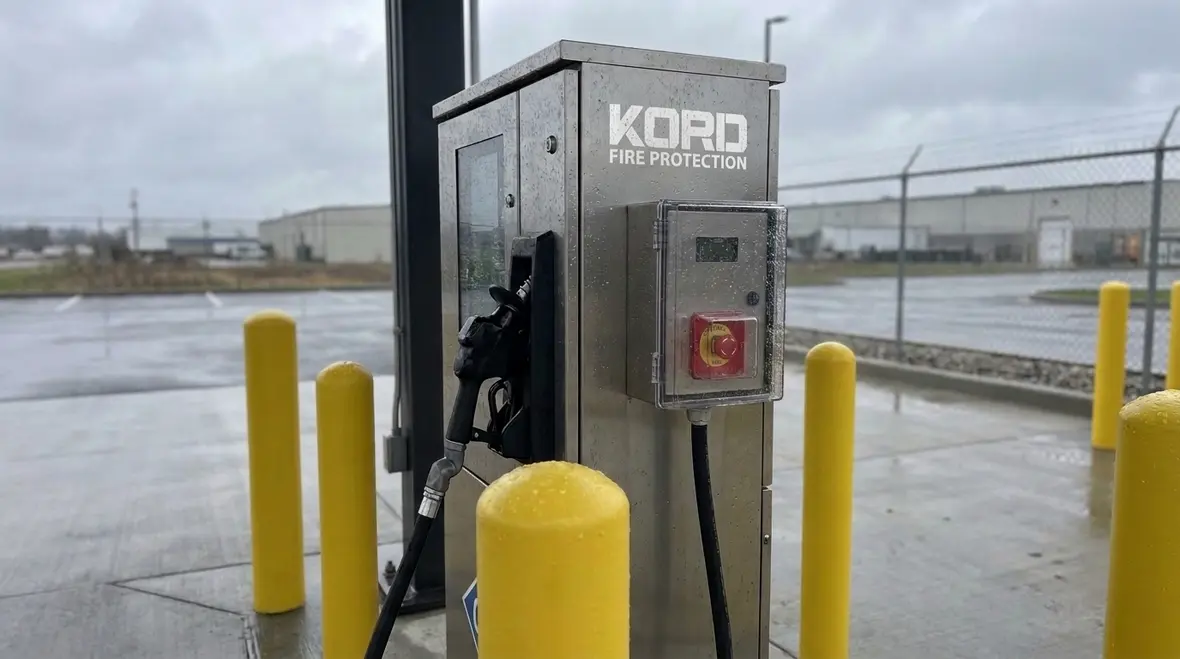
NFPA 52 Section 10.3: CNG Supplemental Requirements for Outdoor Stations
Quick Answer: NFPA 52 Section 10.3 sets supplemental safety requirements for outdoor compressed natural gas (CNG) stations. It focuses on hazard control, equipment protection, signage and labeling, operating practices, and ongoing readiness through inspection and maintenance. Facilities must align designs and procedures with these provisions.
For a related look at how facilities structure ongoing CNG inspection routines, see NFPA 52 Section 4.5: Operations and Maintenance Programs for CNG Facilities.
What NFPA 52 outdoor CNG supplemental requirements require in practice
NFPA 52 Section 10.3 expands safety expectations for outdoor CNG station installations beyond baseline code provisions. The intent is to address real-world conditions that outdoor sites experience, including weather exposure, physical impact risk, vandal resistance concerns, and the operational complexity of supporting fuel dispensing. In this article, Kord Fire Protection reviews how commercial and industrial operators typically interpret and implement the NFPA 52 outdoor CNG supplemental requirements in day-to-day compliance.
Section 10.3 focus areas: where compliance failures usually occur
Most compliance issues tied to outdoor CNG supplemental requirements do not stem from missing “big ticket” systems. They come from gaps in how outdoor equipment stays safe after initial installation. Common failure points include:
- Physical protection breakdowns: Missing barriers, compromised bollards, or damaged weatherproof enclosures that allow intrusion or moisture intrusion.
- Inadequate labeling and operating instructions: Outdated or obscured signage, incomplete identification of emergency controls, or worn markings that technicians cannot verify during an alarm event.
- Improper environmental condition management: Corrosion, water intrusion, and condensation effects that degrade regulators, valves, and detection components.
- Inconsistent inspection and maintenance execution: Intervals missed or performed without verifying functional performance, not just visual condition.
- Training and readiness drift: Personnel changes without refresh training on supplemental outdoor requirements and emergency response expectations.
Commercial facilities that treat Section 10.3 as a one-time design checklist tend to underperform during periodic inspections. Kord Fire Protection typically recommends integrating supplemental checks into the same operational calendar used for fire and life safety systems so outdoor CNG hazards stay controlled continuously.
Outdoor station hardware and protection: meeting the intent behind supplemental requirements
Outdoor CNG systems operate under sustained exposure to sunlight, precipitation, thermal cycling, and mechanical disturbances. Section 10.3 supplemental requirements emphasize protective strategies that keep key components reliable under outdoor stressors.
1) Enclosure integrity and weather exposure controls
Outdoor installations often include equipment cabinets, valve trains, and control components exposed to rain, washdown, dust, and debris. Operators should verify:
- Weatherproof enclosures maintain required integrity and gaskets remain serviceable.
- Condensation is managed so electrical and pneumatic parts do not degrade.
- Drains, vents, and cable entry points remain sealed and clear.
2) Impact protection and separation from vehicle activity
Outdoor dispensers and station hardware can be struck by vehicles or equipment during routine operations. Facilities should ensure protective measures remain intact and correctly located. A common oversight is partial damage that operators postpone repairing because the system still “appears to function.” Section 10.3 aligns with the concept that equipment must remain safe even after foreseeable site disturbances.
3) Corrosion management for valves, fittings, and detectors
Corrosion and salt exposure can weaken seals and degrade performance. Effective compliance requires a maintenance approach that includes:
- Scheduled inspection of fittings, hangers, supports, and termination points.
- Verification that coatings and corrosion barriers remain intact.
- Replacement of components that show pitting, loss of surface integrity, or seal degradation.
Operating readiness: procedures, alarms, and emergency controls
For outdoor stations, supplemental requirements focus heavily on how the station performs when something abnormal happens. Compliance expects that personnel can detect, respond, and secure the system safely and quickly.
Clear control identification and emergency access
Outdoor equipment must support fast recognition under stress. Operators should maintain:
- Visible emergency shutdown controls and instructions
- Legible signage at access points, control panels, and near critical components
- Unobstructed pathways for responders and technicians
Functional verification, not just visual checks
During inspections, maintenance staff should confirm devices perform as intended. Outdoor conditions can cause hidden failures such as degraded detectors, impaired wiring terminations, or valve response delay. A robust program uses:
- Documented testing tied to manufacturer specifications
- Verification of alarm signaling and communication pathways
- Corrective action tracking with time-bound closure
Facilities can strengthen readiness by aligning these activities with established fire protection management practices. For broader guidance on commercial fire protection program structure, Kord Fire Protection supports clients with compliance planning and maintenance execution across life safety systems.
Inspection and maintenance: building an audit-ready compliance system
Outdoor CNG supplemental compliance succeeds when maintenance records prove the station remains safe over time. Auditors and AHJ representatives typically look for both condition and evidence of proper method.
What to document for Section 10.3 supplemental readiness
Operators should maintain complete records for outdoor systems, including:
- Inspection checklists and results for outdoor equipment protection features
- Testing records for detection, alarms, and control functions
- Service reports for regulators, valves, and associated hardware
- Corrective actions, part replacement history, and retest documentation
- Training records for personnel who operate or maintain the station
Common operational drift scenarios
Commercial sites experience changes that can quietly move a compliant station out of compliance. Typical drift includes:
- Modifications by contractors without confirming supplemental requirement impacts
- Signage replacement delays after cleaning or repainting
- Deferred repairs to enclosures or protective barriers due to production schedules
- Seasonal performance issues attributed to weather without functional verification
Kord Fire Protection often helps clients build a repeatable compliance workflow that connects outdoor CNG safety checks to a centralized maintenance management process, reducing the likelihood that small failures turn into audit findings.
How commercial facilities should manage risk across retail, industrial, and fleet sites
Outdoor CNG stations commonly operate in environments that include customer foot traffic, vehicle movement, or nearby industrial activities. Section 10.3 supplemental requirements support risk reduction strategies that scale to different facility models.
Retail and customer-facing sites
Operators should prioritize robust wayfinding, signage durability, and emergency access clearances. The station must remain readable and reachable even after weather events or routine site cleaning.
Industrial and mixed-use campuses
Industrial environments often involve heavy equipment and ongoing construction. Facilities should coordinate change management so modifications do not compromise barriers, separation distances, or protective enclosures.
Fleet fueling depots
Depot operations focus on speed and throughput. Supplemental outdoor requirements still demand that safeguards remain effective. Scheduling should include sufficient time for functional verification and completion of corrective actions without shortcuts.
When facilities treat NFPA 52 compliance as an operational discipline, they reduce downtime, prevent safety events, and improve confidence during AHJ reviews. Kord Fire Protection supports commercial operators with ongoing inspection readiness and maintenance support tailored to outdoor CNG environments.
Frequently Asked Questions
Conclusion and call to action
NFPA 52 Section 10.3 outdoor CNG supplemental requirements help facilities keep outdoor fueling systems safe under real operating conditions. The best compliance outcomes come from continuous inspection readiness, functional verification, and disciplined corrective action. Kord Fire Protection can support your station with compliance planning, maintenance coordination, and documentation support so your outdoor CNG operations remain inspection-ready. Contact Kord Fire Protection today to assess your current program and close gaps before an AHJ review.

Join Our Newsletter!
Get the latest fire safety tips delivered straight to your inbox From our Newsletter.


