
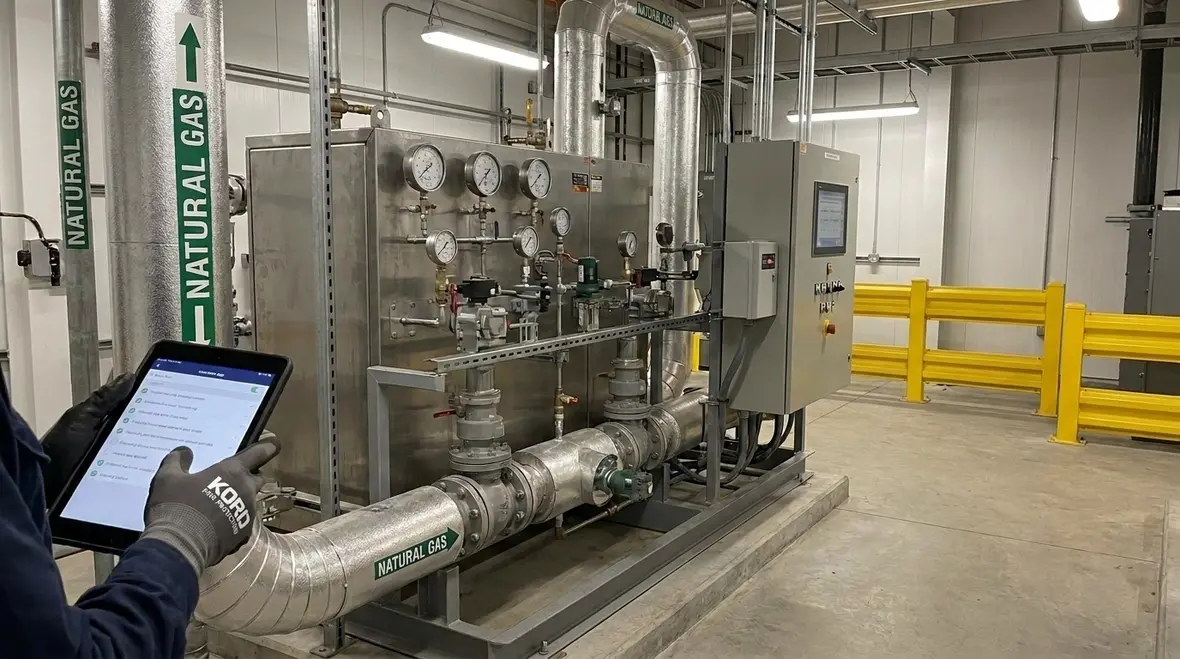
NFPA 37 Section 5.6: Pressure-Boosting Equipment in Gas Fuel Systems
Quick Answer
NFPA 37 Section 5.6 governs how pressure-boosting equipment must be selected, installed, controlled, and maintained in gas fuel systems. It addresses safe operation, proper protection against abnormal conditions, and inspection readiness, supporting compliant performance for commercial, industrial, and retail facilities.
For facilities building out a broader compliance plan, it can help to review fire protection services in Southern California early, especially when inspection deadlines, maintenance scheduling, and documentation all need to line up without turning into a bureaucratic obstacle course.
What NFPA 37 gas pressure boosting equipment requirements typically demand
NFPA 37 gas pressure boosting equipment requirements focus on preventing unsafe pressure conditions and ensuring dependable control of boosted gas fuel delivery. Section 5.6 evaluates equipment function as part of the overall gas train, not as a standalone device. For facilities with high demand loads, staged burners, or long piping runs, compliance hinges on matching the booster configuration to the system design and confirming that safety controls remain effective during operation and maintenance.
Where pressure boosting shows up in real gas fuel installations
In practical commercial and industrial deployments, pressure-boosting equipment typically supports one or more of the following scenarios:
- Metering and delivery stability when utility pressure fluctuates or when multiple end uses create variable demand.
- Long pipe runs where static pressure and friction losses require higher inlet pressure to maintain burner performance.
- Higher firing rates in boiler houses or process heating where design turndown and modulation still require stable fuel supply.
- Low pressure sources where boosted pressure improves reliable ignition and flame stability.
These applications increase the compliance burden because failure modes can compound. If the booster or its controls drift, the system may still pass a superficial check while operating outside intended limits under load. Section 5.6 therefore expects a disciplined approach to equipment integration, protection, and ongoing verification.
NFPA 37 Section 5.6 overview: equipment, controls, and protection
NFPA 37 Section 5.6 evaluates pressure boosting as a controlled process with defined operating boundaries. While exact provisions depend on the specific booster type and system configuration, the compliance fundamentals generally include the following:
1) Booster selection and system compatibility
Pressure boosting equipment must be appropriate for the gas service, expected flow range, and operating conditions. Selection errors frequently involve:
- Using a booster that cannot maintain required outlet pressure within the system’s pressure profile.
- Incorrect sizing that pushes the equipment into surge or unstable operating regions.
- Materials or internal components not suitable for the gas characteristics and operating environment.
2) Safe control and operating limits
Boosted systems rely on controls to keep fuel pressure within design targets. Section 5.6 compliance typically depends on maintaining the integrity of those control functions, including the correct setpoints, response characteristics, and fail safe behavior. Controls that work during normal operation may still create hazards if they fail to respond correctly during transient events such as burner staging, load changes, or utility pressure shifts.
3) Protection against abnormal pressure conditions
Pressure boosting introduces additional hazard potential because it can raise pressure above what downstream components are rated for if protective measures fail. Compliance therefore depends on ensuring the system can detect and prevent unsafe conditions, including conditions that can occur during cycling, regulator malfunction, or control drift.
How to verify compliance in the field: inspection and acceptance priorities
Facilities often discover compliance gaps only after an incident or during a formal review. A better approach uses acceptance and inspection tasks that align to how boosters fail. The most effective verification programs focus on evidence, not assumptions.
Pre operational checks that prevent common nonconformities
- Check pressure instrumentation for correct calibration status and appropriate sensing location relative to the boosted delivery point.
- Confirm control logic and setpoints match the design basis, including responses to staging changes and recovery behavior after disturbances.
- Validate safety response timing during simulated abnormal conditions, ensuring protective actions occur within expected tolerances.
- Inspect isolation and venting paths where applicable to ensure safe behavior during abnormal events and maintenance.
Operational verification under load
Compliance checks must include performance under realistic demand. A booster can be stable at idle and become unstable when multiple appliances modulate. During scheduled commissioning or periodic maintenance windows, the verification should include observing pressure stability, control response, and the ability of the protection scheme to prevent unsafe conditions during load transitions.
For a commercial facility team, this is where documentation matters. Maintaining test records, calibration certificates, and control change history reduces rework and speeds up reviews.
Teams that already manage broader inspection workflows often benefit from pairing this work with a more structured inspection, testing, and maintenance approach, because nothing says “avoidable callback” quite like discovering the paperwork and the performance no longer agree.
Common failure points in pressure boosting and how they show up during maintenance
Pressure boosting systems fail in patterns. Understanding those patterns improves inspection effectiveness and reduces downtime.
Control drift and sensor problems
Setpoint drift, sensor contamination, or calibration inaccuracies can shift the system away from target behavior. Symptoms include pressure hunting, frequent cycling, or inconsistent burner ignition conditions. These issues may not trigger alarms if monitoring thresholds do not reflect the real operating profile.
Regulator or valve degradation
Valves and regulators can degrade due to debris, wear, or sticking, especially in systems that cycle frequently. A booster may compensate temporarily, masking a downstream control problem until the system reaches a new equilibrium.
Unexpected operating region and surging
Incorrect piping configuration or sizing can place the booster into a region where flow and pressure become unstable. Maintenance crews may notice abnormal noise, vibration, or rapid control adjustments. Even if pressure remains within broad bounds, instability can still create safety and reliability concerns.
Documentation and maintenance gaps
Many compliance problems originate in maintenance practices that do not include verifying safety function performance. A typical gap involves completing routine inspections while skipping functional checks, calibration verification, or control response verification. NFPA 37 Section 5.6 expectations align safety evidence with ongoing operational reliability, so maintenance programs should include both inspection and functional confirmation.
Staying compliant over time with Kord Fire Protection
Commercial, industrial, and retail facilities need a sustained compliance program, not a one time checklist. Kord Fire Protection supports organizations with ongoing verification, maintenance oversight, and documentation discipline so pressure boosting systems remain aligned with NFPA 37 expectations throughout their service life.
If your facility is managing gas fuel systems, it helps to align fire and life safety responsibilities with broader code compliance activities. For related guidance on system-wide fire protection readiness, Kord Fire Protection can help connect inspection programs to the safety functions that matter during real operation. To explore additional compliance support, review Kord Fire Protection services.
Facilities that deal with pressure behavior in adjacent protection systems may also find useful context in Kord’s fire suppression pressure relief function guide, which is another reminder that pressure problems rarely announce themselves politely.
Frequently Asked Questions
Conclusion and call to action
Pressure boosting can improve performance, but it increases safety complexity. Facilities should treat NFPA 37 gas pressure boosting equipment requirements as an integrated system requirement and verify control and protection performance, not just equipment presence. Kord Fire Protection can support ongoing inspections, functional verification, and maintenance documentation so your gas fuel system remains audit ready. Contact Kord Fire Protection to schedule a compliance-focused assessment and build a practical maintenance plan that sustains safe operation.

Join Our Newsletter!
Get the latest fire safety tips delivered straight to your inbox From our Newsletter.



