
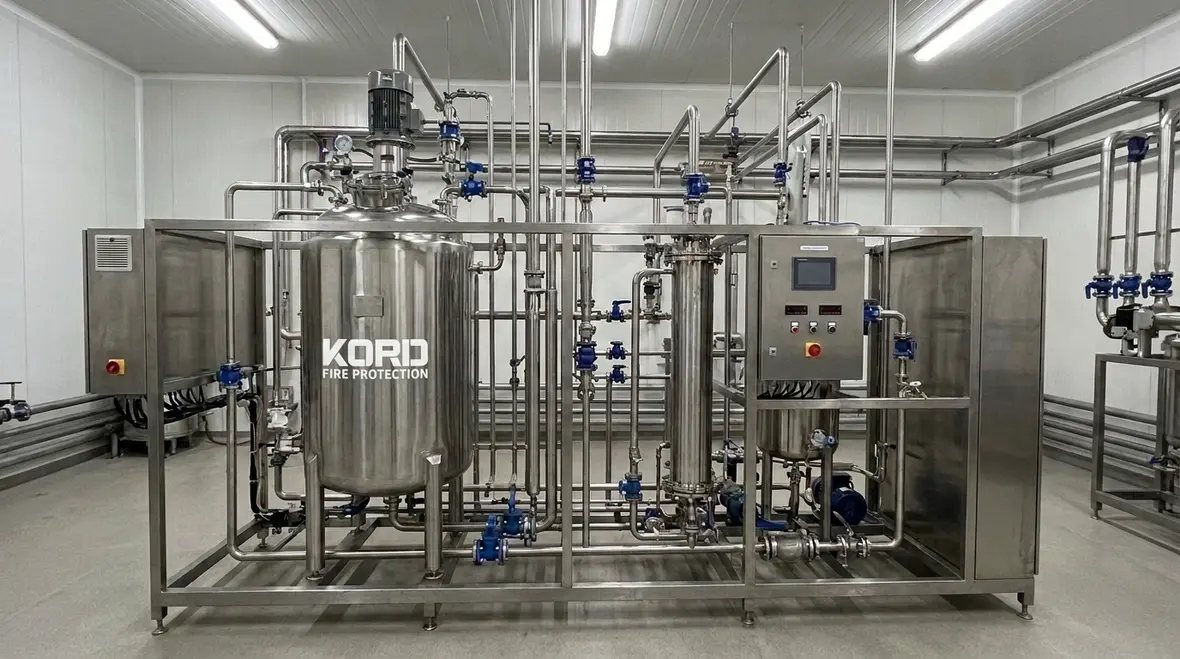
NFPA 36 Section 8.1 Scope: Extraction Process Equipment
Quick Answer: NFPA 36 Section 8.1 defines where extraction process equipment fits within the safety framework for facilities handling flammable and combustible materials. It clarifies the equipment types covered, what operational conditions matter, and how facilities must manage ignition hazards through construction, protection, and inspection.
For a broader look at how ongoing inspections, testing, and maintenance fit into a complete compliance plan, explore fire protection services in Southern California. It connects the dots between equipment specific obligations and the bigger picture of keeping systems ready without turning compliance into organized chaos. ([kordfire.com](https://kordfire.com/fire-protection-services-southern-california/?utm_source=openai))
What NFPA 36 Section 8.1 Covers for Extraction Process Equipment
The NFPA 36 extraction process equipment scope under Section 8.1 addresses the equipment used to perform extraction operations where flammable or combustible materials may be present or generated. In practical terms, Section 8.1 sets the foundation for identifying which extraction-related vessels, systems, and associated components must meet fire protection and life safety requirements.
Commercial facilities that support food processing, botanical extraction, solvent recovery, or similar industrial and retail-adjacent operations often focus on “what equipment exists” rather than “how the extraction process behaves.” NFPA 36 Section 8.1 pushes the focus to equipment categories and operating realities that create ignition risk, including solvent handling, vapor release potential, transfer points, and maintenance accessibility.
Why the Scope Matters in Real Extraction Operations
Extraction process equipment introduces unique fire and explosion risk because the operation can generate flammable atmospheres. Even when bulk liquids are contained, vapors, leaks, purge cycles, and cleaning steps can produce combustible concentrations. Compliance therefore extends beyond installing fire suppression to ensuring the extraction system is designed, maintained, and inspected to prevent ignition sources from becoming effective hazards.
Common commercial compliance challenges include:
- Unclear equipment boundaries: Facilities often treat extraction vessels as the only covered items, overlooking interconnecting piping, pumps, condensers, filters, hoses, and solvent storage interfaces.
- Change control gaps: Minor process changes, such as different solvents, higher throughput, or altered purge routines, can change vapor generation and hazard classification without triggering a full hazard review.
- Maintenance-driven failures: Worn seals, loose fittings, blocked vents, and degraded gaskets can create the exact leak points that convert a manageable flammable load into an ignitable atmosphere.
- Inspection misunderstandings: Teams frequently inspect “life safety” items only, while extraction scope compliance depends on equipment integrity, venting performance, and ignition control features.
How Extraction Process Equipment Creates Ignition Risk
NFPA 36 Section 8.1 scope considerations connect directly to common ignition pathways. Extraction equipment is not inherently dangerous by material alone. It becomes hazardous because operational conditions can introduce ignition sources where flammable vapor or mist is likely.
Typical hazard contributors
- Vapor release and accumulation: Incomplete enclosure, venting to unsuitable locations, or improperly routed exhaust can allow vapor to concentrate near ignition sources.
- Leak points at connections: Flanges, threaded joints, pump seals, sight glasses, and quick disconnects often fail first under vibration and thermal cycling.
- Static electricity generation: Transfers, recirculation, and filtration can build static charge if bonding, grounding, or conductive path continuity is not maintained.
- Hot surfaces and energized components: Motors, heaters, and instrumentation can become ignition sources when not evaluated for the operating environment.
- Inadequate ventilation or vent filtration: Blocked vents or incorrect vent termination can drive vapors into protected spaces or equipment rooms.
Where the scope tends to expand in the field
When inspectors evaluate extraction systems, they commonly look beyond the extraction vessel to associated subsystems that influence vapor control and ignition prevention. This expansion includes connected transfer lines, recovery units, condensers, pumps, filtration housings, and any components that can release vapors during routine operation or maintenance.
Practical Compliance Requirements Inside the Section 8.1 Scope
Because Section 8.1 frames the covered equipment categories, facilities should align their program to cover both initial installation and ongoing operational integrity. NFPA 36 expectations typically translate into a repeatable compliance routine, including documentation, inspections, and corrective actions.
Design and installation checks that prevent scope gaps
- Defined equipment list and boundaries: Maintain a current inventory that identifies extraction equipment, associated piping, transfer components, and vapor management elements.
- Ignition control compatibility: Confirm electrical classification and equipment suitability for the solvent vapor environment based on the process conditions.
- Vent routing and termination verification: Ensure vent discharge locations and vent performance do not allow vapor accumulation in occupied or ignition-adjacent areas.
- Bonding and grounding continuity: Verify grounding points for tanks, pumps, hoses, and transfer paths as part of commissioning and routine maintenance.
Operational and maintenance requirements that keep compliance credible
- Seal and gasket integrity tracking: Use change-out intervals aligned to operating conditions and document seal replacements to prevent recurring leakage.
- Filter and housing inspection cycles: Replace or inspect filters on schedule and confirm that housings do not bypass vapors during differential pressure events.
- Vent and relief device checks: Confirm vents and relief paths remain unobstructed, properly routed, and capable of performing as designed.
- Cleaning and purge procedures: Ensure cleaning steps and purge routines do not create uncontrolled vapor release or ignition risk, especially during start up and shutdown.
For facilities seeking a structured approach to ongoing compliance, Kord Fire Protection supports commercial environments with practical testing and maintenance planning. This helps operations teams keep extraction systems within the intended hazard controls without treating compliance as a once-per-year checklist. For a useful related read, understanding the full lifecycle of fire protection servicing fits naturally with this topic because it frames maintenance as an ongoing system responsibility, not a one and done event. ([kordfire.com](https://kordfire.com/full-lifecycle-of-fire-protection-servicing/?utm_source=openai))
Common Failure Points During Inspections of Extraction Equipment Scope
Inspection findings often repeat across commercial and industrial sites because the failure points come from predictable wear, process changes, and incomplete documentation. The following issues commonly appear when validating the NFPA 36 extraction process equipment scope in practice.
Frequent equipment and process issues
- Untracked modifications: Replacement of pumps, hoses, or valves with components not verified for solvent service or ignition control compatibility.
- Damaged insulation or enclosure gaps: Compromised coverings increase exposure to vapor or hot surfaces.
- Improper maintenance of electrical devices: Loose fittings, degraded seals on enclosures, and missing gaskets reduce explosion and ignition protection.
- Vapor management breakdowns: Blocked vents, incorrect termination routing after renovations, or exhaust fans that are offline during process steps.
- Static bonding failures: Corrosion, loose clamps, or replaced flexible lines that disrupt conductive pathways.
How teams can prevent repeat findings
Facilities benefit from a compliance workflow that connects process engineering to fire protection maintenance. A practical model includes:
- Documented equipment boundaries tied to the extraction process flow.
- Inspection frequencies defined by operating cycles and observed wear patterns.
- Corrective action tracking with verified closure criteria.
- Training for maintenance and operations staff on what changes increase vapor release and ignition risk.
Internal and External Linking Strategy for Compliance Content
To support ongoing compliance communication within a facility, align this topic with your internal technical documents and standard operating procedures. For example, you can pair extraction equipment scope guidance with fire alarm, suppression, and impairment management resources.
For teams building or refreshing documentation packages, Kord Fire Protection can help organize practical compliance support through services tailored to commercial and industrial operations. If your process involves inspection and maintenance planning, consider reviewing related guidance on commercial fire suppression system maintenance basics and the broader fire protection services page. Both support the same idea: serious systems do better with structured upkeep than with crossed fingers and a calendar reminder. ([kordfire.com](https://kordfire.com/fire-suppression-system-maintenance-basics-for-owners/?utm_source=openai))
Frequently Asked Questions
Next Step: Get Extraction Scope Support That Holds Up Under Inspection
Extraction systems require more than periodic checks. Kord Fire Protection helps commercial teams build a practical, inspection-ready approach to the NFPA 36 extraction process equipment scope through coordinated testing, maintenance planning, and documentation support. Contact Kord Fire Protection to review your extraction equipment boundaries, identify high-risk failure points, and create a defensible ongoing compliance routine for your site.

Join Our Newsletter!
Get the latest fire safety tips delivered straight to your inbox From our Newsletter.



