
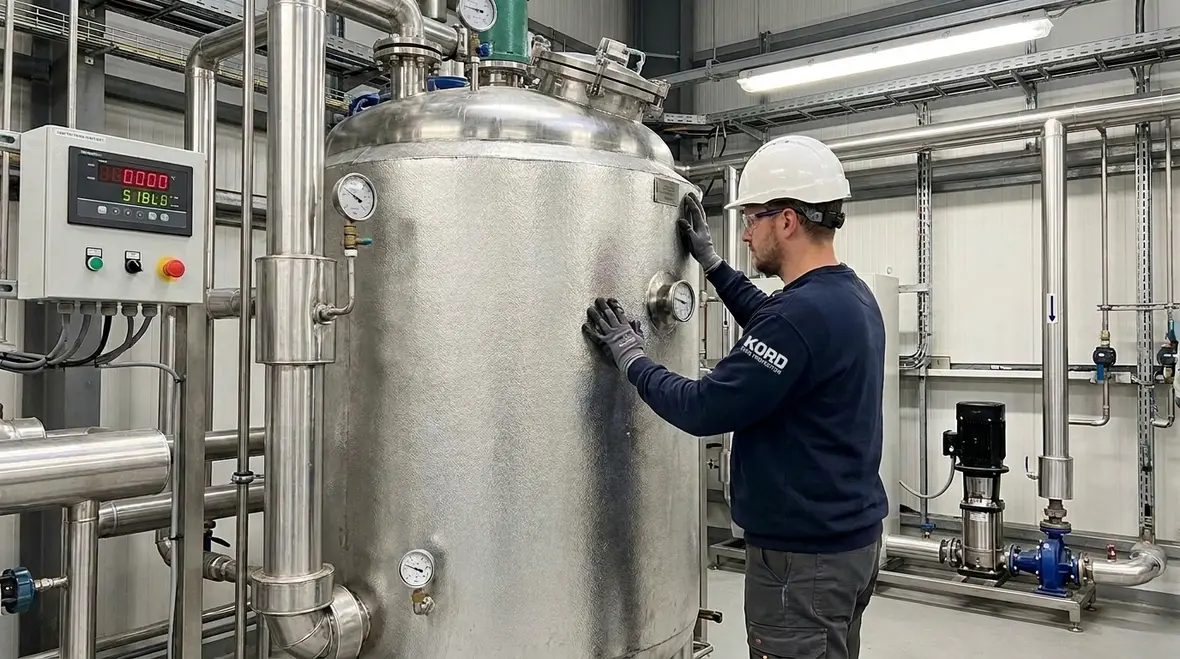
NFPA 36 Section 7.9: Ignition Sources and Heating in the Extraction Process
Quick Answer
NFPA 36 Section 7.9 focuses on controlling ignition sources and managing heating during extraction operations to prevent fires and explosions. Facilities must identify credible ignition sources, control hot surfaces and frictional heating, and maintain equipment and systems so hazardous vapors do not ignite during normal and upset conditions.
For a broader view of how inspection evidence and preventive maintenance support compliance programs, see fire safety inspections and preventive maintenance.
Why NFPA 36 extraction ignition sources heating controls matter in real facilities
In commercial, industrial, and retail environments that handle flammable extraction processes, ignition prevention is not a theoretical exercise. NFPA 36 extraction ignition sources heating requirements directly target the conditions that allow vapors, mists, or dust-laden atmospheres to ignite. Section 7.9 ties operational reality to fire safety outcomes by requiring facilities to control ignition sources and limit heating mechanisms that can elevate surfaces above safe temperatures.
Because extraction systems often run continuously and involve pumps, heaters, compressors, valves, and rotating equipment, the compliance challenge usually comes from normal wear, maintenance gaps, and evolving process conditions. A control program must therefore include inspection, documentation, and response procedures that match the facility’s operating modes.
What Section 7.9 is trying to prevent during extraction
NFPA 36 Section 7.9 addresses ignition sources and heating that could ignite flammable vapors or other combustible materials generated or released during the extraction process. The intent focuses on two linked failure pathways:
- Ignition pathway: A credible ignition source exists within an area where the atmosphere can become hazardous.
- Heat escalation pathway: Normal operation, upset conditions, or equipment deterioration increases temperature at surfaces, components, or process locations until ignition is possible.
In practice, “heating” control often becomes a cross-discipline task that includes mechanical integrity (bearings, couplings, seals), electrical equipment suitability, instrumentation calibration, and process controls that prevent overheating, overpressure, or improper flow.
Which ignition sources typically drive noncompliance
Ignition sources in extraction areas frequently originate from equipment and work practices rather than from obvious “spark” events. Common categories include:
1) Hot surfaces and overheating components
Heating violations usually show up as elevated surface temperatures from blocked flow, low fluid level, failed thermal controls, or deterioration of insulation. Typical risk points include:
- Heaters, heat exchangers, and thermal oil lines
- Pump housings and motor end bells
- Bearings and couplings on agitators and conveyors
- Valves, flare lines, and fittings subjected to improper temperatures or deposits
Facilities address this by verifying temperature limits, ensuring proper setpoints and fail-safe behavior, and controlling the causes of restricted flow that lead to thermal runaway.
2) Electrical ignition sources
Extraction areas can include hazardous locations where electrical equipment must be suitable for the environment. Failures typically involve:
- Misapplied electrical enclosures or incorrect hazardous location rating
- Broken seals, compromised wiring seals, or damaged conduit seals
- Improper use of non rated portable tools
- Loose connections that overheat during operation
Compliance requires more than equipment selection. It requires inspection routines that detect damage from vibration, chemical exposure, cleaning practices, and temporary maintenance activity.
3) Frictional heating and mechanical sparking
Rotating machinery can create ignition through frictional heating or, in certain designs, mechanical sparking. High-risk conditions include misalignment, worn bearings, failing mechanical seals, and debris ingestion. Facilities commonly miss these factors during changeovers, filter cleaning, and seasonal operating adjustments.
How facilities manage heating during extraction operations
Section 7.9 treats heating as an ignition contributor, so good control practices connect process design to ongoing verification.
Temperature control and instrumentation integrity
Facilities typically reduce risk by maintaining:
- Validated heater control loops and setpoint discipline
- High temperature alarms and interlocks that prevent escalation
- Correct calibration intervals for thermocouples, RTDs, and transmitters
- Alarm management procedures to prevent alarm fatigue and bypassing
When instrumentation drifts, the system can run hotter than expected while operating “normally” from a human perspective. This creates a compliance gap even when operators follow routine checklists.
Process flow and containment of heat sources
Many heating problems originate from flow disruption. Facilities must verify that:
- Filters and strainers are maintained so that flow restrictions do not cause overheating
- Pump suction conditions remain within design limits
- Heat exchangers and condensers maintain proper heat transfer and do not plug
- Valves and actuators operate as expected under both normal and upset modes
Thermal deposits and varnish can gradually reduce heat transfer and increase component temperatures. A preventive maintenance program should include inspection triggers based on differential pressure trends and performance decline.
Operational practices that reduce ignition potential
Heating risk increases during maintenance and startups. Facilities should maintain clear procedures for:
- Start up sequencing that avoids running equipment at unstable conditions
- Shutdown and cooldown routines that prevent unexpected thermal energy release
- Hot work controls and permit requirements when work must occur near extraction zones
- Control of static generating activities that can coincide with heating events
Inspection and maintenance steps that prove compliance
NFPA 36 compliance under Section 7.9 relies on repeatable verification. The most defensible approach includes documented inspection intervals, acceptance criteria, and evidence trails.
What to inspect on rotating and heating equipment
- Bearings and alignment: confirm no overheating signs, abnormal vibration, or misalignment
- Seals and couplings: verify integrity to prevent leakage, frictional heating, and contamination buildup
- Heaters and insulation: confirm insulation condition, absence of damage, and secure covers
- Heat exchanger performance: monitor plugging indicators such as pressure drop and temperature differentials
What to test on electrical systems and hazardous location controls
- Verify hazardous location ratings and document changes after upgrades
- Inspect conduit and wiring seals for integrity and chemical degradation
- Check torque on connections where vibration is expected
- Test alarms and interlocks tied to temperature control and safe shutdown
For facilities seeking a structured compliance program, Kord Fire Protection supports commercial operators with practical inspection readiness, documentation support, and ongoing maintenance coordination. This helps reduce the common failure mode where equipment changes occur without updated ignition source assessments.
If you want additional context on broader fire prevention planning, see Kord Fire Protection fire safety inspections for a practical view of how compliance evidence is built and maintained.
It also helps to strengthen records with a dedicated documentation process. For related guidance, see fire safety system documentation for compliance.
Where facilities most often fall short during audits
Even well run operations can miss key Section 7.9 expectations. Common audit findings include:
- Outdated hazard assessments: changes in process equipment or operating conditions invalidate earlier assumptions.
- Gaps in maintenance evidence: inspections occur, but acceptance criteria, temperature checks, or calibration records are incomplete.
- Improper thermal setpoints: operators adjust controls to maintain throughput without revalidating safe temperature limits.
- Damaged electrical components: seals, enclosures, and wiring entry points degrade due to chemical exposure and cleaning.
- Restricted flow overlooked: filters and heat exchangers are not maintained based on performance indicators.
Reducing these failures typically requires a feedback loop: instrumentation trends drive maintenance, maintenance updates trigger re checks of ignition source controls, and documented verification supports inspection readiness.
Frequently Asked Questions
Next step: verify your ignition control and heating management program
NFPA 36 Section 7.9 compliance depends on more than equipment selection. It requires ongoing verification that ignition sources stay controlled and heating cannot escalate during normal and upset conditions. Kord Fire Protection can help you build an inspection ready program by aligning maintenance, documentation, and operational controls with the risks present in your extraction process. Contact Kord Fire Protection to schedule a compliance focused review and maintenance coordination.

Join Our Newsletter!
Get the latest fire safety tips delivered straight to your inbox From our Newsletter.



