
NFPA 36 Section 1.1 Scope: What Solvent Extraction Plants the Standard Covers
Quick Answer
NFPA 36 Section 1.1 scope defines which solvent extraction operations fall under the standard’s fire safety requirements. It focuses on plants and processes that use flammable or combustible solvents in extraction and related handling steps, ensuring consistent protection across commercial, industrial, and regulated facilities.
Why NFPA 36 Section 1.1 scope matters for solvent extraction facilities
For operators, the scope language in NFPA 36 Section 1.1 scope solvent extraction plants covered drives more than regulatory compliance. It determines which portions of your extraction system must align with NFPA 36 expectations for hazard control, ignition source management, ventilation practices, electrical classification approaches, supervision of solvent handling, and inspection readiness.
In practical terms, two plants can look similar on the production floor yet fall under different compliance obligations due to differences in solvent type, extraction process design, solvent inventory, and how recovery and handling equipment are arranged. This creates a recurring compliance challenge for engineering teams, maintenance leaders, and fire safety managers who must confirm applicability early, not after commissioning.
For a broader protection strategy around volatile liquid hazards, review this layered fire protection system for flammable liquids guide.
What NFPA 36 Section 1.1 typically covers: solvent extraction operations and plant boundaries
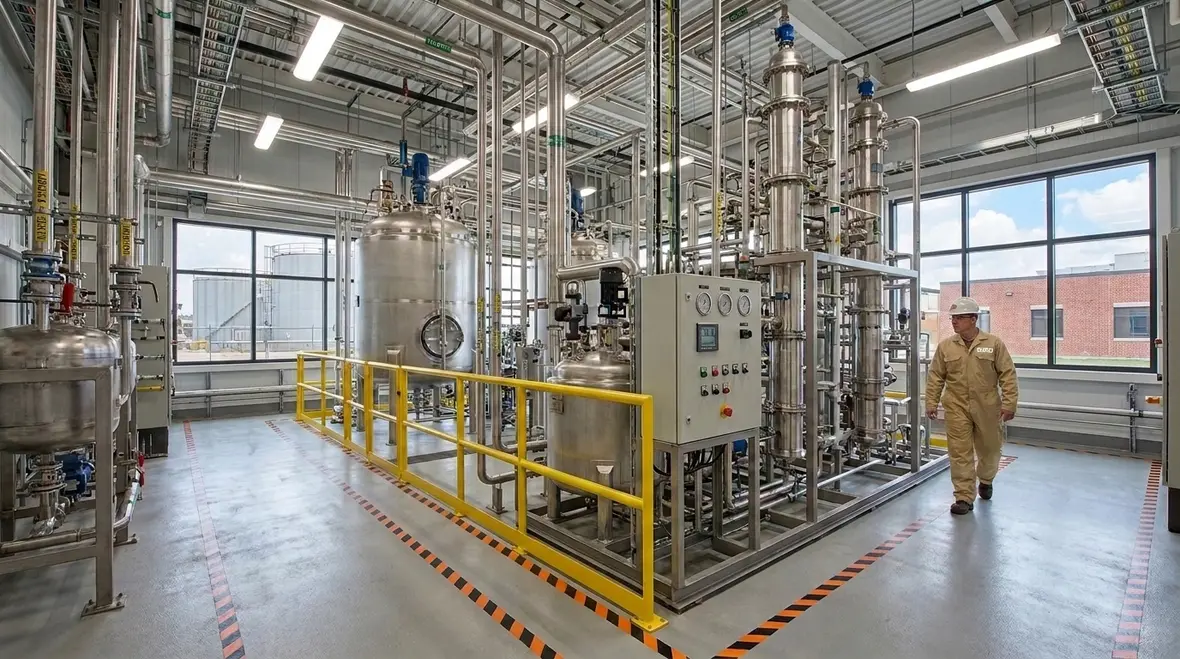
NFPA 36 targets fire hazards associated with solvent extraction and solvent recovery systems. The scope generally addresses solvent processing activities where flammable vapors may be generated, transported, concentrated, or otherwise made available to ignition sources.
In the field, compliance teams treat scope in terms of plant boundaries and process boundaries. “Covered” does not only mean the extraction vessels. It usually extends to connected systems that manage solvent during normal operations and upset conditions, such as solvent storage, transfer lines, filtration steps, evaporators, distillation recovery equipment, condensers, and areas where vapors could accumulate.
Key operational reality: the highest risk conditions often occur during transient events, such as startup, shutdown, solvent changeover, filter swaps, line draining, and equipment maintenance. A scope analysis therefore needs to consider how the plant behaves during those operational modes, not just during steady-state production.
Solvent and process conditions that influence whether a plant is within scope
NFPA 36 applicability hinges on solvent extraction plants where flammable or combustible solvent hazards are present in a way that can create ignitable vapor atmospheres. The following factors commonly determine whether a system falls under the NFPA 36 Section 1.1 scope solvent extraction plants covered definition.
Solvent selection and volatility
Solvent volatility controls vapor generation rates and the likelihood of combustible concentrations. A solvent with higher vapor pressure increases the probability that vapors enter ductwork, travel through enclosures, or accumulate at ceiling height. Facilities often underestimate this during maintenance when ventilation performance changes or enclosures are opened.
Extraction method and vapor release points
Extraction systems can generate vapors through agitation, solvent recirculation, and solvent pooling. In many plants, release points occur around manways, sampling ports, gasketed joints, pumps, and filter housings. Scope determinations should map those points to enclosure and ventilation arrangements.
Solvent recovery and handling equipment
Distillation and evaporation steps concentrate flammable vapors through thermal processes. Even when extraction itself appears “closed,” recovery equipment may create new vapor hazards unless adequately designed for containment, vapor control, and safe discharge routes.
If your operation includes reclaiming solvent, a related deep dive on solvent recovery system fire safety expectations fits naturally with this scope review.
Magnitude of solvent inventory and equipment arrangement
Inventory and arrangement influence hazard classification decisions and fire protection design. A scope review should include how much solvent can be released, where it can travel, and whether drainage and vapor migration controls are effective.
Common compliance pitfalls during scope interpretation
Even when a plant team believes it understands whether it is within the standard, scope interpretation failures often surface during plan review, insurance underwriting, or Authority Having Jurisdiction (AHJ) discussions. Common pitfalls include the following.
Assuming “closed system” means “no vapor risk”
Many solvent extraction designs include openings for sampling, material transfer, and maintenance. Vapor risk remains present during these operations. NFPA 36 compliance efforts typically expect robust controls for predictable operating scenarios, not just nominal running conditions.
Overlooking the maintenance impact on controls
Maintenance activities can reduce ventilation effectiveness, disable interlocks, or introduce temporary configurations that allow vapor release. Plants should treat these as part of the compliance lifecycle, including inspection frequency and verification of return to service conditions.
Not aligning electrical and ignition source controls to actual operating zones
Ignition source controls depend on what vapors can be present and where. If plant operations differ from the assumptions in an initial engineering review, electrical classification and protective device selections may not remain aligned.
Inadequate documentation for the scope decision
A scope decision needs defensible documentation: process descriptions, solvent inventories, operating modes, vapor generating steps, and how connected systems are managed. Without this, scope debates can delay approvals and increase rework costs.
How Kord Fire Protection supports ongoing NFPA 36 compliance for solvent extraction plants
Compliance does not end at initial design. It continues through inspection, testing, maintenance, and documentation. Kord Fire Protection supports commercial and industrial operators by helping them sustain protection systems and verification activities that align with solvent extraction hazards. This approach supports AHJ readiness and reduces downtime risks caused by incomplete maintenance records or delayed corrective actions.
To strengthen internal alignment, facilities often benefit from partnering with a specialized provider for system testing, inspection scheduling, and hazard control verification. For additional context on how fire protection services integrate into plant compliance programs, review this industrial chemical fire suppression guide for sites.
Frequently Asked Questions
Next step: verify scope early, then maintain it
Confirm whether your solvent extraction system aligns with NFPA 36 Section 1.1 scope solvent extraction plants covered before finalizing operating procedures, electrical zone assumptions, and maintenance plans. Then maintain compliance through planned testing, inspection, and documentation that reflect real operating and maintenance conditions. Contact Kord Fire Protection to support inspection readiness and ongoing fire protection maintenance for solvent extraction hazards.
Teams reviewing adjacent solvent equipment may also want to read NFPA 30 Section 19.6 solvent distillation unit requirements for related vapor control and maintenance considerations.

Join Our Newsletter!
Get the latest fire safety tips delivered straight to your inbox From our Newsletter.



