
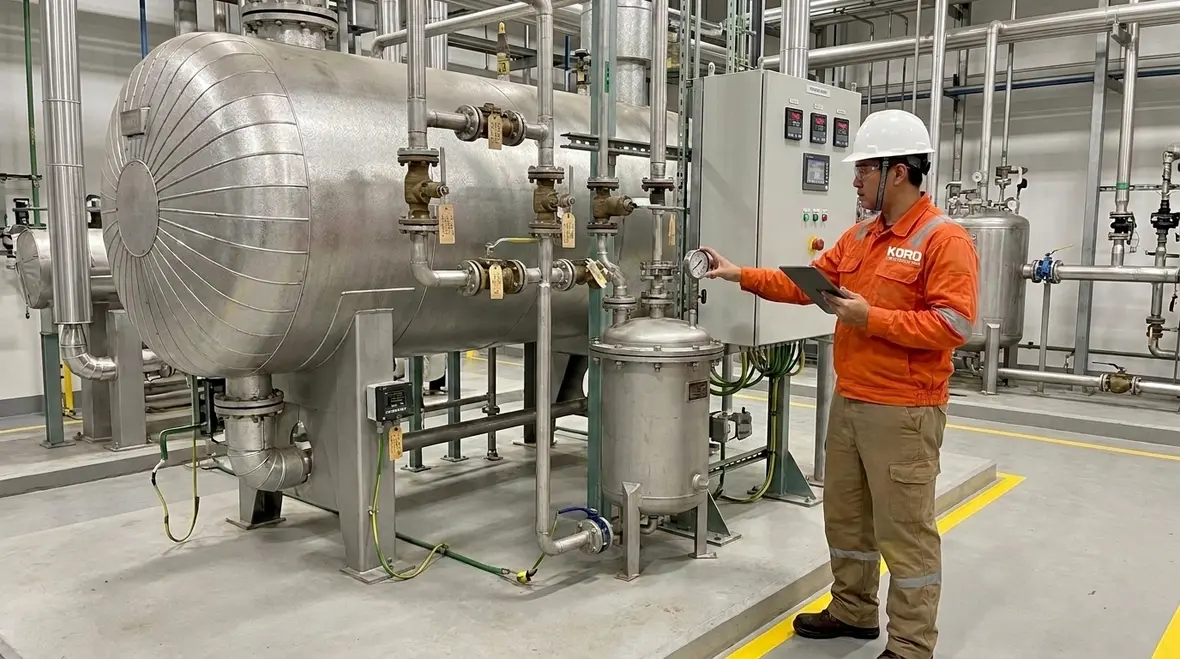
NFPA 34 Section 10.10: Solvent Recovery Systems
Quick Answer: NFPA 34 Section 10.10 establishes fire safety expectations for solvent recovery systems, focusing on ignition control, safe operating design, and reliable protection for handling flammable solvent vapors. Facilities must verify system integrity, maintain equipment, and document inspections to sustain compliance.
For broader support with inspection readiness and code-compliant system coordination, explore fire sprinkler system service as part of a stronger facility protection strategy.
What does NFPA 34 Section 10.10 cover, and why it matters?
NFPA 34 governs fire prevention and protection for facilities using industrial and commercial processes where flammable liquids and vapors are handled. Section 10.10 addresses the hazards created when solvents are recovered, condensed, transferred, and returned to process use. The work is not simply a mechanical recovery task. It is a sustained flammable vapor risk profile requiring disciplined control of ignition sources, verified safe operating conditions, and routine inspection.
For compliance teams, the practical question becomes: how a facility meets NFPA 34 solvent recovery system requirements in real operation, not only on paper. That includes how systems start, run, shut down, vent, control static and temperature, and how protection features are tested and maintained.
Core safety principles in solvent recovery systems
Solvent recovery equipment typically involves heating, vapor generation, vapor transport, condensation, and liquid collection. Each stage changes the fire and explosion risk, often in fast transitions during startups, upset conditions, and shutdowns. NFPA 34 Section 10.10 expectations generally align with these safety principles:
- Ignition source control: Prevent ignition inside recovery equipment and associated piping where solvent vapors can accumulate.
- Safe vapor handling: Maintain containment, proper venting strategy, and controlled flow to avoid flammable mixture formation.
- Temperature and thermal stability: Ensure operating temperatures and heat transfer practices do not create runaway vapor generation or superheated surfaces.
- Reliable mechanical integrity: Protect against leaks, seal failures, and unsafe accumulation in sumps, tanks, and condensate receivers.
- Operational discipline: Ensure procedures cover normal operation and abnormal conditions, including power interruption and component failure.
Commercial, industrial, and retail facilities often face the same failure pattern: solvent recovery systems are added or modified during production changes, but the safety verification process lags behind. That gap produces concealed noncompliance, especially at interfaces between process equipment and recovery components.
System design and operational controls you should verify
Compliance work under Section 10.10 typically requires verifying that the system design and operating controls match the hazard. The most important verification tasks include:
1) Condensation and vapor routing
Solvent recovery depends on consistent condensation performance. Reduced cooling capacity, fouled heat exchanger surfaces, or improper coolant flow can raise downstream vapor temperatures and increase the chance of flammable mixtures reaching ignition-prone locations. Facilities should document inspection criteria that cover:
- Heat exchanger condition, fouling indicators, and cleaning intervals
- Coolant flow assurance and alarms tied to recovery performance
- Correct routing from vapor generation to condenser and into controlled receivers
2) Receivers, sumps, and condensate collection
Condensate receivers and any associated collection systems must prevent unsafe accumulation of vapors and prevent ignition propagation. Common compliance challenges include improper venting, degraded seals, and condensate buildup that bypasses intended drainage and creates localized vapor pockets.
- Receiver venting integrity and compatibility with solvent chemistry
- Seal condition and gasket integrity at access points
- Drain pathways and evidence of liquid carryover or splashing
3) Transfer piping, pumps, and static control
Solvent recovery systems often reuse existing transfer infrastructure. That creates a hidden risk: incompatible materials, incorrect bonding and grounding, and pump mechanical seal failure that allows vapor leakage. Facilities should confirm that transfer segments are grounded and bonded appropriately and that pump maintenance prevents leak development.
4) Venting, relief handling, and pressure stability
During upset conditions, pressure and flow can deviate from design intent. Relief and vent paths must remain functional and unobstructed. Operational controls should ensure abnormal releases are managed without exposing flammable vapor to ignition sources in unsafe locations.
Inspection, testing, and documentation: how compliance is sustained
Section 10.10 compliance is not a one-time acceptance activity. It depends on continued verification that protection and control features stay effective. A strong program treats inspections as performance assurance, not checkbox compliance.
What to inspect on a recurring basis
Commercial facilities typically need inspection routines aligned with the recovery cycle and the frequency of production changes. Key areas commonly missed include:
- Gaskets, seals, and closures: Evidence of vapor leakage, chemical degradation, or improper reassembly after maintenance.
- Heat exchanger and condenser performance: Cooling efficiency decline, scale buildup, and abnormal pressure drop.
- Controls and alarms: Correct operation of interlocks that stop heating when recovery performance falls out of range.
- Vent paths: Obstructions, corrosion, and improper configuration after housekeeping or plant modifications.
- Electrical classification and heat source verification: Confirm devices installed in or near vapor zones remain appropriate for the hazard.
Maintenance practices that reduce common failure points
Solvent recovery systems can fail quietly. A micro leak, partial blockage, or insulation deterioration can change vapor dispersion and ignition likelihood. To mitigate that risk, facilities should align maintenance with:
- Manufacturer instructions for solvent compatibility and materials of construction
- Documented cleaning and inspection schedules for heat transfer surfaces
- Change control procedures for any modification that affects recovery flow, venting, or controls
- Post maintenance verification, including leak checks and functional recovery tests
To support ongoing compliance, Kord Fire Protection provides practical testing and inspection coordination that helps facilities sustain safe recovery operations. That includes evaluating documentation, verifying field performance, and supporting remediation before issues escalate into downtime or enforcement risk.
Related resource: For broader process safety and fire protection strategy that complements solvent recovery systems, Kord Fire Protection can help align impairment controls, hot work planning, and system readiness. See Kord Fire Protection for commercial service capabilities.
Common compliance gaps seen during real-world audits
Facilities often encounter the same set of issues when auditors compare installed performance against Section 10.10 expectations. These gaps tend to be operational and documentation related:
- Missing operating limits: Steam or heater controls run without documented setpoints that match design intent.
- Inadequate evidence of performance: Heat exchanger maintenance is inconsistent, and recovery efficiency is assumed rather than verified.
- Vent and seal condition drift: Changes in production volume or housekeeping practices create obstructions or degraded seals.
- Electrical and ignition source changes: Replacement components installed without confirming the required classification or thermal limitations.
- Weak change management: Piping reroutes, receiver modifications, or pump upgrades occur without a fire safety impact review.
For commercial and industrial sites, these gaps become more likely when solvent recovery systems are integrated into multi product lines. Retail and light industrial facilities also face risk when systems are treated as “utility equipment” rather than as process fire protection equipment.
How Kord Fire Protection helps facilities meet NFPA expectations
Solvent recovery systems connect process equipment, ventilation strategies, and ignition hazard controls. That intersection requires technical competence and disciplined field verification. Kord Fire Protection supports facilities by:
- Coordinating inspections and documentation practices that align with solvent recovery hazard realities.
- Supporting remediation planning for high risk findings such as leaks, degraded components, and ineffective controls.
- Helping maintain readiness through practical maintenance alignment and verification after changes or work orders.
That support reduces downtime risk, improves audit readiness, and strengthens the facility’s ability to demonstrate sustained compliance tied to system performance.
Frequently Asked Questions
Call to action: If your facility operates solvent recovery equipment, schedule a compliance focused assessment of the installed system performance, inspection documentation, and maintenance alignment with NFPA 34 Section 10.10 expectations. Kord Fire Protection can help identify high risk gaps early, prioritize corrective actions, and support ongoing verification so production operations stay protected and inspection ready.

Join Our Newsletter!
Get the latest fire safety tips delivered straight to your inbox From our Newsletter.



