
NFPA 36 Section 1.6 Units and Formulas: Measurement Conventions in the Code
Quick Answer: NFPA 36 Section 1.6 standardizes how quantities, dimensions, and calculations must be measured and expressed. It also clarifies unit conventions so plan reviewers and inspectors can verify design and operational compliance consistently. Correct SI and inch-pound conversions reduce calculation errors and inspection delays.
For teams tightening documentation and recurring verification practices, fire protection compliance auditing is a useful companion process because it helps align calculations, field notes, inspection records, and corrective action trails before a reviewer gets the joy of finding the mismatch first.
Why NFPA 36 Section 1.6 Units and Formulas Matter on Real Projects
In commercial, industrial, and retail fire protection work, the operational intent of NFPA 36 can be fully met, yet still fail during review due to unit handling mistakes. NFPA 36 units formulas SI inch-pound conversions are not just academic. They determine whether clearances, area calculations, and spacing based formulas end up correct when they are checked against drawings, posted procedures, and installed field conditions.
Section 1.6 establishes measurement conventions that support consistent interpretation across jurisdictions, designers, contractors, and inspectors. For facilities such as food processing plants, warehouses, and manufacturing operations, this affects daily compliance tasks including storage layout verification, signage and labeling dimensions, and inspection documentation accuracy.
When a facility relies on annual fire inspection reports and ongoing impairment controls, measurement inconsistency creates repeat findings. Kord Fire Protection routinely helps commercial teams standardize documentation and field verification practices so that ongoing maintenance aligns with the code expectations used during enforcement.
What Section 1.6 Requires: Interpreting Units, Dimensions, and Calculations
NFPA 36 Section 1.6 focuses on how the code should be read when values are expressed in different unit systems. In practice, facilities must treat unit conversions as part of the design basis. Any quantity used in formulas should be converted correctly before calculation, not afterward.
Common high risk areas include:
- Clearance and distance values used to demonstrate separation, access, or arrangement requirements. A small conversion error can move an item from compliant to noncompliant.
- Area and quantity computations tied to storage arrangements, coverage assumptions, or where the code uses measured dimensions to derive compliance thresholds.
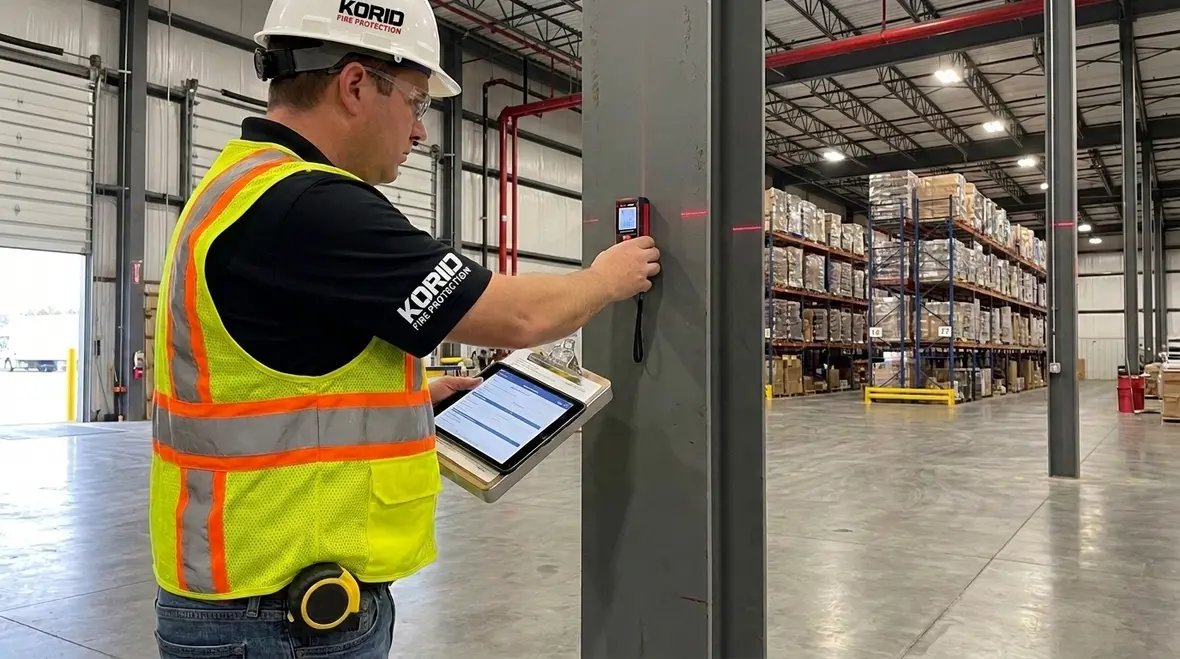
- Measured field conditions documented during inspections or impairment checks, where measuring tools and reporting formats differ from the original drawings.
Commercial compliance teams often assume that minor rounding will not matter. In NFPA 36 calculations, rounding rules should follow the code’s conventions and the facility’s documented calculation method. If the code or the referenced standard does not specify a rounding approach, the safest practice is to use the most conservative value consistent with good engineering practice and maintain an audit trail.
NFPA 36 Units Formulas SI Inch-Pound Conversions: Avoid These Compliance Traps
Unit conversion errors are among the most common root causes of rework and inspection findings. Even experienced engineering teams can introduce discrepancies when switching between SI and inch-pound tool outputs, especially where equipment specifications or measurement documentation are stored in different units.
1) Convert before calculating, not after
When a calculation uses multiple measured values, each value should be converted to a consistent system before entering formulas. A pattern seen during plan review is converting only the final result, which can create mismatches with the code reviewer’s approach.
2) Control rounding and significant figures
Converters in spreadsheets can round intermediate steps. This can shift a computed compliance result near a threshold. For operational safety documentation, Kord Fire Protection recommends using a calculation method that preserves sufficient precision and captures the conversion constants used.
3) Verify measuring equipment calibration and reporting units
Facilities often document measurements using different tools and formats across departments. A warehouse may log dimensions in feet and inches, while engineering stores drawings in millimeters. Field verification and maintenance records must match the units used in the compliance basis.
4) Watch manufacturer data that mixes units
Fire protection equipment submittals, labels, and installation instructions may contain mixed-unit values. Teams should ensure that any dimension used in compliance formulas aligns with the correct unit system and conversion basis.
To strengthen external coordination, facility owners and contractors benefit from a consistent internal conversion SOP. Kord Fire Protection can support compliance readiness by aligning inspection documentation, impairment records, and field verification practices with the same unit conventions used in design review and commissioning activities.
Operational Procedures: How Units and Formulas Affect Ongoing Inspection Readiness
Even when a facility is built correctly, unit handling issues can surface during inspections, preventive maintenance, and operational change management. NFPA 36 Section 1.6 becomes operational when maintenance teams must verify that conditions remain consistent with the code basis used during approval.
Maintenance documentation that passes scrutiny
Commercial facilities should require that inspection and maintenance forms capture:
- Measurement units used in the field
- Calculated values derived from formulas, including the conversion approach
- Photos or sketches tied to the measured coordinates or dimensions
- Calibration status of measurement tools, when measuring is integral to compliance
Common failure points
- Stored spreadsheets with hidden unit assumptions that no longer match revised drawings.
- Reracked storage where aisle widths, separation distances, or area calculations change, but documentation is not updated.
- Converted signage and label placements where the physical layout is changed without revalidating dimensions.
Kord Fire Protection supports commercial facility teams by integrating measurement discipline into routine compliance workflows. This reduces the likelihood of repeat corrective actions and improves inspection outcome predictability for industrial and retail environments with high turnover in storage arrangements and maintenance contractors.
Commercial Compliance Standards: Align Drawings, Field Conditions, and Review Expectations
Commercial fire safety compliance depends on consistency. NFPA 36 units formulas SI inch-pound conversions must align across the chain from design calculations to field verification. When those links break, the result is not only documentation gaps. It can also lead to physical nonconformance that drives costly adjustments.
Practical alignment workflow
- Lock the unit basis for the project and require that all calculations state the units system used.
- Standardize conversion constants and rounding in a controlled calculation template.
- Verify field measurement unit selection and ensure field notes match the calculation basis.
- Revalidate after change when storage layouts, equipment placement, or rack configurations change.
When teams need a strong partner to manage recurring compliance tasks, Kord Fire Protection brings field tested processes for inspection support, maintenance planning, and documentation quality control.
If your site is preparing for a broader review, Kord Fire Protection’s commercial fire safety audit process gives a practical look at how documentation, walkthrough observations, and corrective action planning work together when inspection readiness actually matters.
Frequently Asked Questions
Call to Action
To reduce inspection delays caused by unit conversion and formula calculation discrepancies, standardize your NFPA 36 documentation workflow and validate field measurements against the unit basis used in design. Kord Fire Protection can support ongoing compliance through inspection readiness reviews, maintenance process alignment, and documentation controls. Contact Kord Fire Protection today to strengthen measurement discipline, reduce repeat findings, and maintain dependable code compliance across commercial operations.

Join Our Newsletter!
Get the latest fire safety tips delivered straight to your inbox From our Newsletter.



