
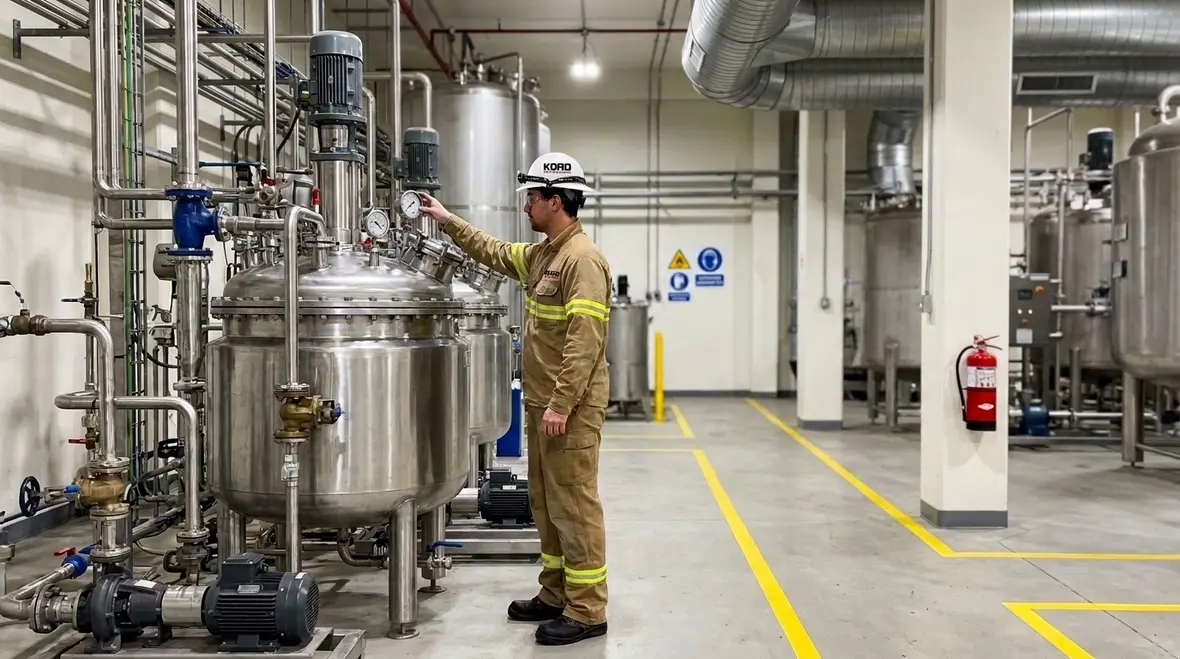
NFPA 36 Section 4.1 Scope: General Requirements for Solvent Extraction
Quick Answer
NFPA 36 Section 4.1 establishes the baseline general requirements that govern how solvent extraction facilities plan, install, operate, inspect, and maintain solvent systems. It focuses on hazard prevention, compatible equipment, fire protection readiness, and disciplined operating practices across the entire extraction process.
For facilities tightening documentation and system readiness, related commercial fire alarm services in Southern California can support inspection planning, testing coordination, and compliance-focused maintenance.
Why “NFPA 36 general requirements scope” matters for solvent extraction facilities
Commercial, industrial, and retail facilities that operate or host solvent extraction processes rely on NFPA 36 to control fire and explosion hazards associated with flammable liquids and vapor space ignition sources. The NFPA 36 general requirements scope in Section 4.1 sets expectations that extend beyond individual components. It frames how the facility must manage overall system safety, from installation and operating controls to inspection and maintenance.
In practice, regulators and insurers evaluate whether a facility operates as a unified fire and process safety system. Facilities often have the right equipment on paper but fail to maintain the supporting conditions that NFPA 36 expects, such as integrity of seals, ventilation performance, safe shutdown procedures, and dependable detection or extinguishing arrangements.
What Section 4.1 requires at the facility level (not just equipment)
NFPA 36 Section 4.1 focuses on “general requirements” that apply broadly to solvent extraction operations. While the exact clause language varies by edition, the intent stays consistent: the facility must prevent the release and ignition of flammable vapor and maintain fire protection effectiveness over time.
1) Hazard management as an operating system
Facilities must treat solvent handling and extraction like a controlled process with defined safeguards. The scope generally drives compliance expectations around:
- Appropriate design and placement of solvent containers, piping, tanks, and extraction equipment
- Control of ignition sources in areas where flammable vapors can accumulate
- Operating discipline that limits unsafe transients, such as abnormal temperatures, open transfer practices, or unapproved bypasses
- Training and documented procedures that support consistent operation
2) Maintenance and inspection readiness
General requirements typically include the premise that safety depends on continued performance. That means inspections must be planned, documented, and acted upon. Common maintenance gaps include failed or degraded seals, blocked vents or drains, damaged gaskets on solvent connections, malfunctioning interlocks, and corrosion that undermines mechanical integrity.
From a fire safety standpoint, the facility must be able to demonstrate that protective measures remain effective. That is where ongoing service and lifecycle maintenance become critical for commercial sites.
3) Compatibility of systems and materials
Solvent extraction creates chemical and thermal conditions that can degrade non compatible materials and compromise containment. The scope generally supports selecting compatible components and ensuring that repairs return the system to safe, approved conditions. Replacing a gasket or hose with an incorrect material can create a failure path even if the hardware looks correct at a glance.
How solvent extraction fire risk shows up in real inspections
Section 4.1 intent becomes visible during inspections because many failures are operational or maintenance related rather than design related. Typical risk patterns include vapor accumulation, ignition source exposure, and uncontrolled releases of solvent.
Common failure points that drive noncompliance findings
- Inadequate controls for solvent transfer and storage. Poorly managed transfer points, missing spill control practices, or unapproved container conditions.
- Blocked or underperforming ventilation. Vapor spaces depend on airflow and exhaust effectiveness. Blockages, fan degradation, or incorrect damper positions can defeat the control strategy.
- Compromised seals and fittings. Leaks often originate at gaskets, flange connections, sample ports, instrument tubing, and flexible sections.
- Interlock bypass or incomplete testing. Facilities sometimes continue operation after alarms or interlock faults without restoring safe conditions first.
- Outdated or incomplete operating procedures. Procedures that do not match the current equipment configuration increase the risk of unsafe operation.
These findings align with the goal of NFPA 36 general requirements scope: keeping the entire system capable of preventing ignition and controlling the consequences of flammable vapor release.
Procedural controls and inspection discipline you can audit
To stay aligned with Section 4.1 general requirements, facilities should be able to show practical evidence. Auditable documentation is often as important as physical equipment because it proves the facility maintains safety performance between inspections.
What auditors usually look for during walkthroughs
- Clear identification of solvent system boundaries and hazard areas, including signage and controlled access
- Condition of enclosures, ducting, exhaust components, and routes that maintain vapor control
- Evidence that housekeeping supports safe operation, such as controlling residue and managing spills
- Review of recent maintenance records, including corrective actions for recurring issues
- Verification that emergency controls can be initiated as designed
Inspection frequency and corrective action
General requirements commonly support inspection and maintenance schedules that match the actual risk level and operating intensity. High frequency solvent handling, frequent equipment cycling, and harsh chemical exposure justify more stringent checks. The key compliance expectation is that deficiencies trigger timely correction, not temporary workarounds.
As a practical service partner, Kord Fire Protection supports commercial sites with inspection planning, impairment prevention strategies, and documentation support that helps maintain ongoing readiness. That reduces the likelihood that a small maintenance defect becomes a major compliance finding.
For additional guidance on fire protection system readiness and inspection planning, review commercial fire alarm services in Southern California.
Integrating Section 4.1 with surrounding compliance expectations
NFPA 36 Section 4.1 provides general guardrails that link to other safety systems and operational requirements. Facilities typically must coordinate solvent extraction controls with electrical safety, hot work management, emergency response preparedness, and detection and suppression arrangements where required by the governing scope.
Commercial facility integration challenges
In commercial and industrial environments, solvent extraction can coexist with maintenance activities, retail traffic, or multi tenant operations. This increases the need for disciplined change management and hazard communication:
- Hot work controls around extraction equipment and vapor spaces
- Electrical maintenance procedures that protect ignition source controls
- Labeling and access control to keep ignition sources separated from hazard zones
- Coordination of contractor work so modifications do not create untracked risk
Facilities that treat Section 4.1 as a standalone check often underperform. The more effective approach connects general requirements to day to day operational controls and maintenance workflows.
Frequently Asked Questions
Next step: get your solvent extraction systems audit-ready
Review your current maintenance records, inspection intervals, and operating procedures against the expectations set by NFPA 36 Section 4.1. Then align testing and documentation to ensure continued effectiveness between inspections. Contact Kord Fire Protection to schedule a compliance focused assessment and build an ongoing service plan that supports safer solvent extraction operations and stronger audit outcomes.

Join Our Newsletter!
Get the latest fire safety tips delivered straight to your inbox From our Newsletter.



