
NFPA 34 Section 6.3: Class I Electrical Area Classification for Open Processes
Quick Answer
NFPA 34 Section 6.3 applies when Class I hazardous atmospheres can form around open processes that handle flammable gases or vapors. It requires defining hazardous locations based on release points, ventilation, zoning, and equipment suitability, then maintaining those conditions through inspection and maintenance.
For a broader compliance and documentation lens that fits naturally with this topic, see fire safety system documentation for compliance. It is a useful companion when hazardous area decisions need to stay defensible long after the drawing set stops feeling fresh.
What NFPA 34 Section 6.3 Covers for Open Processes
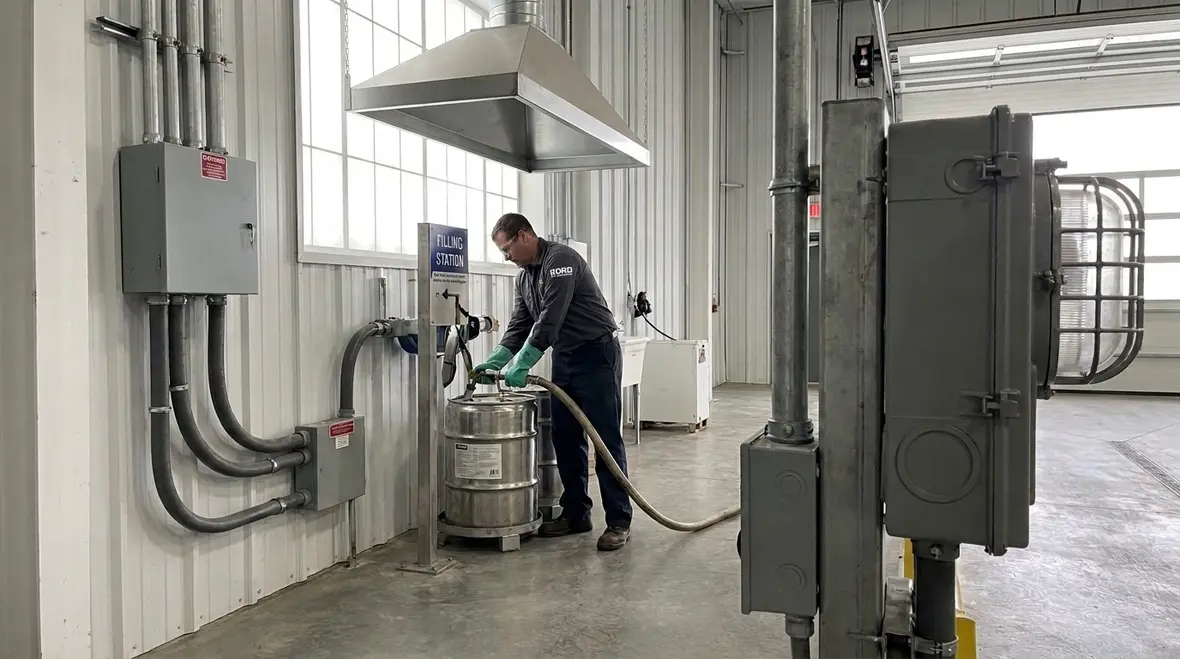
NFPA 34 Section 6.3 addresses how to determine Class I electrical area classification for conditions created by open processes. In practical terms, an “open process” typically includes operations where flammable liquids, flammable gases, or volatile solvents can escape into the work area, creating ignitable concentrations. The risk becomes operationally real at release points such as open tanks, open piping, drum or container transfer, charging and discharging stations, solvent cleaning stations, and vents where vapors can mix with air.
For facilities handling volatile materials, NFPA 34 Class I electrical area classification open processes determines where ignition capable electrical equipment is permitted, restricted, or required to be protected. This classification directly affects lighting, motors, wiring methods, junction boxes, switches, receptacles, and any electrical device that could ignite the atmosphere through sparks, hot surfaces, arcing, or abnormal temperatures.
How Open Processes Create Hazardous Atmospheres (Operational Mechanics)
Open processes generate hazardous atmospheres through controlled and uncontrolled releases. The typical release mechanisms include:
- Evaporation from exposed liquid surfaces during normal operation.
- Breathing losses from vents, pressure relief devices, or tanks with vapor space.
- Transfer losses during filling, decanting, draining, or connecting hoses.
- Spill and residue vaporization from minor spills, wet floors, or contaminated gaskets.
- Ventilation disruption that increases vapor accumulation near the work.
In commercial and industrial settings, facility layout and process discipline matter as much as the chemistry. Even when the chemical used is unchanged, changes in routing, door positions, loading schedules, or maintenance practices can alter vapor concentration profiles and hazardous location boundaries. These operational changes can turn a previously controlled area into one that no longer meets the same assumptions used to classify the space.
A common compliance failure point is treating “open” as a static condition. In reality, open processes vary by task phase. For example, vapor release can spike during connecting and disconnecting hoses, but remain minimal when equipment is sealed and operating under closed-loop transfer.
Classifying Open Process Areas: What Drives the Hazardous Location Boundary
NFPA 34 Section 6.3 requires classification that reflects how vapors disperse. Classification is not a one time drawing exercise. It depends on release rate, vapor properties, and the effectiveness of ventilation under normal and foreseeable abnormal conditions.
Key factors typically used in hazard classification
- Type of material and whether the substance forms ignitable mixtures with air.
- Release characteristics such as continuous, intermittent, or occasional releases.
- Extent of dispersion based on airflow patterns, distance from release, and turbulence.
- Ventilation design and performance including make up air and exhaust capture.
- Work practices such as transfer procedures, hose handling, and spill response.
- Time dependence based on how long releases occur during operation.
For many facilities, the operational boundary becomes most sensitive around transfer operations and localized ventilation. If the area classification used for equipment selection assumes effective capture at the source, then any maintenance issue that reduces airflow can shrink that performance margin and expand the hazardous zone.
Facility teams often need to align electrical classification with other safety documents, including process hazard analyses, flammable inventory management, and ventilation verification. When these documents conflict, the electrical classification can become difficult to defend during an inspection.
Equipment Selection and Installation Requirements That Survive Real Inspections
Once the hazardous location boundaries are established, the facility must ensure electrical equipment is suitable for the classified environment. In open process areas, the most common issues arise from “near miss” installations that meet spec on paper but fail in the field.
Common equipment and installation pain points
- Inadequate protection of luminaires and switches that were installed outside the intended zone but later moved or surrounded by vapor release patterns.
- Improper seals and fittings at conduit entries that allow vapor migration.
- Unverified cable glands or connector compatibility during panel upgrades or lighting retrofits.
- Use of non suitable attachments such as temporary lights, extension cords, or incorrect junction boxes during maintenance.
- Ventilation dependent classification that lacks a documented performance verification program.
Even when equipment is rated correctly, installation details matter. Temperature class, ingress protection, sealing practices, and matching thread or mounting standards drive whether a system performs as intended when exposed to normal operation and foreseeable upset conditions.
For ongoing compliance, Kord Fire Protection supports facilities with practical inspection and maintenance pathways that reduce the likelihood of electrical classification drift over time. This includes verifying that devices remain in serviceable condition and that field changes do not undermine the basis of the hazardous location study.
To reinforce broader fire and life safety coordination, facilities may also consult Kord Fire Protection for integrated inspections aligned to commercial and industrial compliance expectations. For related guidance, see fire protection compliance auditing.
Inspection, Documentation, and Maintenance: Keeping the Classification “Current”
A hazardous location classification for open processes can become outdated as soon as the facility changes. NFPA 34 requirements demand that the facility maintain conditions consistent with the classification basis. In practice, that means a documented process for reviewing changes and verifying ventilation performance.
What commercial facility teams should implement
- Change control for process and electrical: Any change in chemicals, inventory size, vent routing, transfer method, or ventilation capacity triggers review.
- Ventilation verification: Maintain capture performance and airflow rates. Track filter replacement and fan operational health.
- Maintenance of hazardous equipment: Use inspection checklists for covers, gaskets, seals, and conduit integrity.
- Task based controls: Ensure procedures for connecting hoses, opening containers, and shutdown handling reflect the classification assumptions.
- Field auditing: Confirm temporary or ad hoc electrical setups never operate in classified zones without appropriate protection.
Commercial and retail facilities often experience classification challenges when operations expand. For example, a modest increase in solvent use may be treated as a minor operational tweak, but it can increase vapor release duration and concentration profiles. Without reassessment, the electrical equipment boundary can no longer represent actual hazardous conditions.
Kord Fire Protection helps facilities keep hazardous area controls aligned with day to day operations through recurring compliance support. This reduces downtime risk and strengthens defensibility during audits by addressing common deterioration paths before they become nonconformities.
Frequently Asked Questions
Conclusion and Call to Action
NFPA 34 Section 6.3 classifications for open processes demand accurate boundaries, correct electrical equipment selection, and sustained ventilation and maintenance discipline. Facilities that treat classification as a static document usually pay later through inspection findings, rework, or operational downtime. Kord Fire Protection can support ongoing compliance with practical inspection, testing, and maintenance pathways that help keep your electrical safety program aligned with real field conditions. Schedule a compliance review to confirm your open process electrical area classifications remain defensible.
If you need service support, visit Kord Fire Protection.

Join Our Newsletter!
Get the latest fire safety tips delivered straight to your inbox From our Newsletter.



