
NFPA 34 Section 6.2: General Rules for Controlling Ignition Sources
Quick Answer: NFPA 34 Section 6.2 sets operational and housekeeping requirements to minimize ignition sources in flammable and combustible processing and handling spaces. The rules focus on controlling hot surfaces, electrical and mechanical failures, smoking and open flames, and equipment condition to prevent fires and explosions.
For facilities building a stronger inspection and maintenance framework around reliability, it is worth reviewing fire pump testing protocols for reliable industrial uptime, especially where documentation discipline and equipment condition control have to work together every day.
Why NFPA 34 ignition source control general rules matter in real facilities
Facilities that process, handle, or store flammable liquids, flammable gases, or combustible dust rely on strict ignition source control to reduce the probability that a credible ignition event can occur. In practice, the NFPA 34 ignition source control general rules in Section 6.2 do not operate as a single checklist item. They require continuous controls, verification, and maintenance across daily operations, equipment management, and housekeeping. The compliance challenge is often not the initial design, but drift over time due to maintenance shortcuts, unaddressed defects, and undocumented operational changes.
Section 6.2 intent: control ignition energy, frequency, and exposure time
NFPA 34 Section 6.2 establishes general rules intended to prevent ignition sources from being present or from becoming effective ignition sources. A robust compliance program treats ignition control as a layered management system:
- Remove or reduce ignition sources through process controls and equipment selection.
- Limit ignition source effectiveness by controlling temperature, impact energy, arcing potential, and flame presence.
- Reduce exposure time by maintaining normal operations, preventing abnormal conditions, and rapidly responding to out of service equipment.
Commercial and industrial facilities commonly fail compliance not because ignition rules are unknown, but because ownership and documentation are unclear. For example, electrical hazards may be managed by a facilities department, hot work by another contractor, and inspections by yet another team. Section 6.2 requires that control measures remain consistent across those operational boundaries.
What the general rules cover: ignition sources you must manage every day
Hot surfaces and abnormal temperature conditions
Many ignition scenarios begin as a temperature control failure. Common contributors include overheated bearings, misaligned belts, failing motors, blocked ventilation, and improper lubrication. NFPA 34 ignition source control general rules align with the expectation that equipment operates within safe temperature limits and that abnormal conditions trigger intervention.
Operational best practice: implement temperature and condition monitoring where practical, and ensure maintenance procedures address root causes rather than replacing components without correcting underlying causes such as misalignment or contamination.
Mechanical friction, impact, and sparks
Friction and impact can generate sparks and sufficient radiant heat to ignite flammable vapors or combustible materials. Typical failure points include worn guards, damaged couplings, loose fasteners, and mismanaged material handling equipment.
- Prevent impact from foreign objects by maintaining strainers, screens, and verified housekeeping around transfer points.
- Control friction by replacing worn components on schedule and verifying belt tension and alignment.
- Eliminate loose debris that can migrate into rotating or friction-prone areas.
Flames, smoking, and open ignition in controlled areas
Ignition control includes strict management of flame sources such as smoking and open flames, and it extends to how facilities handle routine work that may create ignition risk. Compliance relies on visible controls, disciplined permissions, and documented procedures for hot work or any task that can produce flames or sparks.
Commercial facility reality: retail and light industrial sites often allow after-hours maintenance, vendor work, or unsupervised repairs unless permit systems and contractor controls are enforced consistently. That is where Section 6.2 expectations are hardest to sustain.
Electrical arcing, fault conditions, and wiring integrity
Electrical ignition sources can occur when circuits fault, connections loosen, grounding fails, or equipment is installed or maintained improperly. Ignition source control general rules require that electrical hazards remain controlled and that equipment used in hazardous locations continues to perform as intended.
Key compliance mechanisms include:
- Maintaining proper hazardous location classification alignment with installed equipment.
- Verifying enclosures remain intact, seals and gaskets remain functional, and conduit practices remain correct.
- Ensuring electrical protective devices and inspection schedules address wear, corrosion, and operational drift.
When facilities lack consistent inspection and documentation, defects can persist across inspection cycles, especially after renovations, temporary power, or equipment replacements.
Static electricity and transfer operations
Static discharge is a frequent ignition concern in flammable liquid transfer, vapor generation, and certain handling processes. Controls often include bonding and grounding practices, conductive hoses or components where appropriate, and procedures that prevent excessive charge buildup.
Practical failure points include damaged bonding jumpers, improperly attached grounding clamps, and hoses not replaced with the correct conductive type after damage. Section 6.2 general rules require that these controls stay effective, which depends on training, verification, and maintenance discipline.
How to implement Section 6.2 controls: inspections, maintenance, and verification
NFPA 34 ignition source control general rules function best when implemented as a documented program with verification. Many facilities track inspections, but they do not track effectiveness. The most defensible compliance programs connect ignition controls to observable conditions and documented corrective actions.
Build a site-specific ignition source control matrix
Create a matrix mapping potential ignition sources to controls, inspection frequencies, responsible roles, and acceptance criteria. Examples include:
- Housekeeping inspections at transfer points and near ignition-prone equipment.
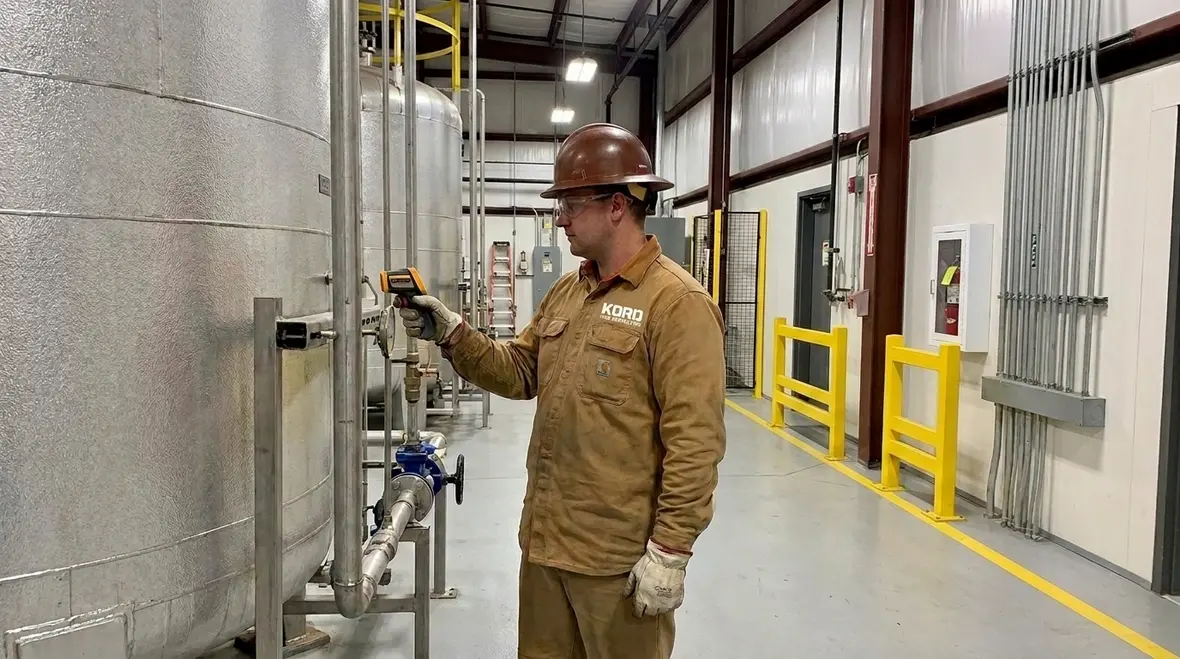
- Thermographic or condition checks for motors, bearings, and electrical panels.
- Verification of bonding and grounding procedures for transfer operations.
- Hot work permitting controls including supervision and post-work verification.
Train operators and contractors with “failure mode” clarity
Training should focus on how ignition sources fail, not only what the policy says. Operators should understand what changes trigger stop work, such as unusual heat, unexpected odors, sparking, arcing indicators, and abnormal equipment noise or vibration.
Contractors present the highest risk for control drift. Ensure vendor work orders reference required ignition controls and that contractor equipment and methods meet your hazardous location expectations.
Use corrective action that reaches the root cause
Common corrective actions fail because they address the symptom. For example, replacing a damaged component without correcting misalignment still leaves friction and heating risk. A strong program closes the loop with root cause analysis, documented verification, and trending of repeat findings.
For ongoing compliance support, Kord Fire Protection helps commercial and industrial facilities maintain ignition source controls through practical inspection programs, maintenance support coordination, and documentation practices that withstand audits and operational reviews. If you want additional context on testing discipline that supports ongoing readiness, review the fire pump testing and certification process.
Where facilities commonly fall short (and how to prevent repeat violations)
Even well-designed facilities can drift out of compliance. The most common gaps tend to cluster around documentation, equipment condition, and permission controls.
Housekeeping inconsistencies at ignition-prone boundaries
Dust accumulation, debris near electrical components, or residues near process transfer points can create ignition pathways and fuel an incident. Drift often happens because cleaning is treated as a routine chore rather than a safety critical control.
Out of service equipment or “temporary” modifications
Temporary repairs become permanent. Miswired connections, bypassed protections, and improvised fittings introduce ignition risk. NFPA 34 ignition source control general rules require that equipment stays in a safe operating condition and that changes do not degrade ignition control.
Hot work permissions without disciplined verification
Hot work controls fail when pre-work area verification is incomplete, when combustible materials are not secured or removed, or when post-work monitoring is skipped. The ignition source rule expectations extend beyond the moment of welding or cutting.
Lack of hazardous location equipment stewardship
Facilities may have compliant equipment at installation, but later replacements may not match original hazardous location requirements. The result is uncontrolled ignition potential when electrical or enclosure integrity fails.
Audit-ready documentation: what auditors and insurers expect to see
NFPA 34 ignition source control general rules are judged by evidence of implementation. Facilities should keep documentation that shows:
- Hazard identification and how controls map to ignition source types.
- Inspection and testing records with dates, results, and corrective actions.
- Maintenance records supporting condition-based or scheduled upkeep of ignition-prone equipment.
- Hot work and permit controls including authorization criteria and verification steps.
- Training records for operators and contractors aligned with site hazards.
When documentation is incomplete, even strong operational controls can be judged insufficient. Kord Fire Protection supports commercial facility teams by helping organize inspection workflows and by reinforcing practical documentation that aligns with ongoing operations, not just initial installation.
Frequently Asked Questions
Take control of ignition source risk now
NFPA 34 ignition source control general rules succeed when controls stay effective through inspections, maintenance, and disciplined work permissions. Commercial facilities that want fewer audit findings and stronger incident prevention should conduct a targeted ignition source control review and strengthen documentation and corrective action processes. Contact Kord Fire Protection to schedule an assessment and build an actionable, audit-ready program tailored to your operations.

Join Our Newsletter!
Get the latest fire safety tips delivered straight to your inbox From our Newsletter.



