
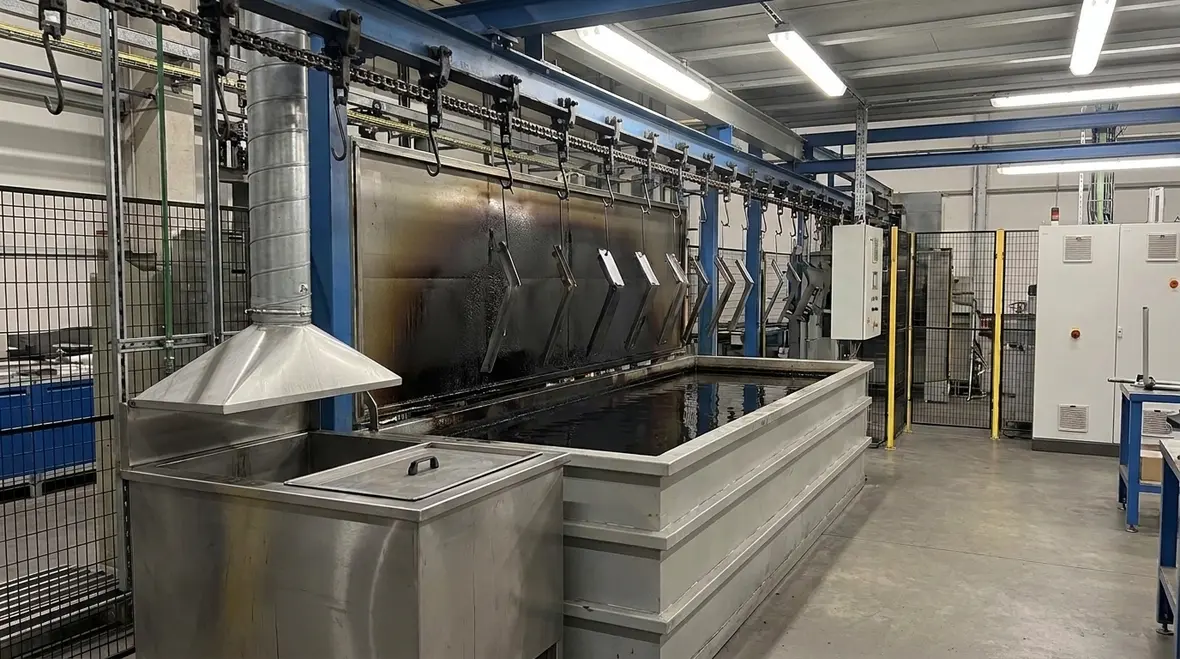
NFPA 34 Section 5.9: Conveyor Systems Serving Dipping and Coating Processes
Quick Answer
NFPA 34 Section 5.9 sets fire protection and life safety requirements for conveyor systems used in dipping and coating operations. Compliance focuses on controlling ignition sources, maintaining fire-resistant integrity, managing flammable liquid hazards, and ensuring reliable inspection, testing, and maintenance of conveyor components.
Why NFPA 34 conveyor system requirements dipping coating matter in real facilities
In commercial, industrial, and some retail manufacturing environments, dipping and coating lines create controlled pathways for moving parts through flammable and combustible liquid exposure. NFPA 34 conveyor system requirements dipping coating address how those pathways behave during normal operation and credible abnormal conditions such as leaks, spills, misalignment, jam events, and component failures. The compliance goal is simple: reduce the likelihood that a conveyor system becomes an ignition source or promotes fire spread.
Conveyor lines often integrate heating, drying, solvent recovery, spray or dip tanks, ventilation ducting, and electrical controls. Each integration increases failure complexity. A fire safety plan that only covers tanks or burners, while overlooking the conveyor system, commonly misses ignition pathways created by friction, localized overheating, damaged insulation, or unprotected electrical enclosures.
What Section 5.9 expects from conveyor design and placement
NFPA 34 Section 5.9 concentrates on conveyor systems that serve dipping and coating processes, including equipment that moves parts into, through, and out of hazardous areas. Typical compliance challenges arise from the conveyor’s physical route and the way it interfaces with dip tanks, quench stations, wash steps, drying zones, and material handling platforms.
For facilities aligning code requirements with ongoing inspection and maintenance support, it helps to review fire suppression system services alongside conveyor area protection planning.
Conveyor route control around hazardous liquid zones
Conveyor systems must be arranged so that flammable liquid vapors, mists, or residues do not accumulate in ways that expose ignition sources. This requirement becomes practical as lines age and residue buildup increases on rollers, skirts, bearings, and drive housings.
- Limit stagnant zones where vapors and residue can pool.
- Verify clearance between moving parts and fixed structures that can trap deposits.
- Ensure access for inspection of high-risk locations such as bearings and drive connections.
Material selection, thermal behavior, and hot surface control
Conveyors and their components operate near heated stages or within vapor environments. Compliance requires an approach that controls hot surfaces, prevents overheating of moving parts, and maintains safe operating temperatures for bearings, motor housings, and gear systems. Facilities often underestimate how quickly friction heat can increase during misalignment, belt slip, or chain stretch.
- Use components rated for the environment and temperature exposure.
- Protect bearings and gearboxes from liquid contamination and vapor ingress.
- Confirm guarding prevents contact between parts and stationary heated surfaces.
Operational hazards: where conveyor systems commonly fail during dipping and coating
Most conveyor-related fire risk does not come from a single dramatic failure. It emerges through recurring operational issues that slowly shift the system toward hazardous conditions.
Friction ignition from jams, buildup, and misalignment
During production cycles, residues can accumulate on conveyor members, sprockets, rollers, and track systems. When residues build, friction increases. A jam or partial jam can then produce localized overheating. If that overheating couples with vapor concentrations from dipping or coating, ignition risk rises sharply.
- Track jam frequency and root causes, not only downtime duration.
- Implement cleaning intervals aligned to production volume and liquid chemistry.
- Inspect alignment during planned shutdowns, not just after failures.
Electrical ignition sources and damaged insulation
Conveyor drives, controls, and sensors typically sit in or near hazardous zones. Damaged wiring insulation, compromised cable glands, or water and solvent intrusion can create sparking, arcing, or hot spots. Commercial facilities also face schedule pressure that reduces downtime for corrective maintenance, increasing the chance that minor damage persists.
- Verify enclosures and fittings maintain intended integrity.
- Confirm electrical ratings match the zone classification strategy.
- Use documented inspections of cable routing and strain relief points.
Leak and spill interaction with moving mechanisms
Dip tanks and coating stations can leak from pumps, hoses, fittings, seals, and overflow management systems. When leakage reaches the conveyor system, it can coat bearings, degrade rotating components, and carry flammable residue to locations that later experience heat or sparks.
- Establish spill control and rapid cleanup procedures for conveyor-adjacent areas.
- Ensure drip and containment features direct liquid away from electrical and mechanical ignition sources.
- Track seal and hose degradation as a leading indicator of conveyor hazard growth.
Inspection, testing, and maintenance: the compliance engine behind Section 5.9
NFPA 34 conveyor system requirements dipping coating cannot be satisfied by design paperwork alone. Compliance depends on documented inspection and maintenance that verifies the conveyor system continues to perform as intended throughout its service life.
Routine inspection points that prevent fire events
Facilities should develop inspection routes that mirror the highest-risk mechanisms. Inspections should check mechanical condition, electrical integrity, cleanliness, and operating parameters.
- Bearings, shafts, and drive couplings for heat discoloration or abnormal wear.
- Rollers, sprockets, tracks, and belt or chain tension for slip or stretch.
- Electrical enclosures for solvent intrusion, corrosion, and damaged gaskets.
- Guards for integrity and correct placement around moving and hot components.
- Drip trays, skirting, and containment for cracks, clogging, and proper routing.
Cleaning and residue control as a fire prevention method
Dipping and coating environments accumulate combustible residues. Cleaning needs to match the hazard profile of the liquids used. Residue removal must not create new ignition risks by using inappropriate methods around energized systems or flammable vapors.
- Use approved cleaning practices compatible with the coating or solvent chemistry.
- Document cleaning frequency, responsible roles, and acceptance criteria.
- Verify ventilation controls during cleaning activities in hazardous areas.
Commercial compliance strategy: documenting conformity in inspections and audits
In day-to-day operations, compliance typically gets challenged during insurance reviews, internal audits, and authority having jurisdiction inspections. NFPA 34 conveyor system requirements dipping coating should show up as practical evidence, not only as cited code sections.
What auditors and inspectors look for
Expect scrutiny on how the facility manages changes. When processes shift, conveyor duty cycles change, and residue patterns change. A strong compliance package includes:
- As-built conveyor drawings showing routes through dip and coating zones.
- Maintenance records for mechanical and electrical components.
- Inspection checklists with corrective action documentation.
- Hot work and cleaning procedures that address flammable vapor control.
- Training records covering abnormal operations, jam response, and leak response.
Partnering for ongoing protection with Kord Fire Protection
Kord Fire Protection supports commercial facilities by helping maintain defensible compliance through inspections, testing coordination, and service planning. This partnership approach is especially valuable when multiple trades are involved, including electrical contractors, mechanical maintenance teams, and process engineers. A consistent fire safety service cycle helps ensure that conveyor risk does not drift upward between formal evaluations.
If the facility wants a structured, ongoing approach to code-aligned fire protection support, Kord Fire Protection can help translate requirements into repeatable field verification. For related information that often overlaps with conveyor area protection planning, review Kord Fire Protection services or explore NFPA 34 Section 1.5 equivalency for coating and dipping.
Frequently Asked Questions
Next steps: build a defensible compliance plan
Facilities serving dipping and coating should review the conveyor system’s design route, inspect high-risk mechanical and electrical components, and verify cleaning and spill control practices are documented and effective. Then confirm your NFPA 34 conveyor system requirements dipping coating program matches current operating conditions, not only original installation. Contact Kord Fire Protection to support ongoing inspection, testing coordination, and maintenance planning so conveyor-related ignition risk stays controlled year-round.

Join Our Newsletter!
Get the latest fire safety tips delivered straight to your inbox From our Newsletter.



