
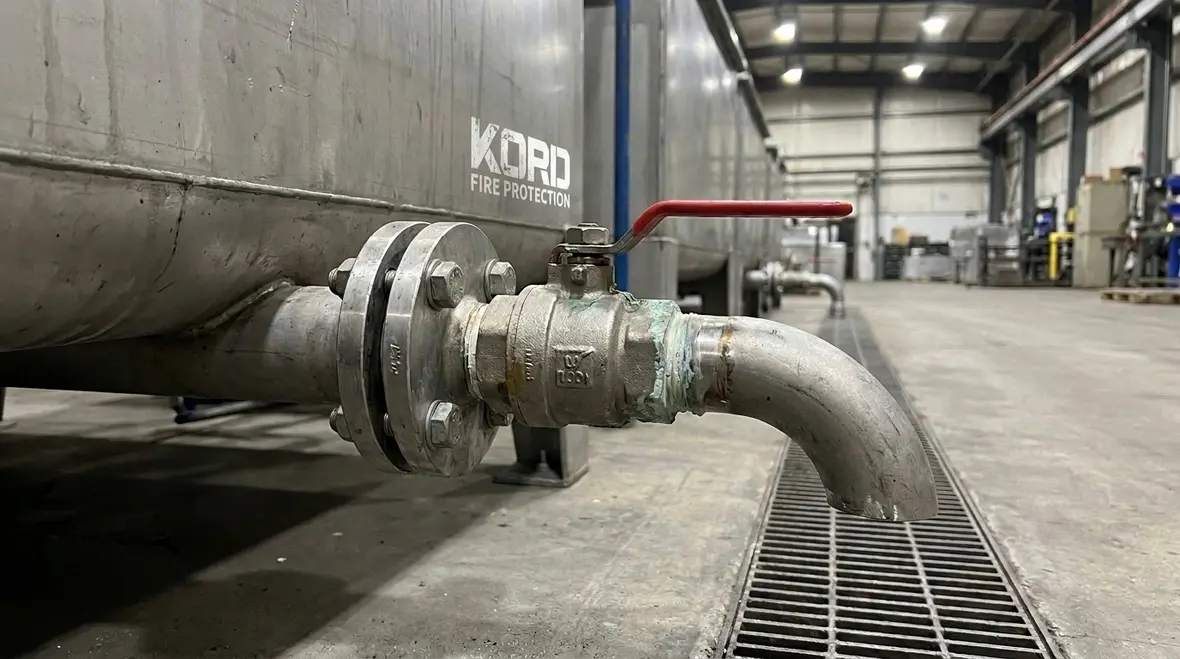
NFPA 34 Section 5.7: Bottom Drains for Dipping and Coating Tanks
Quick Answer: NFPA 34 tank bottom drain requirements focus on controlling ignition sources, managing flammable liquid discharge, and ensuring drains do not become unsafe pathways for fire. Section 5.7 requires specific drain configurations, closures, and operating features tied to dipping and coating tank hazards.
Facilities working through related code scope and system boundary questions can also review NFPA 34 Section 1.3 application requirements for covered installations to connect bottom drain decisions with the rest of the dipping and coating system.
Why NFPA 34 tank bottom drain requirements matter in real facilities
Bottom drains in dipping and coating operations look simple, but they create high risk when they leak, clog, or allow vapor escape. At commercial and industrial facilities, technicians often treat drains as routine maintenance points rather than active life safety components. NFPA 34 tank bottom drain requirements change that mindset by requiring designs and controls that prevent flammable liquid and vapor movement into areas where ignition can occur.
For facilities with multiple shifts, frequent batch changes, and seasonal line changes, the operational reality is that drains operate under stress: sludge buildup, gasket aging, and corrosion. Each of these common failure points can turn a compliant system into a noncompliant ignition hazard. Kord Fire Protection helps owners maintain ongoing compliance through inspection, testing support, and documentation readiness.
What Section 5.7 expects: functional goals of bottom drain systems
NFPA 34 Section 5.7 is written around the consequence of uncontrolled drainage. During operation, the tank contains flammable liquids and associated vapors. During draining, transfer, and maintenance, the hazard profile shifts. NFPA 34 tank bottom drain requirements therefore emphasize:
- Containment of flammable vapors by limiting uncontrolled venting and open discharge paths.
- Safe discharge routing into a controlled system rather than onto the floor, into pits not rated for the hazard, or into drainage routes that ignite.
- Reliable closure and control so the drain does not become a permanent leak or an open penetration.
- Mechanical reliability for valves, seals, and connections so the drain performs the same way each time.
In practice, this means compliant bottom drain systems behave predictably through at least three modes: normal operation, scheduled draining, and emergency or upset conditions where the facility must avoid ignition pathways.
Core compliance elements: drains, closures, and discharge control
Although tank configurations vary by process and vessel geometry, compliant designs typically use controlled drain points, closures, and discharge connections that prevent ignition from reaching the tank hazard. Facilities typically document how each drain point is built, how it is operated, and how it is verified during inspections.
1) Drain openings and penetration integrity
The tank bottom drain system must maintain tank integrity. Corrosion at the drain penetration, loose flanges, or damaged liners can bypass containment and create persistent seepage. Seepage is not just a housekeeping issue; it fuels vapor generation and can degrade nearby seals and gaskets.
2) Closures that prevent uncontrolled flow
Closures include valves, plugs, caps, or other sealing mechanisms. Compliance focuses on keeping the drain closed when the tank is operating or when draining is not actively occurring. Where operations require intermittent draining, the closure system must still prevent vapor escape and prevent flammable liquid from leaking into areas that can accumulate ignition-prone residue.
Common commercial failure points include hardened elastomers, warped valve seats, and improvised replacements that do not match chemical compatibility requirements. A short inspection cycle can miss degradation until the first high load batch or temperature swing.
3) Discharge routing that avoids unsafe exposure
NFPA 34 tank bottom drain requirements also consider where the liquid goes. A safe drain system uses a discharge route designed for the flammable liquid and the expected flow rate. Facilities should avoid routing drains to general floor drains, unclassified pits, or areas without controlled isolation.
Operationally, the facility should confirm that the discharge system remains clear during draining and does not back up. Back up can reintroduce spillage near the tank and increase vapor generation time, which raises ignition risk.
How dipping and coating operations change drain performance
Bottom drains perform differently depending on the liquid chemistry, batch size, drying cycles, and dwell times. Dip and coat lines also introduce solids and residues that challenge closure systems and flow control.
Sludge, solids, and residue buildup
Many coating and dipping processes produce settling solids or chemical residues. These residues can:
- Partially obstruct the drain line, creating slow draining and overflows.
- Undermine valve seating surfaces, allowing seepage through “closed” valves.
- Pack around gaskets and O rings, forcing operators to apply force beyond design limits.
Temperature cycling and seal aging
Dipping and coating tanks often run at temperatures that accelerate seal aging. Elastomer hardening reduces sealing performance, especially when the closure cycles frequently during batch changeover.
Facilities should treat drain seal health as a compliance item, not only a maintenance item. A drain that passes visual checks can still fail on sealing performance if residue compromises the seal interface.
Operator technique and batch workflows
NFPA 34 tank bottom drain requirements assume controlled operation. In busy commercial settings, operators may leave valves partially open during transfers, delay draining to “later,” or improvise temporary caps. Even if those practices are short lived, they create unpredictable vapor release and increase the chance of a poor closure condition.
Kord Fire Protection supports facility teams by aligning inspection and maintenance workflows with compliance expectations, helping operations close the gap between daily practice and documented performance.
Inspection, testing, and documentation: what auditors and AHJs look for
During inspections, authorities having jurisdiction and internal safety teams usually focus on verification. That verification typically includes both physical condition and evidence of maintenance controls.
What to inspect during routine checks
- Closure condition: signs of leakage, residue around valve stems, and wetness at penetration points.
- Valve operation: smooth movement without binding or excessive torque.
- Discharge route readiness: confirmation that discharge lines are connected as designed and not blocked.
- Corrosion and liner damage: especially around the tank bottom drain penetration.
Common noncompliance paths
- Missing or degraded closures that leave drain pathways open.
- Improper discharge routing into nonhazard rated drainage systems.
- Evidence of seepage that indicates compromised seals or damaged tank penetrations.
- Uncontrolled maintenance substitutions using materials or components that do not match chemical compatibility.
To streamline compliance readiness, facilities should maintain a drain system register that includes the drain location, closure type, discharge routing description, and maintenance records. For broader fire protection considerations in industrial occupancies, Kord Fire Protection can also support related system readiness and documentation practices. For an additional perspective, reference this fire protection system documentation checklist for commercial fire protection services aligned to inspection expectations.
Frequently Asked Questions
Conclusion: keep drain systems compliant, not just functional
NFPA 34 Section 5.7 treats bottom drains as part of the fire safety strategy for dipping and coating tanks. Facilities should verify closures, confirm discharge routing control, and document maintenance that prevents leaks, residue buildup, and valve seating degradation. Kord Fire Protection can help commercial facilities strengthen compliance readiness with practical inspection support and ongoing service planning. Schedule a compliance review to confirm your NFPA 34 tank bottom drain requirements are met before the next authority having jurisdiction visit.

Join Our Newsletter!
Get the latest fire safety tips delivered straight to your inbox From our Newsletter.



