
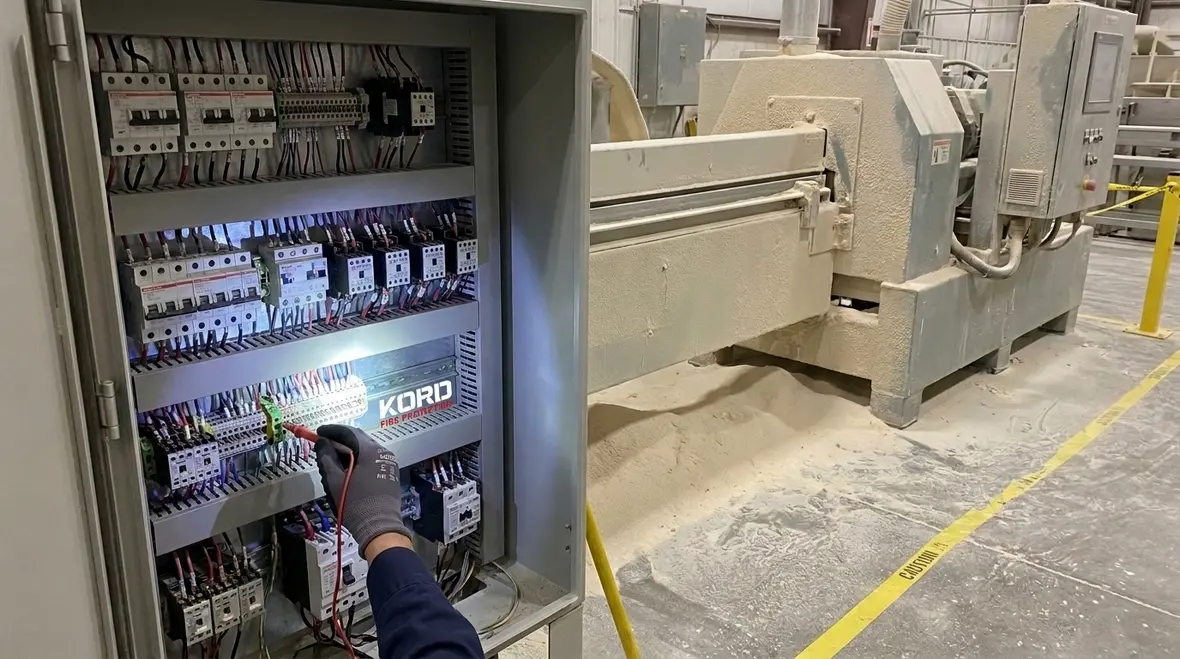
NFPA 34 Section 6.1 Scope: Electrical and Other Ignition Sources
Quick Answer
NFPA 34 Section 6.1 defines what ignition sources must be controlled in processes that handle combustible dust or ignitable materials. It focuses on electrical hazards and other ignition mechanisms that can ignite vapors, gases, or dust clouds, setting expectations for design, maintenance, and inspection across facilities.
For facilities building a stronger inspection and documentation routine, fire safety system documentation for compliance is a useful companion read near the start because it connects inspections, maintenance logs, and compliance proof in a practical way.
What does the NFPA 34 electrical ignition sources chapter scope cover?
Within the NFPA 34 electrical ignition sources chapter scope, Section 6.1 establishes the framework for identifying ignition sources that can initiate a fire or explosion. It applies to electrical equipment, wiring methods, operating conditions, and non electrical ignition contributors that may produce sparks, hot surfaces, arcs, or unintended heat. For commercial, industrial, and retail operations, the practical implication is straightforward: facilities must control ignition sources not only at initial installation, but throughout normal operation, maintenance cycles, and modifications.
Why Section 6.1 matters in real facilities
Facilities that handle combustible dust, flammable gases, or aerosolized particles routinely face ignition risk from both expected and hidden mechanisms. The most common operational problem is not the absence of compliant equipment, but the loss of control over time due to maintenance deviations, equipment aging, environmental conditions, or unauthorized changes to electrical systems.
Section 6.1 directly supports a facility wide ignition control strategy by requiring that electrical and other ignition sources be addressed through appropriate selection and protection methods, and through management of installation, operation, and maintenance. This aligns with the realities of commercial and industrial plant work where maintenance downtime, frequent equipment changes, and varying housekeeping practices can quietly increase ignition potential.
Electrical ignition sources: what inspectors typically evaluate
Although Section 6.1 scope language sets the requirements broadly, field inspections generally converge on a similar set of ignition source failure modes. A strong compliance program maps these hazards to equipment, locations, and work practices.
1) Arc faults, sparks, and contact failure
Electrical ignition sources often originate from abnormal current paths. Examples include damaged conductors, degraded insulation, loose terminations, worn switch contacts, and improperly maintained connectors. These conditions can generate arcs and sparks that become ignition sources when combustible dust or flammable vapors are present.
- Common failure point: loose or corroded electrical connections in humid or dusty environments
- Common failure point: connectors and cable glands that are not tightened or sealed correctly
- Common failure point: control devices with worn contacts or intermittent faults that produce repeated arcing
2) Hot surfaces and overheating
Overheating is another recurring issue, especially where equipment operates near its design limits or where thermal pathways degrade. Dust accumulation, blocked ventilation, misapplied heaters, or incorrect protective device settings can lead to hot surfaces capable of igniting dust layers or cloud suspensions.
- Common failure point: motor housings and junction boxes obstructed by dust buildup
- Common failure point: blocked fan guards or impaired cooling on ventilation equipment
- Common failure point: incorrect overcurrent protective device calibration
3) Operating conditions that increase ignition risk
Some ignition mechanisms depend on operational behavior. Frequent start stop cycling, unusual loading, or abnormal process conditions can increase electrical stress. Facilities that treat electrical hazard control as a one time design step often miss this operational variability.
Operational compliance should include procedures for start up, shutdown, abnormal condition response, and planned maintenance that controls ignition risk while equipment is opened, tested, or replaced.
Other ignition sources beyond electrical equipment
Section 6.1 also captures ignition sources that do not originate in electrical systems. In practice, these contributors often become the gap between “electrical equipment is compliant” and “the facility is fully ignition controlled.”
Mechanical and frictional ignition contributors
Mechanical ignition sources typically include sparks from impact, friction, grinding, or improper alignment. In dust environments, friction and impact events can be particularly problematic when they occur in or near dust accumulations.
- Foreign object debris or metal fragments impacting rotating equipment
- Bearing failure or misalignment producing frictional heat and sparks
- Improper tool use during maintenance that generates impact or hot particles
Hot work and work practices
Hot work introduces direct ignition risk if not managed under a robust permit and fire watch process. Many commercial and industrial sites under manage the ignition risk of cutting, grinding, and welding when combustible dust is present. A disciplined management of hot work supports Section 6.1 objectives by controlling ignition sources that can generate sparks and hot surfaces.
Static discharge and charge accumulation
Static electricity can produce sparks during certain processes such as material transfer, pneumatic conveying, or movement of plastics and powders. Even when electrical equipment is protected, static control failures can create ignition events. Compliance programs should include bonding and grounding verification, hose selection and routing, and procedures for handling charge sensitive materials.
How to implement compliance: inspections, maintenance, and documentation
Meeting the intent of Section 6.1 requires a program that operates like a system: hazard identification, equipment protection selection, inspection frequency, and corrective actions tied to risk. Documentation should prove that ignition control measures stay effective over time.
Establish a location based ignition source map
Facilities should maintain a living inventory that ties equipment and activities to potential ignition sources. This includes lighting, motors, controls, junction boxes, receptacles, cord connections, and any area where dust accumulation or flammable atmospheres may occur. A location based ignition source map supports consistent inspection planning and faster troubleshooting.
Use task based inspection checklists
Instead of generic inspections, use task based checks aligned to the actual failure points that create ignition. Common checklist components include
- Verification of enclosure integrity and gland sealing
- Inspection of terminations for looseness, discoloration, or corrosion
- Condition review of protective devices and relay contacts
- Visual assessment for dust buildup on heat producing equipment
- Verification that guards and ventilation paths remain unobstructed
Plan corrective actions and verify effectiveness
Corrective actions should match the failure mechanism. Tightening alone may not resolve recurring arc faults caused by damaged conductors. Replacing worn components and addressing root causes such as water ingress, dust loading, or process vibration often provides more durable compliance outcomes.
Bring Kord Fire Protection into the ongoing cycle
Commercial compliance becomes fragile when it relies on sporadic checks. Kord Fire Protection supports facilities with ongoing inspection, testing, and documentation practices that help maintain ignition source controls throughout the year. This includes verifying the condition and operational integrity of equipment systems that affect electrical ignition risk, and aligning maintenance workflows with safety goals for commercial, industrial, and retail environments.
If you want a practical starting point for scheduling and program structure, review Kord Fire Protection’s approach through its fire protection and safety inspection services and explore its broader support for inspection, testing, installation and maintenance to align your facility maintenance and inspection cadence with ignition source risk.
Common compliance pitfalls that create ignition risk
Most ignition incidents occur after normal operation has introduced wear or after changes were made without re establishing the risk controls. The following pitfalls appear frequently in commercial and industrial facilities.
- Unverified equipment substitutions that change the temperature class, protection method, or sealing integrity
- Inadequate inspection of electrical enclosures after maintenance or panel openings
- Dust accumulation left unaddressed on motors, heaters, and electrical connections
- Loose wiring or degraded insulation from vibration, moisture, or repeated service cycles
- Hot work performed without full ignition controls when combustible dust may be present
A strong program treats these as predictable failure modes and manages them with documented inspection frequencies, corrective action tracking, and training for maintenance teams.
Frequently Asked Questions
Conclusion and call to action
NFPA 34 Section 6.1 scope requirements for electrical and other ignition sources protect facilities where combustible dust or ignitable atmospheres exist. The highest value comes from keeping ignition controls effective through routine inspections, disciplined maintenance, and root cause corrective actions. Partner with Kord Fire Protection to strengthen ongoing compliance, reduce ignition source gaps, and maintain defensible documentation for commercial, industrial, and retail operations. Schedule a compliance review today.

Join Our Newsletter!
Get the latest fire safety tips delivered straight to your inbox From our Newsletter.



