
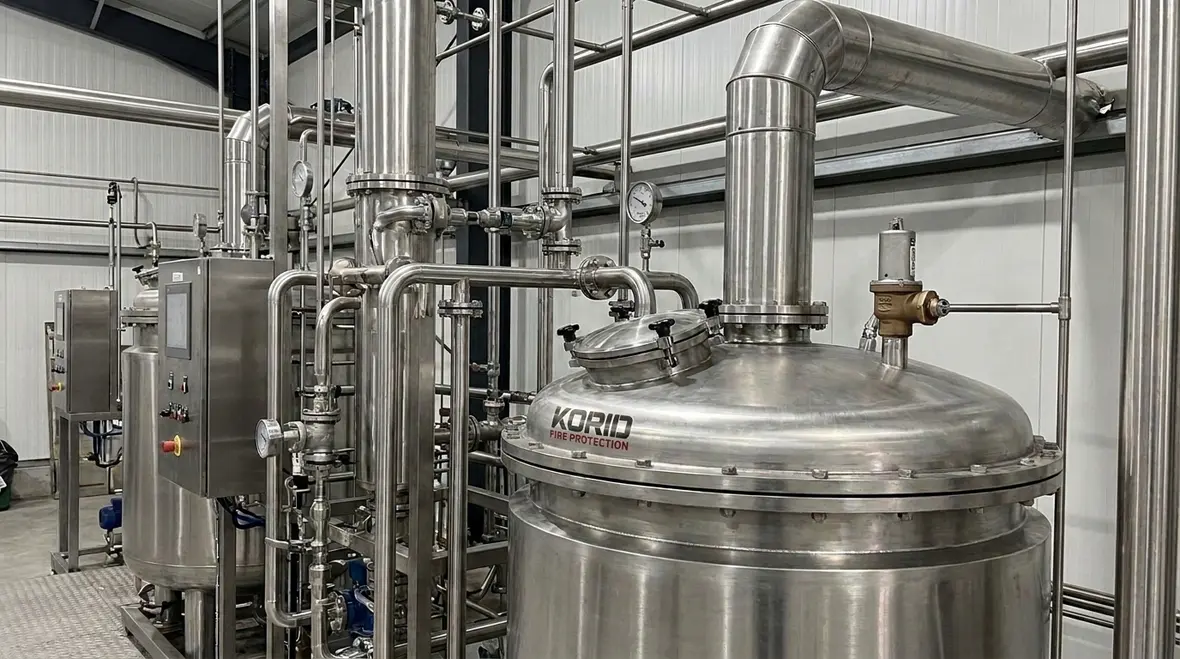
NFPA 34 Section 10.9: Solvent Distillation Units (Solvent Recyclers) and Compliance Requirements
Quick Answer
NFPA 34 Section 10.9 sets core fire protection and operational expectations for solvent distillation units used to reclaim flammable and combustible solvents. It focuses on preventing ignition during normal operation and upset conditions, ensuring safe venting, control of ignition sources, and reliable impairment management for key protective systems.
Facilities that manage these hazards often benefit from broader industry fire protection services that support inspections, documentation, and code compliance planning across complex commercial operations.
What NFPA 34 Section 10.9 requires for solvent recyclers
NFPA 34 solvent distillation recycler requirements apply to equipment that heats solvent mixtures to separate and recover reusable solvent. Section 10.9 targets high risk failure modes such as vapor release to ignition, overheating, improper shutdown, inadequate venting and pressure control, and compromised fire protection features. Commercial operators typically face the same practical challenges: aging instrumentation, inconsistent maintenance of relief devices, and inconsistent hot work controls during servicing.
Because these units operate around flammable vapor concentrations and combustible residues, compliance depends on more than a one time installation review. It depends on disciplined operational procedures, robust protective features, and documented impairment management for fire protection equipment.
Where solvent distillation units create fire risk during normal operation
Solvent distillation units can develop hazardous conditions even when operators follow routine procedures. Understanding the mechanisms helps facilities verify controls and tailor inspection focus.
1) Flammable vapor generation and leakage
Heat drives solvent volatilization. Any leakage at seals, sight glasses, sampling ports, drain valves, or flexible connections can produce a flammable vapor cloud. Common practical issues include degraded gaskets, loose fittings after maintenance, and vibration related wear in piping and fittings. NFPA 34 expectations in Section 10.9 generally require that protective design and safeguards address ignition prevention and vapor management throughout the unit’s operating envelope.
2) Ignition sources from equipment and servicing
Ignition sources can include electrical components, static discharge, overheated bearings, damaged wiring, and improper use of ignition capable tools during service. Facilities often underestimate risk during non operating periods such as line clearing, cartridge changes, filter replacement, or burner adjustments. A compliance minded program includes strict hot work controls, equipment lockout and tagout, and verified electrical classification for installed components.
3) Overheating, runaway temperatures, and upset conditions
Thermal runaway risks rise when controls fail, heat input remains when it should stop, or distillation conditions shift due to wrong solvent loading. Operators may also experience delayed detection of abnormal temperature or pressure, especially if instrumentation requires recalibration. Section 10.9 compliance efforts should therefore connect protective system performance to the instrumentation reliability program, including calibration intervals and documented verification.
Key protective features and operational controls that must work together
Section 10.9 focuses on an integrated approach. It generally expects that protective systems, safeguards, and operating controls align to prevent ignition and limit fire growth when upset conditions occur. Facilities with multiple units should also verify that each unit’s safeguards remain independent enough to prevent cascading failures.
Venting and pressure relief performance
Solvent recycler systems rely on properly designed and maintained venting and relief features to prevent dangerous pressure escalation and to manage vapor release safely. Practical compliance challenges include relief device corrosion, damaged discharge piping, and improper routing that can expose personnel to vented vapors or create ignition pathways. A recurring inspection program should verify discharge locations, unobstructed vents, and relief device integrity as part of documented maintenance cycles.
Control of ignition capable electrical and mechanical components
Facilities must ensure that electrical equipment used in or near hazardous atmospheres matches the intended hazardous location requirements. Compliance checks should include verification of conduit seals, wiring condition, grounding and bonding, and correct installation of rated devices after repairs. Many failures originate from “like for like” substitutions that are not actually equivalent for electrical rating or temperature class.
Instrumentation reliability for safe shutdown and upset response
Distillation units depend on temperature and pressure monitoring to prevent unsafe operating conditions. Facilities should maintain a calibrated program for sensors and verify that alarms and shutdown logic execute correctly. Kinds of failures seen in the field include bypassed interlocks, jammed valves, and control software changes that alter setpoints without documented review. A compliance style approach includes configuration control, setpoint management, and evidence based testing after any control system modification.
Common failure points seen during inspections and what inspectors typically look for
Even well designed systems can fall out of compliance when maintenance and operational discipline degrade. These are common trouble areas that frequently surface during compliance reviews for solvent recyclers under NFPA 34.
Discharge routing and blocked vent paths
Vent piping can become obstructed by maintenance debris, condensed vapors, or corrosion scale. Inspectors typically look for open and correctly routed discharge pathways, visible damage, and signs that venting could direct vapors into ignition prone zones.
Compromised seals and degraded gaskets
Seals near joints, drains, and observation ports often degrade due to chemical exposure and thermal cycling. Even small leaks can create flammable conditions. Facilities should ensure replacement parts match chemical compatibility requirements and that post maintenance leak checks occur before returning equipment to service.
Inadequate impairment management for protective systems
Fire protection and safety critical systems can be taken out of service during repairs. Compliance typically requires that impairment periods are risk assessed and controlled. A frequent gap involves insufficient documentation of duration, scope, interim controls, and authorization to operate with protections impaired. NFPA aligned programs should include clear stop work thresholds when key protective systems are unavailable.
Hot work and ignition control during service activities
When technicians service heaters, burners, or filters, ignition risk rises quickly. Inspectors commonly verify that hot work permits, gas testing where required, and electrical lockout and tagout procedures are actually used and recorded. A single missed step can create a vapor ignition scenario even if the distillation unit remains otherwise compliant.
Maintenance, testing, and documentation that support ongoing compliance
To meet NFPA 34 solvent distillation recycler requirements consistently, facilities should build a maintenance program that produces verifiable evidence of reliability. The goal is to connect inspection findings to corrective actions and to prevent recurrence.
Recommended compliance documentation package
- Operating procedures including safe start up, shutdown, and abnormal condition response
- Maintenance records for relief devices, vent piping, seals, and instrumentation
- Calibration certificates and test results for temperature and pressure detection and shutdown logic
- Impairment logs showing risk controls, duration, and management authorization
- Hot work permits, gas test records when applicable, and lockout and tagout documentation
Testing strategy that aligns with real hazards
Rather than relying only on periodic visual inspection, facilities should include functional tests for safeguards that prevent unsafe operation. Examples include verifying that shutdown sequences trigger at correct setpoints, checking that relief discharge paths remain unobstructed, and confirming that instrumentation readings match expected conditions.
How Kord Fire Protection helps facilities stay aligned with NFPA 34
Commercial solvent recycler systems often drift out of compliance through routine maintenance changes, aging instrumentation, and inconsistent impairment practices. Kord Fire Protection supports facilities with practical, documentation driven compliance services designed to reduce inspection findings and improve readiness for authorities having jurisdiction.
For a tailored approach, Kord Fire Protection can assist with system review, inspection planning, testing support, and maintenance guidance aligned with ongoing operational realities. To explore related guidance, see fire safety compliance services and annual fire safety inspections to build a repeatable program for solvent recycler fire risk controls.
Frequently Asked Questions
Conclusion and Call to Action
NFPA 34 Section 10.9 requires more than installation compliance. It requires reliable venting and relief performance, ignition control, dependable instrumentation for safe shutdown, and disciplined impairment management for protective features. If your solvent distillation recycler fleet has aging components or inconsistent maintenance documentation, take action now. Contact Kord Fire Protection to review your current safeguards, inspection readiness, and maintenance program, then build a practical compliance plan that supports safe operation year round.

Join Our Newsletter!
Get the latest fire safety tips delivered straight to your inbox From our Newsletter.



