
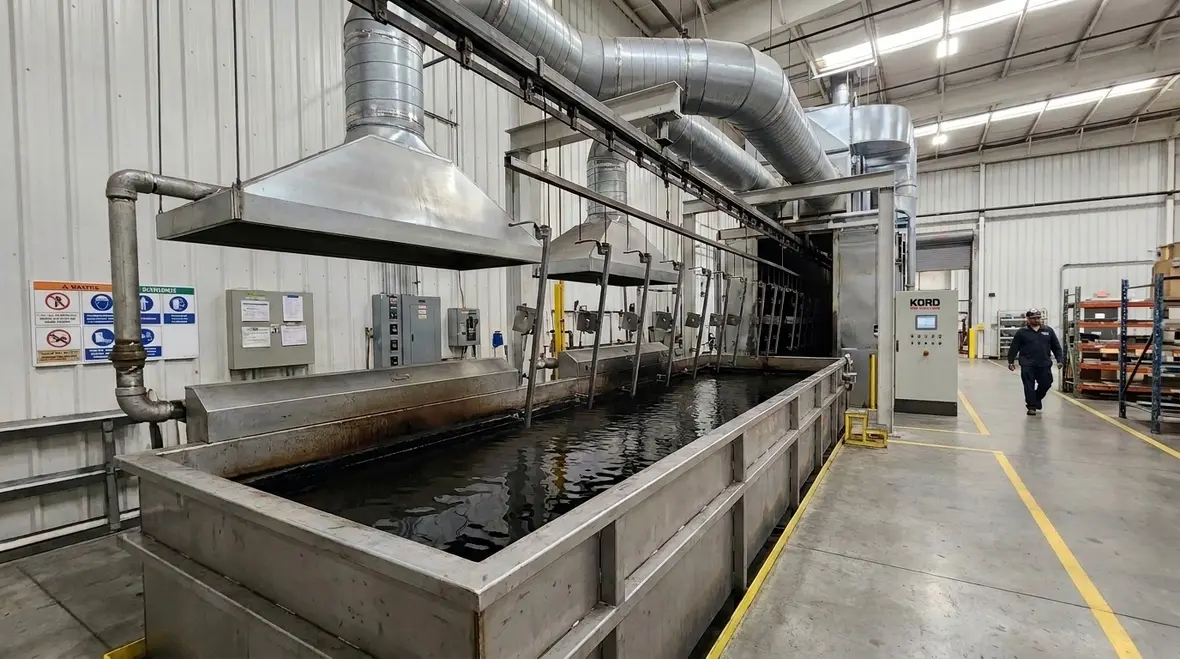
NFPA 34 Section 1.3 Application: Processes and Installations Covered
Quick Answer
NFPA 34 Section 1.3 determines which processes and installations the standard covers. For commercial facilities using dipping coating operations, this section clarifies when dipping coating lines, ventilation, fire protection systems, and operating controls fall under NFPA 34 requirements. Correct application prevents compliance gaps and unsafe modifications.
For a broader service context, explore full lifecycle fire protection servicing to connect code scope decisions with inspection, maintenance, repairs, and long-term readiness.
What Section 1.3 Decides for Coating Dipping Operations
NFPA 34 application covered dipping coating installations begins with a simple compliance question: does the facility’s process and the installed equipment fall within the scope of NFPA 34? Section 1.3 sets the “rules of inclusion,” meaning the standard applies when specific industrial processes, hazards, and installation components are present. That determination drives the rest of the requirements, including protection methods, operating controls, inspection expectations, and maintenance practices.
Commercial facilities often use multiple process types under one roof, such as cleaning, rinsing, surface preparation, and multiple coating chemistries. Section 1.3 requires the facility to evaluate the dipping coating line as a complete system, not just the tank area. If the process uses flammable or combustible liquids for coating, drying, or related steps, the standard’s scope frequently expands to include adjacent equipment and exhaust systems that move vapors or aerosols.
How NFPA 34 Section 1.3 Applies to Dipping Coating Installations
When a facility evaluates NFPA 34 application covered dipping coating installations, it typically must account for the following coverage drivers:
-
Process involvement of flammable or combustible liquids: Coating, cleaning, and associated rinses may contribute to the hazard profile. The scope evaluation must consider the actual liquids and anticipated operating temperatures.
-
Dipping and immersion activities: Immersion tanks, dip baskets, conveyors with immersion zones, and coating return systems can all generate vapor and spill ignition hazards.
-
Vapor transport and ventilation systems: Exhausting vapors to ductwork, fans, and duct termination points can be within the scope, especially when the exhaust design concentrates flammable vapors.
-
Drying, curing, or thermal steps: If drying ovens or curing equipment create ignition sources near vapor-producing areas, the process and protection scheme must be evaluated as a connected system.
In practice, compliance gaps often appear when facilities treat each tank or each oven as a separate “standalone” installation. Section 1.3 encourages a hazard based view. If the process produces vapor and the installation includes the means to move it, the facility must verify that the entire arrangement is addressed by the appropriate protection and operating controls.
Process and Installation Boundaries: Where Coverage Commonly Gets Missed
Facilities frequently miss scope details during initial code adoption or later process upgrades. Common “boundary issues” include:
1) Tank system components outside the obvious dip tank
The dip area may seem limited to the tank vessel, but NFPA 34 scope consideration often extends to spill control hardware, draining systems, skimmers, pumps, piping runs, and transfer methods. Failure points include deteriorated hoses, improperly routed suction lines, and unsealed sumps that allow vapor leakage.
2) Ventilation and ducting that carry vapors to other areas
Exhaust ducting can cross building compartments or pass through zones with ignition sources. Even when ductwork remains continuous, changes in fan speed, duct routing, or dampers can alter vapor concentrations. Coverage determinations should confirm that ventilation assumptions match current operations and current duct materials and conditions.
3) Hot work and maintenance staging near the dipping line
Maintenance practices affect risk. Welding, grinding, and hot torque operations near dipped coating areas can bypass the protective intent of the installed fire protection scheme. If the facility modifies maintenance procedures without aligning them with the scope and hazard review, compliance may drift even if the installation hardware appears unchanged.
4) Changes in coating chemistry or concentration
A change in coating formulation can move materials into a different hazard class. That shift can change the adequacy of protection features that were acceptable under prior chemical assumptions. NFPA 34 application covered dipping coating installations therefore requires ongoing verification, not a one time checkbox during commissioning.
Operational Controls and Inspection Expectations Under Section 1.3 Scope
Once Section 1.3 confirms that the process and installation are covered, the facility must operate, inspect, and maintain the system to sustain compliance. Many operational and maintenance challenges occur in areas that directly influence ignition potential and fire growth.
Ventilation performance as a continuing compliance requirement
Ventilation systems control vapor accumulation. Compliance typically depends on maintaining airflow targets, ensuring duct integrity, and verifying damper position response. Common degradation includes:
-
Accumulated residues in ductwork and filters that reduce airflow
-
Corroded dampers or failing actuators that prevent the intended airflow response
-
Disconnected sensor wiring or bypassed interlocks that restore operation but defeat protective control logic
Fire protection components affected by process environment
Friction, heat, chemical exposure, overspray residue, and vibration affect fire protection components. For example, fire detection and suppression components can become fouled. Valves, gaskets, and seals may degrade, leading to delayed response during an emergency. The facility must align maintenance schedules to actual process conditions, not generic calendar intervals.
Commercial facility realities: documentation and contractor control
Retail and industrial tenants frequently change contractors, service intervals, and production schedules. Compliance depends on document control, training records, and verified handoffs during changeouts. A well managed dipping line uses documented procedures for startup, shutdown, alarm response, and maintenance isolation. It also requires routine inspection evidence that can be presented during audits.
Kord Fire Protection supports commercial facilities with ongoing compliance services, including inspection readiness support, maintenance coordination, and verification planning for process tied fire protection systems. This partnership helps facilities keep the installation and operating conditions aligned with the code scope established by Section 1.3. For related guidance, see fire suppression impairment owner guide and readiness.
Practical Compliance Checklist for Dipping Coating Line Scope Confirmation
Commercial teams can use the following checklist to confirm NFPA 34 application covered dipping coating installations and reduce the risk of overlooking scope:
-
Inventory process steps: Identify all dip, spray, transfer, drying, and curing activities associated with the dipping coating line.
-
Document chemicals and operating temperatures: Confirm current product safety data and process heat sources that influence vapor generation.
-
Map ventilation and vapor pathways: Trace ductwork routes from exhaust points to terminations and identify cross area exposure.
-
Verify ignition source proximity: Confirm burner locations, oven exhaust, heater controls, and any interlocks that manage ignition risk.
-
Identify fire protection hardware impacted by residues: Review maintenance history for detectors, suppression devices, valves, and actuators.
-
Confirm maintenance and hot work controls: Ensure contractors follow isolation and permit processes that match the hazard scope.
For a broader fire code context and service alignment, Kord Fire Protection can also support documentation and compliance planning alongside the facility’s engineering and operations team. If you manage process fire risk across multiple standards and systems, consider reviewing Kord Fire Protection offerings here: Kord Fire Protection commercial fire protection services.
Frequently Asked Questions
Conclusion and Call to Action
Correctly applying NFPA 34 Section 1.3 prevents scope errors that lead to ineffective protection, audit findings, and avoidable risk in commercial dipping coating environments. Facility teams should confirm the covered process boundaries, document ventilation and vapor pathways, and maintain protection components in the harsh process environment. Contact Kord Fire Protection to support compliance verification, maintenance planning, and inspection readiness for your dipping coating installation.

Join Our Newsletter!
Get the latest fire safety tips delivered straight to your inbox From our Newsletter.



