
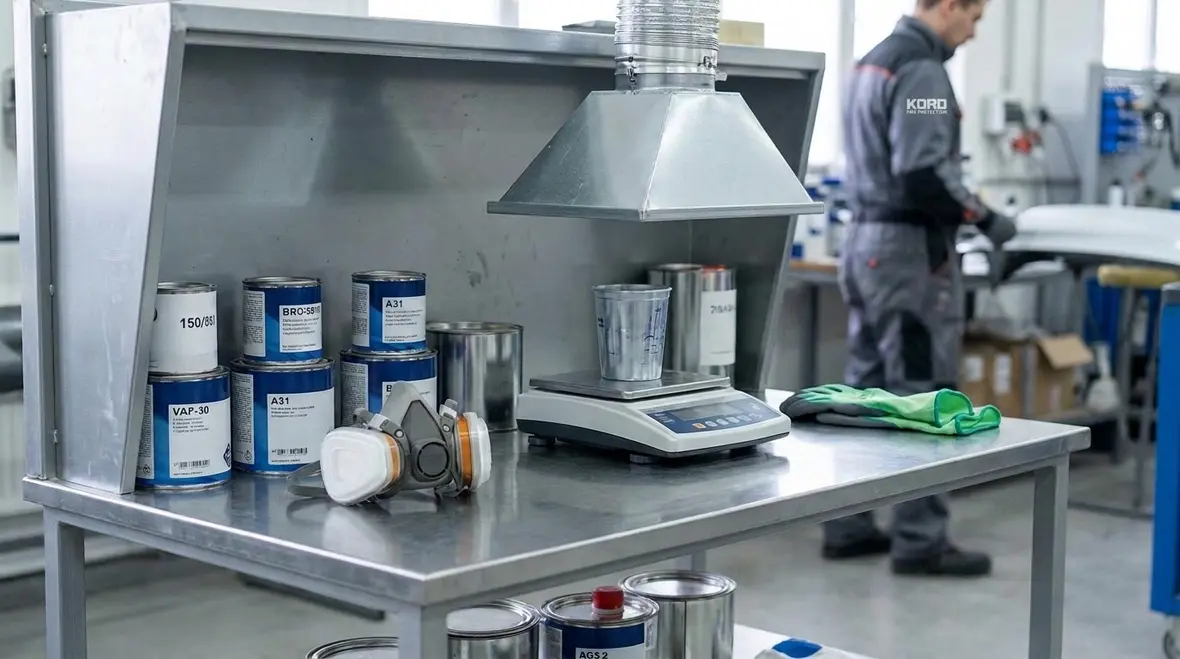
NFPA 33 Section 14.2: Preparation Workstations for Spray Finishing
Quick Answer
NFPA 33 Section 14.2 sets practical requirements for preparing workstations used in spray finishing operations. It focuses on controlling ignition sources, managing combustible residue, and supporting safe ventilation, housekeeping, and equipment condition. Facilities meet compliance faster when they standardize workstation setup and maintenance.
For broader inspection planning and recurring compliance support, facilities often benefit from aligning workstation controls with fire safety system documentation for compliance so records, maintenance history, and corrective actions do not turn into a scavenger hunt later.
What does NFPA 33 Section 14.2 require for preparation workstations?
NFPA 33 preparation workstation spray finishing requirements address how a facility prepares the area and equipment that feed spray finishing processes. Section 14.2 is not limited to the spray booth itself. It covers the workstation condition that supports mixing, loading, surface preparation, and related handling where flammable vapors and combustible residues can be present.
From a compliance standpoint, the key issue is often not a single “missing rule,” but an accumulated mismatch between workstation design, operational habits, and inspection readiness. Commercial, industrial, and retail facilities frequently change layouts, swap out products, and adjust workflows. Those changes can create new ignition risks, residue buildup, and ventilation gaps unless documented and maintained.
How to define the “preparation workstation” in your facility
NFPA 33 Section 14.2 compliance starts with clear boundaries. Facilities should document where preparation activities occur, including zones where coatings, solvents, reducers, and cleaning agents are staged or transferred. That includes surfaces and equipment where vapors can migrate and residue can accumulate.
Common preparation activities covered by workstation controls
- Mixing and measuring coating materials and solvents.
- Loading spray equipment with thinners, reducers, or other flammable liquids.
- Surface preparation tasks that use flammable cleaners or wiping agents.
- Transferring materials from containers to application equipment.
- Temporary storage of spray-related materials near handling points.
Practical compliance challenge: workstation drift
A common failure point is “workstation drift.” Operators may move hoses, racks, or containers for convenience. Over time, items end up too close to ignition sources, or within areas where ventilation performance has changed. A compliance program should treat layout and workflow as part of the fire risk control plan, not as incidental housekeeping.
Engineering controls and ignition source management
Section 14.2 requirements align with a core objective: prevent ignition of flammable atmospheres created by spray finishing-related liquids and vapors. For preparation workstations, this typically means controlling ignition sources and ensuring equipment used in the area does not create unacceptable risk.
Ventilation, air movement, and vapor control
Ventilation management supports two goals: it reduces vapor concentration and it limits the accumulation of combustible residue. Facilities should verify that exhaust and supply systems maintain intended airflow paths from preparation to application areas.
Operational best practice includes:
- Keeping intake and exhaust routes unobstructed by racks, carts, or stored materials.
- Ensuring doors, curtains, and barriers do not create stagnant pockets where vapors collect.
- Confirming that changes in product formulation do not increase vapor release beyond the ventilation design basis.
Electrical and mechanical ignition control
Preparation workstations often include mixers, pumps, hot air or heat sources for preparation tasks, fans, lighting, and powered hand tools. Compliance requires that the equipment installed and used in or near potentially flammable atmospheres is suitable for the hazard classification and operating conditions.
Common breakdown points include:
- Temporary use of non rated equipment during maintenance or startup.
- Damaged cords, loose connections, or compromised enclosures.
- Unverified replacements made during production downtime.
Housekeeping and combustible residue control at the workstation
Even when ventilation and ignition controls are correct, combustible residue can defeat the hazard management strategy. NFPA 33 preparation workstation spray finishing requirements expect facilities to manage residue from coatings, overspray, drips, and solvent activity that can accumulate on surfaces and equipment.
What to control, and where it collects
Residual fuel loads often appear where staff do not look daily: under mixing tables, behind filters, along hose routing paths, in cable trays, and around container storage areas. Residue control procedures should include a defined cleaning frequency, verification method, and approved cleaning materials.
- Clean spill containment areas after any release or leak.
- Remove accumulated residue from floors, ledges, and equipment housings.
- Manage waste containers to prevent overfilling and evaporation of residual liquids.
- Control wiping materials and rags to prevent solvent buildup and ignition risk.
Failure point: cleaning methods that increase hazards
Facilities sometimes attempt to “speed up” cleaning with practices that increase airborne vapors or spread residue. Compliance-driven cleaning should minimize solvent aerosolization, use compatible materials, and follow documented procedures that align with your product safety data and facility operating plan.
Setup, operating procedures, and inspection readiness
Section 14.2 compliance is sustained by consistent preparation workstation setup. Facilities should treat the workstation configuration as controlled documentation, not as an informal baseline.
Operational procedure requirements that auditors expect
- Defined start up checks for ventilation status and safety interlocks.
- Material handling steps that prevent unnecessary open containers and spillage.
- Clear instruction on when equipment is removed from service for repair.
- Change control when product formulations, solvent types, or workflow steps change.
Inspection readiness: what inspectors commonly scrutinize
During surveys and compliance checks, inspectors frequently focus on observable conditions:
- Condition of workstation surfaces and absence of significant residue buildup.
- Evidence that ventilation is operational and maintained.
- Housekeeping that matches documented frequency and scope.
- Equipment condition, including cords, enclosures, and safe placement.
- Whether combustible waste storage and container practices remain controlled.
To strengthen readiness across multiple facilities, Kord Fire Protection supports commercial fire protection compliance through ongoing inspection support, maintenance planning, and documentation workflows. For organizations that must sustain audit trails, Kord Fire Protection can help keep workstation controls aligned with current operations.
Maintenance and testing: how compliance stays valid
NFPA 33 controls only work if they stay functional. A maintenance program for preparation workstations should include both equipment performance and fire-resistance of procedures. This includes routine checks, corrective actions, and verification after changes.
Maintenance items that tie directly to Section 14.2 outcomes
- Ventilation inspections and performance verification for exhaust and air movement.
- Filter, duct, and fan maintenance aligned with your production load.
- Electrical inspections for damaged components and proper equipment suitability.
- Cleaning verification, including evidence of completed residue removal.
- Waste container integrity checks to prevent leaks and excessive evaporation.
Use existing guidance and partner support
Facilities often benefit from cross-referencing related safety resources to ensure the spray finishing system is managed as an integrated process. For additional commercial fire protection support, Kord Fire Protection can help organizations address the operational and documentation requirements that accompany NFPA 33 compliance.
Visit Kord Fire Protection to discuss workstation-focused compliance assessments, maintenance planning, and recurring inspection support.
Frequently Asked Questions
Next step: tighten workstation controls before the next inspection
If your facility uses spray finishing workflows with mixing, loading, and cleaning at preparation stations, validate your workstation boundaries, ignition controls, residue management, and maintenance documentation. Kord Fire Protection can help your team build an auditable approach to compliance and sustain it through recurring inspections and corrective action support. Contact Kord Fire Protection today to assess your preparation workstation risk controls and maintenance program alignment.
If your broader compliance planning also overlaps with pump systems and scheduled readiness checks, Kord Fire Protection’s guide to fire pump testing, churn tests, and flow planning is a useful companion resource.

Join Our Newsletter!
Get the latest fire safety tips delivered straight to your inbox From our Newsletter.



