
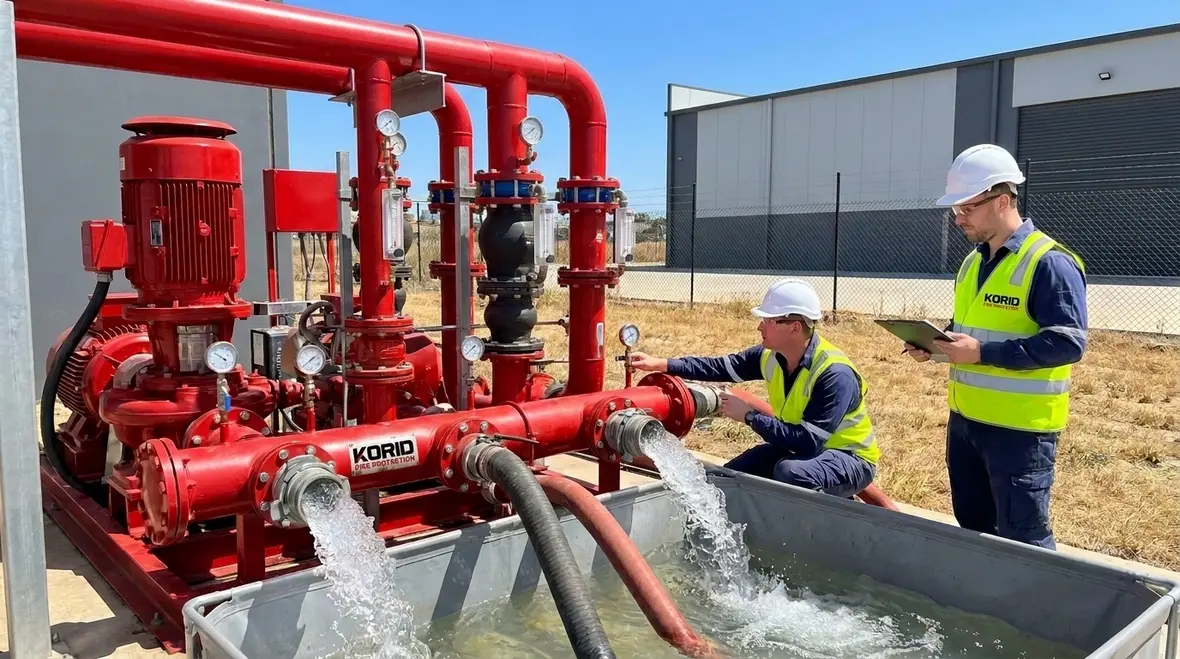
NFPA 25 8.3 Fire Pump Testing, Churn Tests and Flow Planning
Quick Answer: NFPA 25 § 8.3 guides how teams test fire pumps, including churn tests and how they plan flow tests. Facilities use these steps to confirm reliable water delivery. Kord Fire Protection supports the job by coordinating schedules, preparing test plans, and documenting results so operators and insurers feel confident.
In busy facilities, uptime matters, and fire protection has to think the same way. NFPA 25 § 8.3 covers fire pump testing, churn tests, and flow test planning, and it expects teams to do more than turn it on and hope. The point is simple: the standard lays out how the fire pump should be tested, how the water is kept circulating during churn testing, and how flow tests are planned so the results actually mean something. In other words, the fire pump cannot just look ready, it has to perform like it will during an emergency.
For facilities that want the work tied to practical field support, professional fire pump service fits naturally into the conversation early, because testing only helps when inspection, repair, maintenance, and documentation all stay coordinated around the same equipment.
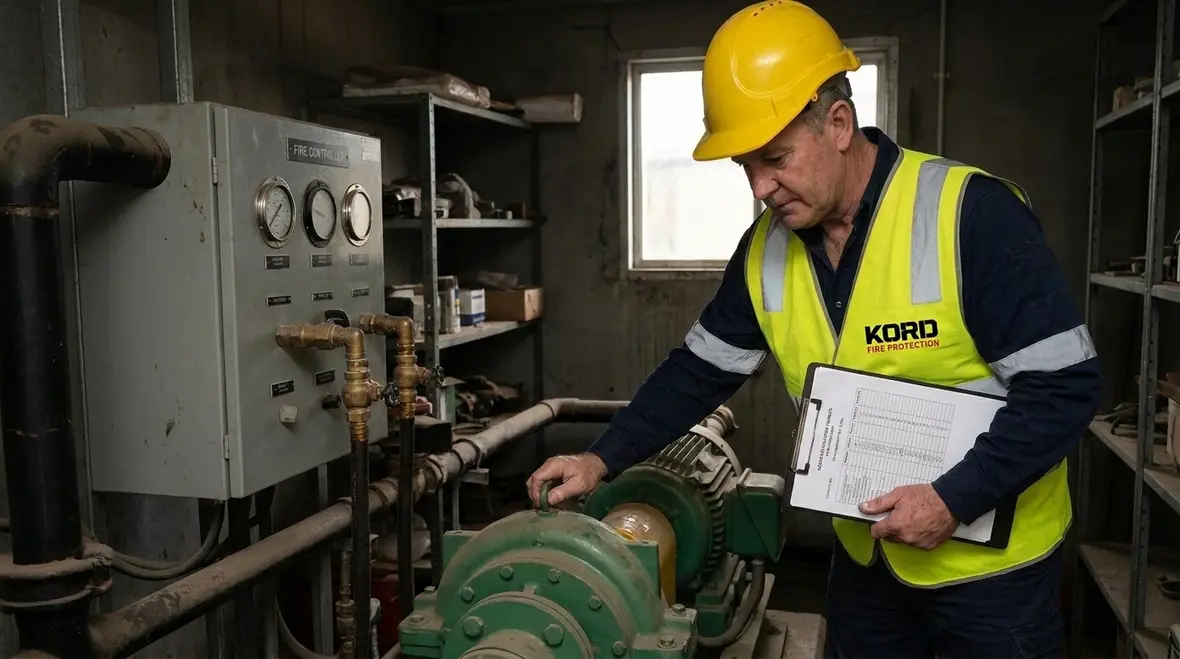
NFPA 25 fire pump testing requirements that operators can trust
Fire pump testing under NFPA 25 fire pump testing requirements starts with one simple goal: verified performance under controlled conditions. First, technicians confirm the pump can start as required and that the electrical and mechanical systems behave within acceptable limits. Then, they focus on operation that simulates real demand. This matters for industrial sites, large retail centres, and commercial buildings where water supply and system demand can vary based on layout, pipe size, and competing loads.
After that, churn testing becomes a practical way to validate the pump and controls. During churn testing, the system circulates water to prevent overheating and to check that the pump maintains stable output. Meanwhile, the flow test planning section guides how teams set up the test so the measured flow reflects the conditions the system expects. If someone treats these steps like a box to tick, the results can look tidy but fail under pressure. And nobody wants a tidy report that collapses the moment it counts.
Why verified performance matters more than a simple startup
A fire pump can start and still hide problems. Controls may drift, readings may not line up, and a system that seems fine at a glance can struggle when demand increases. That is why proper testing looks at the relationship between pressure, flow, valve position, controller behavior, and how long the system can stay stable. The goal is not theater. The goal is to learn whether the pump behaves like a dependable part of the fire protection system when the conditions become real.
How churn tests reveal pump behavior under steady load
Churn testing is not practice for practice. It verifies how the pump behaves when it runs and circulates water, which helps reveal issues you do not see during a quick startup. For example, churn tests can help identify performance changes caused by pump wear, valve positions, trapped air, or control adjustments that drift over time. Additionally, technicians can check for abnormal vibration and temperature rise, which often signals mechanical problems before they become major repairs.
During churn tests, the team keeps water moving through the system so the pump works against an appropriate condition. Because the pump may operate with system recirculation, correct setup matters. If test valves are not in the right position, or if the discharge configuration does not match the planning, the churn data can be misleading.
Here is the business reality: many facilities delay testing because they worry about disruption. However, when a team plans churn testing carefully and coordinates with operations, it usually fits within scheduled downtime. And yes, the fire pump does not need a standing ovation, but it does need the right test conditions.
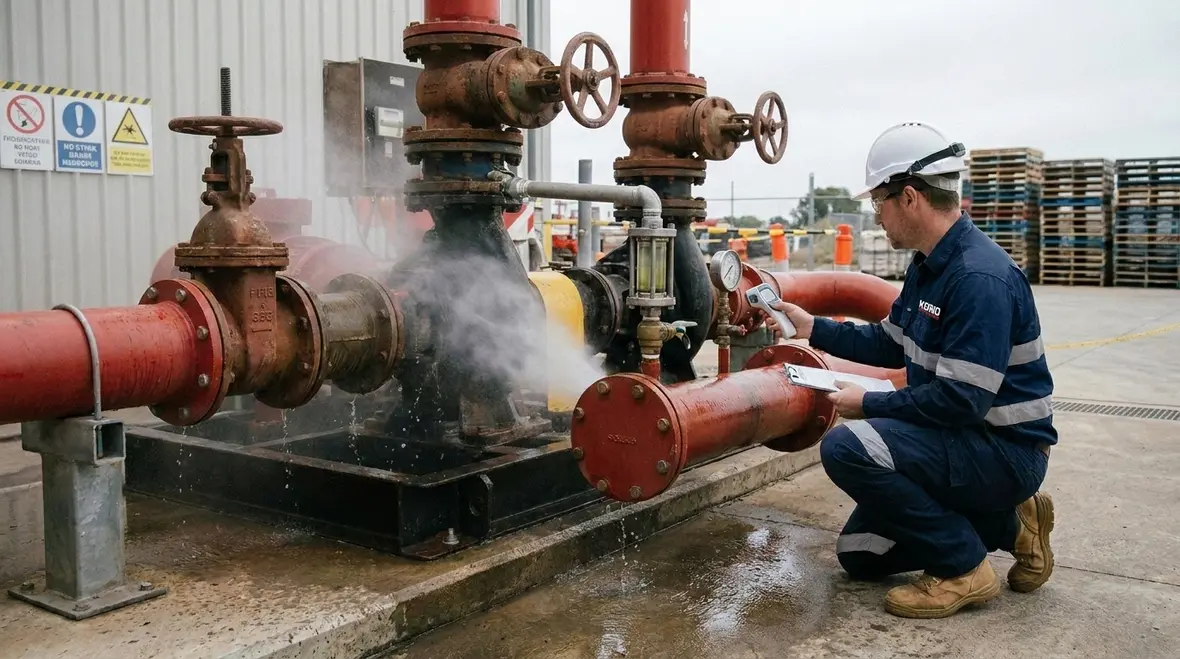
Common churn test issues that distort the picture
The most frustrating part of a poorly prepared churn test is that it can create false confidence. A valve left in the wrong position, incomplete recirculation, an air pocket, or inconsistent controller settings can all push the test away from the actual operating condition. When that happens, the reading may still look official on paper while telling the wrong story. Good teams do not just record numbers. They confirm the setup before trusting the numbers.
Flow test planning that keeps the results meaningful
Flow testing proves the system can deliver water at a specified rate. Yet it only works if planning is disciplined. Under NFPA 25 § 8.3, flow test planning requires teams to define the test objective, set up the configuration, and ensure the data collection matches what the system is expected to do. This includes confirming instrumentation, verifying discharge arrangements, and ensuring that the system is tested as designed.
Additionally, the planning stage helps avoid common issues like incorrect pressure readings, incomplete data, or flow measurement that does not reflect the real discharge path. Therefore, planning should include a clear method for establishing flow, monitoring pressure, and recording results in a format that someone can use later for trending.
Facilities also benefit when the test plan accounts for site conditions. Industrial complexes can have multiple zones, long pipe runs, and changes from recent fit-outs. Retail and commercial properties often modify sprinkler layouts over time. Consequently, flow test planning needs to account for what changed since the last test, not just what the drawings say from years ago.
What belongs in a practical flow test plan
A practical plan spells out the objective, equipment access, discharge path, instrumentation, safety steps, notification chain, data recording method, and the criteria for deciding whether the test was successful. It should also identify who is doing what, because test day gets messy fast when everyone assumes someone else is handling the details. A plan is not glamorous, but neither is explaining to management why the readings are unusable.
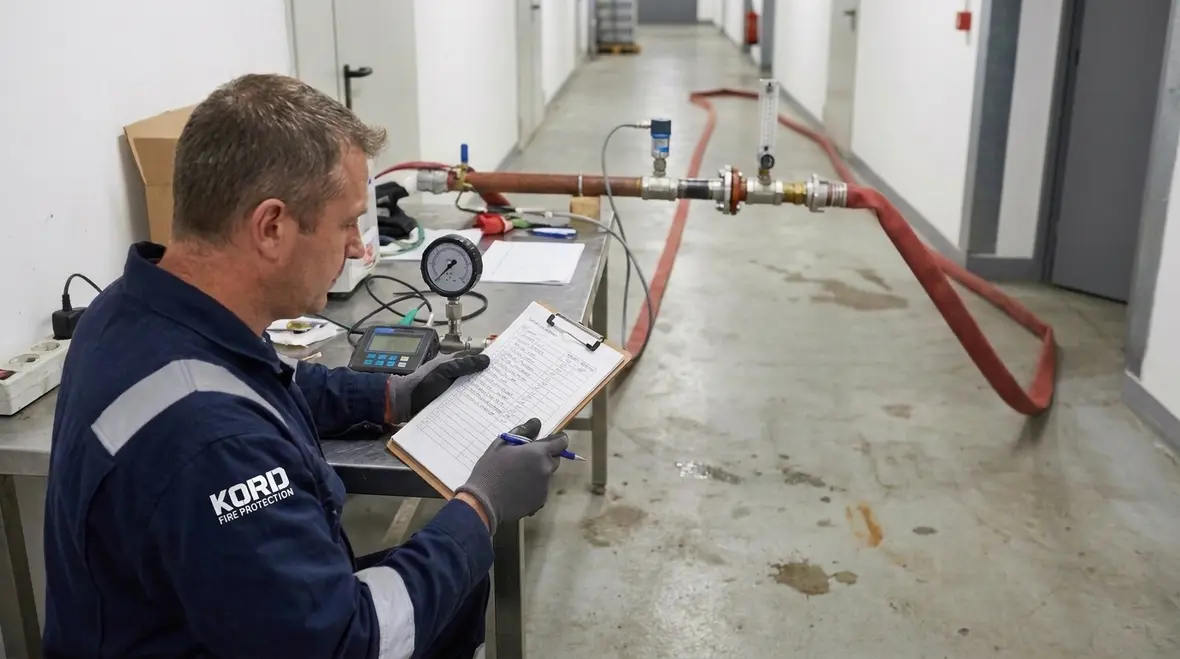
What teams actually check during fire pump testing
Fire pump testing involves more than observing operation. Technicians should verify key items that influence performance. They typically check pump start and stop sequence, control panel function, and the behaviour of valves that direct water flow. They also verify that pressure and flow readings make sense together, which helps validate whether the pump curve and system demand align.
Moreover, the team evaluates the pump’s ability to sustain performance and to respond properly to the system’s demand. If a pump starts but then behaves inconsistently, that inconsistency can show up in flow and pressure patterns during the test. Therefore, tests should capture enough data to explain what happened and why.
For multi-facility groups, documentation is equally important. A single test record needs to show dates, conditions, readings, and any deviations. Then, it should feed into maintenance decisions. Without that structure, each test becomes a new guess, and that is expensive guesswork. Like buying a smoke detector because it matches the curtains, it looks fine until the moment it fails.
Documentation that helps the next test, not just the last one
Strong records make future testing faster and more reliable. They show which valves were used, what readings were taken, whether any unusual conditions existed on site, and how the current result compares with earlier tests. That is where a test program starts acting like a system instead of a collection of disconnected visits.
Kord Fire Protection as a vital partner on test day
Kord Fire Protection can become a vital partner with this service by helping facilities move from we tested it to we proved it works. First, Kord supports planning and coordination so technicians can access equipment, prepare test setups, and capture accurate readings without dragging the process into chaos. Then, Kord helps teams maintain continuity of documentation, which makes it easier for operators, engineers, and insurers to review results.
Next, Kord can assist with a practical workflow around churn tests and flow testing windows. Instead of pushing tests back and forth, a coordinated partner reduces downtime surprises and helps align test activity with facility schedules. Additionally, Kord focuses on clarity in reporting, so the findings do not hide behind vague language.
Finally, this partnership reduces the tribal knowledge problem. When the same people always remember how the last test was set up, you risk losing critical context. With Kord involved, the facility gains structured records that support future planning. In the end, fire pump performance is not a one-time event, it is a repeatable process.
Teams that want broader background can also review Kord Fire Protection’s NFPA 25 overview and complete water-based fire protection systems maintenance breakdown, which connects fire pumps to the larger inspection, testing, and maintenance picture across water-based systems.
How to coordinate pump testing across industrial and retail sites
Facilities often juggle production, customer traffic, and maintenance trades. Therefore, coordination becomes part of the fire protection job, not a side quest. A solid approach includes scheduling that considers peak operations, access routes for equipment, and communication to site stakeholders. If the test affects water flow patterns or alarms, the team should define exactly who will be notified and what actions are expected.
In industrial environments, technicians may work around other mechanical systems and ongoing works. In retail and commercial settings, they often need to protect customer areas and manage visibility. Additionally, the test plan should address safety procedures and confirm that the system setup matches the test objective. This keeps the testing controlled and keeps operations calm.
When teams plan with care, the result is smoother testing, better data, and fewer last-minute changes. And yes, it also helps the fire pump avoid becoming the site’s unofficial mascot for surprise maintenance.
FAQ: NFPA 25 § 8.3 fire pump testing, churn tests, and flow test planning
Final takeaway: plan, test, document, and partner for confidence
NFPA 25 § 8.3 expects fire pump testing that proves performance, not just operation. When facilities plan churn tests and flow test conditions carefully, they gain usable data for maintenance and safety decisions. A disciplined process creates confidence because the test is repeatable, the data is explainable, and the documentation supports future action instead of gathering dust.
To keep your site aligned, schedule confidently, and strengthen reporting quality, Kord Fire Protection can support your team end to end. Contact Kord Fire Protection to discuss your next testing window and documentation needs, and make the next fire pump test feel like a managed process instead of a very expensive surprise.

Join Our Newsletter!
Get the latest fire safety tips delivered straight to your inbox From our Newsletter.



