
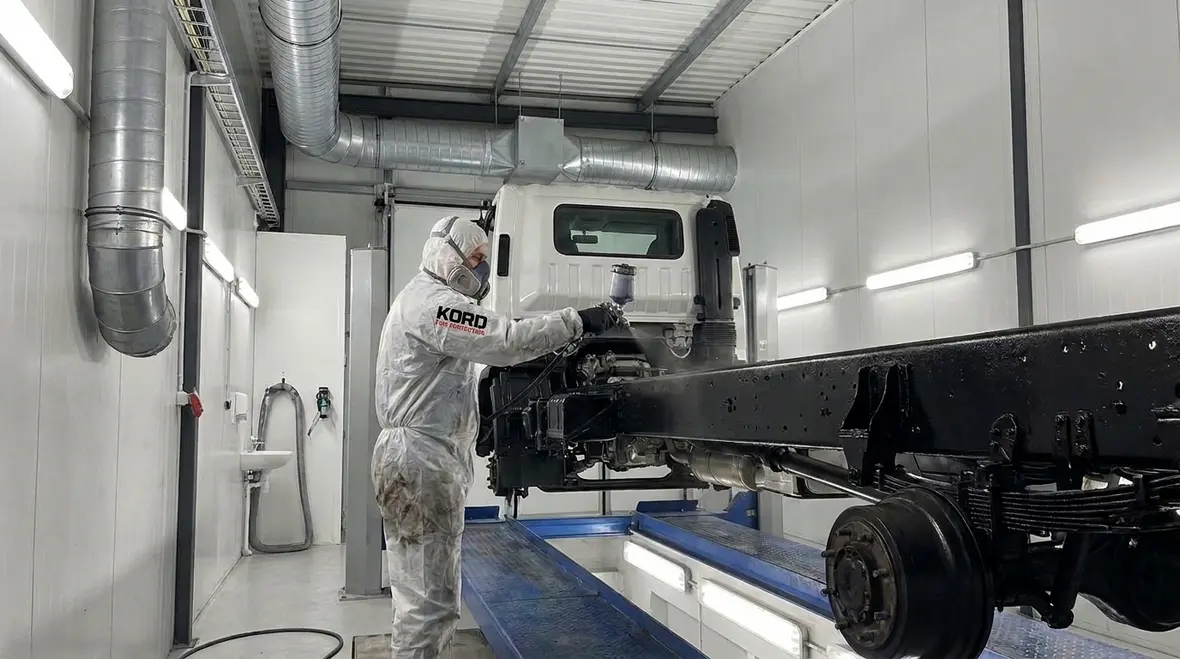
NFPA 33 Section 14.1: Vehicle Undercoating and Body Lining Requirements
Quick Answer
NFPA 33 Section 14.1 sets fire prevention requirements for applying vehicle undercoating and body lining materials. It focuses on controlling ignition sources, managing flammable vapors, and maintaining safe ventilation, safe handling practices, and compliant installation procedures to reduce risk in commercial operations.
Facilities looking to strengthen their broader compliance and inspection planning can also review fire protection services in Southern California for practical support with inspections, maintenance, repairs, and code-focused service coordination. ([kordfire.com](https://kordfire.com/fire-protection-services-southern-california/?utm_source=openai))
Why NFPA 33 Section 14.1 matters on real shop floors
Vehicle undercoating and body lining operations routinely generate flammable coatings, solvent vapors, overspray residues, and contaminated surfaces. Even when the process uses “normal” shop equipment, the hazard profile changes during application, flash-off, and curing. NFPA 33 vehicle undercoating body lining requirements address these process-specific risks by directing facilities to control ignition sources, ventilation performance, waste management, and maintenance practices.
For compliance teams, the challenge is that many failures do not show up on day one. They appear after workflow changes, repaired ventilation components, modified spray equipment, or neglected inspection intervals. Kord Fire Protection helps commercial, industrial, and retail facilities turn NFPA 33 expectations into maintainable controls that staff can sustain. Related Kord Fire guidance on inspection, testing, and maintenance schedules is especially relevant here. ([kordfire.com](https://kordfire.com/nfpa-33-section-10-2-inspection-testing-and-maintenance-schedules/?utm_source=openai))
What Section 14.1 applies to in vehicle undercoating and body lining
NFPA 33 Section 14.1 is aimed at preventing ignition of flammable vapors and residues associated with vehicle coating operations. In practice, facilities must evaluate the materials and application methods used in the following activity zones:
- Undercoating application areas, including spray booths, prep rooms, and transfer zones where overspray and vapors can accumulate.
- Body lining application areas where coatings and related solvents can produce flammable atmospheres during application and drying.
- Material handling and storage practices supporting these operations, including drums, containers, hoses, and equipment cleaning routines.
The operational takeaway: compliance depends on controlling the entire process, not only the moment the product is sprayed. Flash-off and surface contamination can extend the hazard beyond the active application window.
Key controls the standard expects: ventilation, ignition control, and safe application
1) Ventilation that maintains hazardous vapor control
Undercoating and body lining coatings often release solvent vapors during application and curing. Facilities must provide effective ventilation and ensure it performs as intended. Common compliance gaps include:
- Ventilation systems that are present but not maintained, resulting in reduced capture efficiency at the point of application.
- Blocked or deteriorated ductwork, fans operating outside design range, or damaged filters.
- Changes in layout or product workflow that move work outside the intended airflow pattern.
Commercial facilities typically need documented inspection and maintenance routines tied to the process, including verification that ventilation equipment remains clean, unobstructed, and correctly controlled for the hazards present during spraying and drying.
2) Ignition source management in a flammable vapor environment
NFPA 33 vehicle undercoating body lining requirements focus on preventing ignition in areas where flammable vapors may be present. That means ignition control must cover more than obvious open flames. Facilities should address:
- Electrical equipment selection and condition in coating areas, including ensuring protection measures remain in service.
- Hot surfaces from heaters, lighting, and motors.
- Static electricity control practices during transfer, application, and cleaning operations.
- Housekeeping to prevent flammable residues from accumulating on ledges, rafters, and ventilation components.
In many incidents, ignition originates from an overlooked pathway, such as contaminated equipment surfaces, improperly routed cables, or combustion sources outside the intended hazard control zone. Related Kord Fire content on electrical devices in areas adjacent to spray areas adds useful context for nearby risk zones and inspection priorities. ([kordfire.com](https://kordfire.com/nfpa-33-section-6-5-electrical-devices-in-areas-adjacent-to-spray-areas/?utm_source=openai))
3) Application and operating practices that prevent risky conditions
Operational controls determine how quickly vapors accumulate and how effectively they are removed. Facilities should standardize practices for:
- Managing overspray and runoff, including collection and disposal that prevents residue buildup.
- Establishing procedures for start up and shutdown so ventilation and safe conditions align with coating activities.
- Controlling equipment condition, including spray gun maintenance, hose integrity, and leak response plans.
- Managing cure times and reentry conditions, recognizing that flash-off can create hazardous conditions even after spraying stops.
Many shops also experience “scope creep,” where additional products or customers introduce different solvents without revisiting ventilation performance or ignition controls. Compliance programs should prevent that drift by tying process changes to hazard reassessment.
Inspection, testing, and maintenance: where facilities commonly fall behind
NFPA 33 compliance is not a one time paperwork exercise. Vehicle coating operations require repeatable verification that controls remain effective. Typical maintenance and inspection focus areas include:
Ventilation and spray booth performance
- Filter loading and integrity checks and timely replacement.
- Fan and motor inspection, vibration monitoring where applicable, and verification of airflow targets.
- Duct and exhaust path inspections for damage, blockage, and corrosion.
- Verification that airflow patterns capture overspray and carry vapors away from ignition sources.
Electrical and ignition risk checks
- Inspection of rated equipment and protective features for coating area use.
- Verification of grounding and bonding continuity where required by facility practice and equipment manufacturer instructions.
- Routine removal of residue from light fixtures, wiring runs, and motor housings.
Housekeeping and waste control
Residues are a persistent ignition risk. Facilities should manage:
- Overspray accumulation on surfaces and in ventilation components.
- Rags, wipe materials, filters, and waste containers that may contain solvent-laden materials.
- Container labeling, closure practices, and storage conditions until disposal.
For commercial facilities, this is where enforcement often concentrates. Kord Fire Protection supports ongoing field verification and compliance planning so shops can keep controls effective between audits.
How Kord Fire Protection supports ongoing NFPA 33 compliance
Kord Fire Protection helps commercial, industrial, and retail facilities maintain defensible compliance for coating processes governed by NFPA 33 vehicle undercoating body lining requirements. Support typically includes practical inspection planning, documentation support, and field verification aligned with operational realities.
For facilities that need a consistent compliance lifecycle, Kord Fire Protection can assist with program development and verification routines that map hazards to controls and maintenance actions. To strengthen your broader fire safety program and documentation strategy, facilities can also review related guidance through Kord Fire Protection. Kord Fire describes its work as coordinated fire protection service, inspections, installations, repairs, and ongoing maintenance programs across Southern California. ([kordfire.com](https://kordfire.com/?utm_source=openai))
Frequently Asked Questions
Conclusion and next step
NFPA 33 vehicle undercoating body lining requirements demand process-aligned controls, not just shop floor intentions. Facilities should confirm ventilation effectiveness, enforce ignition source management, and tighten inspection and maintenance routines that prevent residue and vapor accumulation. Partner with Kord Fire Protection to build a practical compliance plan, verify controls in the field, and keep your documentation and maintenance program ready for audits. Schedule a site review to identify gaps and implement corrective actions quickly.

Join Our Newsletter!
Get the latest fire safety tips delivered straight to your inbox From our Newsletter.



