
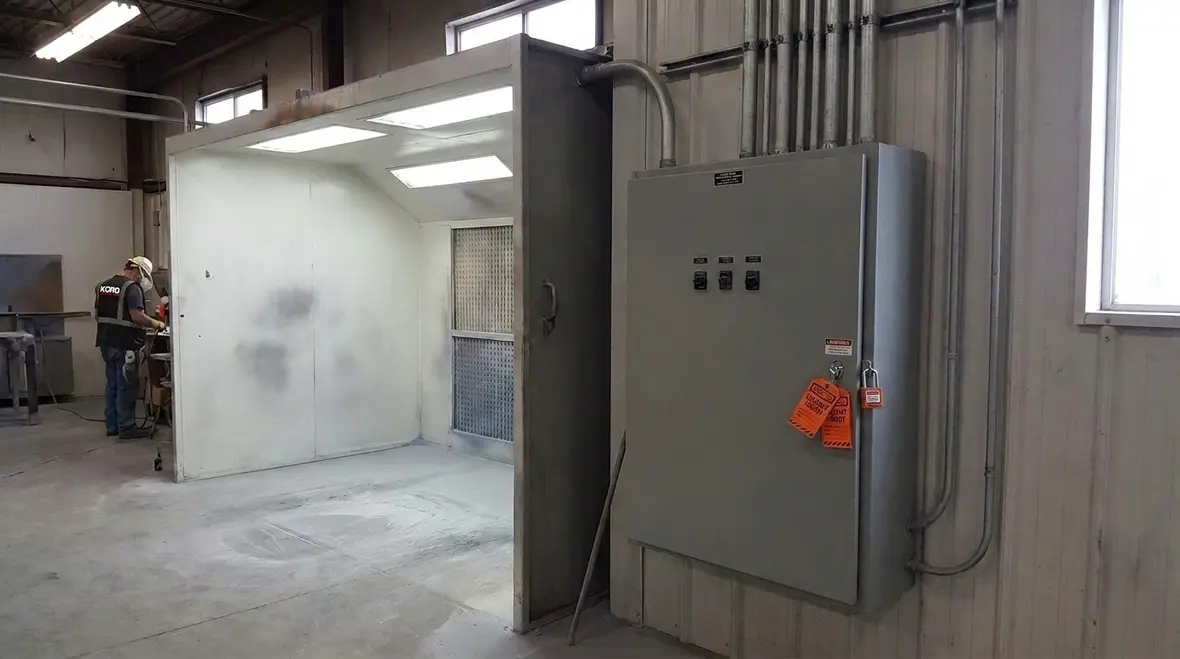
NFPA 33 Section 6.5: Electrical Devices in Areas Adjacent to Spray Areas
Quick Answer
NFPA 33 Section 6.5 requires controlling ignition sources where electrical equipment may be exposed to spray mist, flammable vapors, or residues. Compliance depends on proper device selection, installation, sealing, wiring methods, and ongoing inspection to prevent faults and hot surfaces.
Facilities working through broader spray-operation compliance issues often benefit from reviewing NFPA 33 equivalency and alternative compliance for spray operations alongside their electrical verification planning.
What Section 6.5 is trying to prevent (and why it matters in the real world)
In spray finishing operations, the highest fire risk often does not come from the spray equipment itself. It comes from ignition sources in the vicinity of spray where flammable atmospheres can form. NFPA 33 Section 6.5 focuses on NFPA 33 electrical devices adjacent spray areas because electrical components can create ignition through arcing, overheating, sparking contacts, improper wiring terminations, damaged enclosures, or unsealed conduits.
Commercial facilities experience this risk during normal production and during maintenance activities. Examples include changing filters, clearing overspray, replacing lamps and motors, and troubleshooting controls. These tasks can introduce new failure points such as compromised gaskets, loosened fittings, damaged cable jackets, or missing covers. A compliant design still fails when installation details degrade over time.
Which electrical devices fall under the “adjacent” scope?
“Adjacent” does not mean “immediately inside the spray booth.” Section 6.5 addresses areas where spray mist or vapors can migrate and where residues can accumulate. In practice, electrical devices that may be impacted include:
- Lighting and luminaires near prep stations, mixing rooms, spray booths, and transfer areas
- Motors and actuators for exhaust fans, pumps, conveyors, and spray equipment
- Switches, pilot lights, and control stations used for booth operations
- Junction boxes, pull boxes, and conduit bodies located near spray processes
- Heaters and dehumidification controls that may be present to manage humidity or drying
- Instrumentation such as pressure transducers, flow indicators, and level switches
- Receptacles and power strips that serve tools used for maintenance or spot cleaning
Facilities also overlook “supporting” equipment such as disconnects, breakers, and control panel components located on the exterior of a spray area but supplied to circuits feeding adjacent zones. Even if the device is technically “outside,” residue transfer and vapor drift can still create ignition hazards.
How to comply: selection, protection techniques, and installation details
Device selection that matches the hazard
Compliance begins with selecting electrical devices that can safely operate in the potential presence of flammable atmospheres. NFPA 33 Section 6.5 requires protection that accounts for how ignition can occur, including:
- Hot surfaces from normal operation or overload
- Arcing and sparking from switching and loose terminations
- Impact or friction sparks in mechanical interfaces that can be coupled to electrical systems
- Failure modes such as worn switches, degraded insulation, and compromised seals
In many commercial and industrial settings, the practical compliance challenge involves maintaining alignment between the equipment manufacturer’s listing and the installed condition. A device can be “rated” on paper but become noncompliant after modification, repainting, or enclosure damage.
Enclosures, fittings, and sealing: where inspections find problems
Even when the correct device is selected, installation details often drive failures. Typical problem areas include:
- Damaged seals around conduit entries and cable glands
- Missing conduit seals or improperly placed sealing fittings where required by the overall hazardous location strategy
- Inadequate gasketing on access covers and junction boxes
- Loose wiring terminations creating high resistance heating over time
- Unsupported conduit that experiences vibration and loosens connections
- Water or solvent intrusion that degrades insulation and accelerates corrosion
Commercial facilities should treat these as routine inspection items, not one time acceptance checks. Spray environments contain solvents and residues that can migrate into enclosures unless properly sealed and maintained.
Wiring methods and component integrity
Electrical devices adjacent to spray areas require wiring methods that limit the likelihood of ignition. Facilities should verify that cable types, routing, strain relief, and termination practices match the protective intent of the system. Common failure points include replacement of wiring with nonmatching cable types, adding junctions during rework, and using improper torque on terminals.
Where facilities maintain spray operations across multiple products, they should also confirm that the electrical protective strategy still applies. Changes in coatings, solvents, or process temperature can increase vapor generation and extend where a flammable atmosphere may exist.
Operational compliance: maintaining safety during production and maintenance
NFPA 33 compliance does not stop at installation. In the field, the highest risk period often occurs during production changes and maintenance downtime.
Lockout, tagout, and controlled access
When technicians open enclosures, replace lamps, or service controls, they temporarily interrupt the protective integrity of the electrical system. A compliant procedure requires:
- Documented lockout, tagout, and verification of de energized circuits
- Inspection of gaskets, covers, and seals before reassembly
- Correct torque and wiring integrity checks after reconnecting conductors
- Prompt restoration of all covers and protective devices
Housekeeping and residue management
Residue can create new hazards by insulating or overheating electrical components, and by providing fuel when ignited. Facilities should keep electrical enclosures, luminaires, and panel openings free from accumulated overspray and residue that can interfere with cooling.
Operational teams should coordinate with fire and safety staff so that housekeeping schedules explicitly address areas around NFPA 33 electrical devices adjacent spray areas, not just the spray booth floor and wet surfaces.
Preventive maintenance that targets ignition mechanisms
A preventive maintenance program should include targeted checks for ignition risk mechanisms such as loose terminations, damaged cable jackets, seal deterioration, and enclosure corrosion. When facilities use variable frequency drives, motor control centers, or relay control panels near spray areas, technicians should include inspections of heat dissipation and switching components that can age under solvent exposure.
Inspection and documentation: what to verify during compliance audits
Routine inspections should confirm both the presence of appropriate protective features and the condition of those features. Audits in commercial and industrial facilities typically evaluate:
- Device labeling and listing alignment with the installed environment
- Enclosure integrity, including covers, gaskets, and ingress protection condition
- Conduit and cable entries, including sealing practices and gland condition
- Thermal evidence such as discoloration, odor, or verified hot spots at terminations
- Correctness of wiring changes after repairs or upgrades
- Clearances and physical protection from mechanical damage
Because spray operations evolve, facilities should keep records that show how the hazardous control strategy remains valid. Documentation should include inspection findings, repair actions, and the configuration of the electrical system at the time of inspection.
If your facility needs a structured approach to fire protection system readiness, Kord Fire Protection supports compliance maintenance planning through ongoing inspections and corrective action coordination. For additional context on operational fire prevention practices, see our resource on commercial fire suppression systems and services.
Common noncompliance scenarios (and how to fix them)
Facilities frequently encounter the same recurring problems. The goal is to detect them early and correct them before they lead to ignition or failed inspections.
Scenario 1: Incompatible device replacements
Technicians replace a switch or light with a “similar” component that does not match the original protective intent. Correction includes verifying listing requirements, installing the correct device, and documenting the replacement standard for future maintenance.
Scenario 2: Compromised seals after service
After maintenance, enclosures remain installed but gaskets pinch, glands loosen, or covers do not seat properly. Correction includes restoring seals, verifying alignment, and adding inspection checkpoints immediately after maintenance closures.
Scenario 3: Overspray buildup around electrical enclosures
Overspray or residue accumulates and interferes with cooling, causing overheating. Correction includes tightening housekeeping procedures, updating cleaning methods, and verifying that electrical enclosures remain free of deposits.
Scenario 4: Loose terminations and overheating
Vibration and solvent exposure can degrade connections over time. Correction includes torque verification, insulation checks, and a documented preventive maintenance schedule focused on termination integrity.
Frequently Asked Questions
Next step: get an NFPA 33 compliant electrical verification plan
Protect your operation by verifying that NFPA 33 electrical devices adjacent spray areas match protective intent and stay in that condition after every maintenance event. Kord Fire Protection helps commercial, industrial, and retail facilities plan inspections, document findings, and drive corrective actions. Contact Kord Fire Protection to schedule an evaluation focused on electrical enclosure integrity, device suitability, installation details, and maintenance controls.

Join Our Newsletter!
Get the latest fire safety tips delivered straight to your inbox From our Newsletter.



