
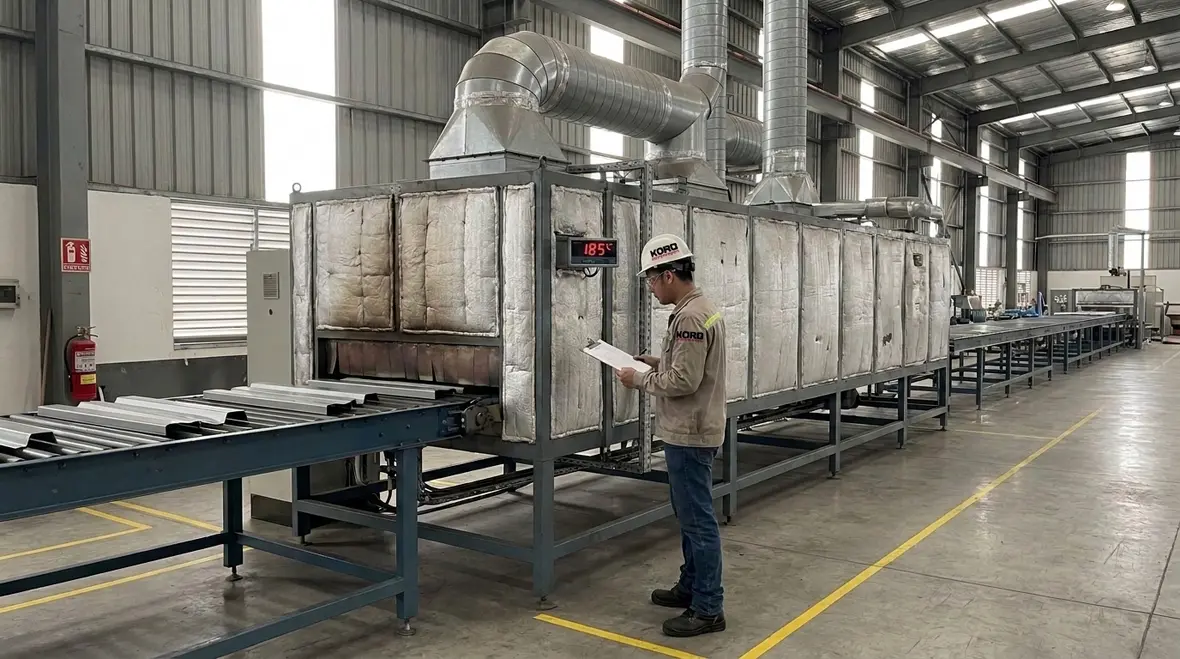
NFPA 33 Section 13.1 General: Drying, Curing, and Fusion Processes
Quick Answer
Navigating NFPA 33 Section 13.1 requires controlling ignition sources and managing flammable vapor hazards during drying, curing, and fusion. Facilities must verify ventilation performance, maintain equipment integrity, and follow operating safeguards that reduce the likelihood of flashback, overheating, and uncontrolled releases.
For facilities building a broader inspection strategy, it helps to pair these process safeguards with fire pump inspection and testing services so critical protection systems stay as ready as the production floor expects. For sites where controls, panels, and thermal equipment also need attention, industrial electrical preventive maintenance planning fits naturally into the same risk reduction conversation.
Why NFPA 33 drying curing fusion processes general requirements matter
NFPA 33 drying curing fusion processes general guidance exists because drying, curing, and fusion steps concentrate flammable constituents, heat, and ignition-capable surfaces into a short operating window. In many commercial and industrial settings, the highest risk comes from vapor accumulation, poor exhaust coverage, or equipment conditions that drift out of compliance during routine use. Within Section 13.1 general expectations, facilities must treat these processes as hazardous operations that require deliberate control, verification, and maintenance, not one time commissioning.
Commercial facility teams often focus on the coating or material chemistry but overlook failure modes tied to airflow, temperature control, ducting cleanliness, and safety device performance. Kord Fire Protection supports ongoing compliance by coordinating practical inspection and maintenance activities aligned with NFPA 33 expectations and operational realities on the shop floor.
What Section 13.1 “General” typically requires operationally
Section 13.1 general provisions set baseline obligations for how drying, curing, and fusion are conducted. While exact wording varies by edition and referenced sections, the operational intent remains consistent: the facility must prevent ignition of flammable atmospheres and prevent conditions that allow fire to propagate.
Core compliance themes facilities must implement
- Control of flammable vapor concentration through effective ventilation and exhaust management.
- Prevention of ignition sources including hot surfaces, mechanical sparks, and electrical hazards.
- Equipment integrity for heaters, ducts, fans, burners, and thermal control systems.
- Routine readiness of safety interlocks and operational procedures before the process starts.
- Ongoing housekeeping to reduce combustible residue and maintain designed airflow paths.
How drying, curing, and fusion create different risk profiles
Even when a facility uses similar equipment, the hazard evolves based on material behavior, thermal exposure, and residence time. NFPA 33 drying curing fusion processes general compliance should be applied by understanding what changes during each stage.
Drying: higher volatility, faster vapor generation
Drying removes solvents and other volatile components, which can rapidly generate flammable vapor mixtures around exhaust entrances, air movement paths, and any leak points. Common compliance challenges include inadequate capture velocity, duct routing that allows vapor stratification, and delayed start of exhaust relative to the introduction of coating material.
Curing: elevated temperature and longer exposure
Curing increases the likelihood of hot surface ignition and extends the time that energized equipment can interact with contaminated air. Poor temperature calibration, failing over temperature protection, and worn insulation or seals can create localized overheating. Residue buildup on heater elements, in ducts, or in plenums can also alter thermal performance and increase ignition probability.
Fusion: localized thermal energy and mechanical interactions
Fusion processes can involve higher heat flux and equipment configurations that introduce ignition sources. Mechanical components such as conveyors, rollers, or moving applicators can generate sparks through wear or misalignment. Facilities often underestimate how quickly residue can accumulate near mechanical drive areas and how this residue can lower ignition thresholds.
Ventilation, exhaust, and airflow verification in real facilities
Ventilation is the practical backbone of compliance for drying, curing, and fusion. NFPA 33 expectations typically require that ventilation systems function as intended during operation. That means facilities must validate both design and performance, then keep it stable over time.
Inspection points that prevent common failures
- Exhaust coverage: verify that the hood or enclosure captures vapors at the source, not only where vapors drift.
- Fan performance: check that fan speed, belt tension, dampers, and motor loads match the required operational condition.
- Duct condition: inspect for accumulated residue that reduces flow area and disrupts pressure balance.
- Pressure control: confirm that negative pressure or flow direction prevents vapors from migrating into other production areas.
- Interlock timing: ensure exhaust start and safe state checks occur before process heat begins.
Commissioning, then maintenance
Many plants commission ventilation at installation, then drift occurs due to belt wear, changed production rates, duct modifications, or filter loading. Kord Fire Protection helps facilities treat ventilation as a living system by supporting inspection planning, documentation, and corrective maintenance workflows tied to commercial facility schedules.
Ignition source control: heaters, electrical systems, and hot surfaces
NFPA 33 drying curing fusion processes general safeguards require that ignition sources remain controlled and predictable. The highest risk points are often not the obvious flame sources but the surfaces and components that operate intermittently or drift out of tolerance.
Typical ignition source risk areas
- Heater elements and burners: degraded components or improper combustion can raise temperatures beyond designed limits.
- Thermal controls: faulty thermostats, controller offsets, or stuck relays can bypass safe operating ranges.
- Electrical enclosures: damaged junction boxes, loose connections, or improperly rated components can create arc or high resistance heating.
- Hot surfaces outside the work zone: ducts, plenums, or insulation failures can elevate temperatures where vapor leaks reach.
- Mechanical sparks: conveyor misalignment, bearing failures, and contact points can ignite accumulated residues.
Maintenance practices that reduce risk
Commercial compliance depends on consistent maintenance discipline. Facilities should include heater inspection, thermal sensor calibration verification, electrical terminations checks, and mechanical alignment verification as part of a documented preventive maintenance program. Kord Fire Protection can support these efforts by aligning safety reviews with the risk controls expected by NFPA 33 and the operational conditions common in industrial and retail manufacturing environments.
Documentation, training, and inspection readiness
Even when equipment functions properly, compliance often fails at the documentation and training layer. Inspectors and internal safety audits frequently focus on evidence that controls were established and are maintained.
What strong compliance documentation usually includes
- Operating procedures describing start up sequencing, safe shutdown, and abnormal condition response.
- Inspection and maintenance records for ventilation, thermal controls, duct condition, and interlock verification.
- Training records for operators on vapor control expectations and safe handling during process changes.
- Change management documentation for any equipment modification, material substitution, or throughput changes.
For facilities building an inspection and maintenance framework, Kord Fire Protection emphasizes structured compliance support. Teams that also manage broader life safety systems often benefit from a practical look at fire protection services to keep inspection readiness connected across the site.
Frequently Asked Questions
Take action now
Confirm your drying, curing, and fusion setup aligns with NFPA 33 Section 13.1 general expectations by validating ventilation performance, ignition source controls, and preventive maintenance documentation. Kord Fire Protection helps commercial facilities build inspection readiness and reduce process day ignition risk through coordinated testing, maintenance support, and compliance planning. Schedule an assessment so corrective actions match your actual operating conditions and inspection priorities.

Join Our Newsletter!
Get the latest fire safety tips delivered straight to your inbox From our Newsletter.



