
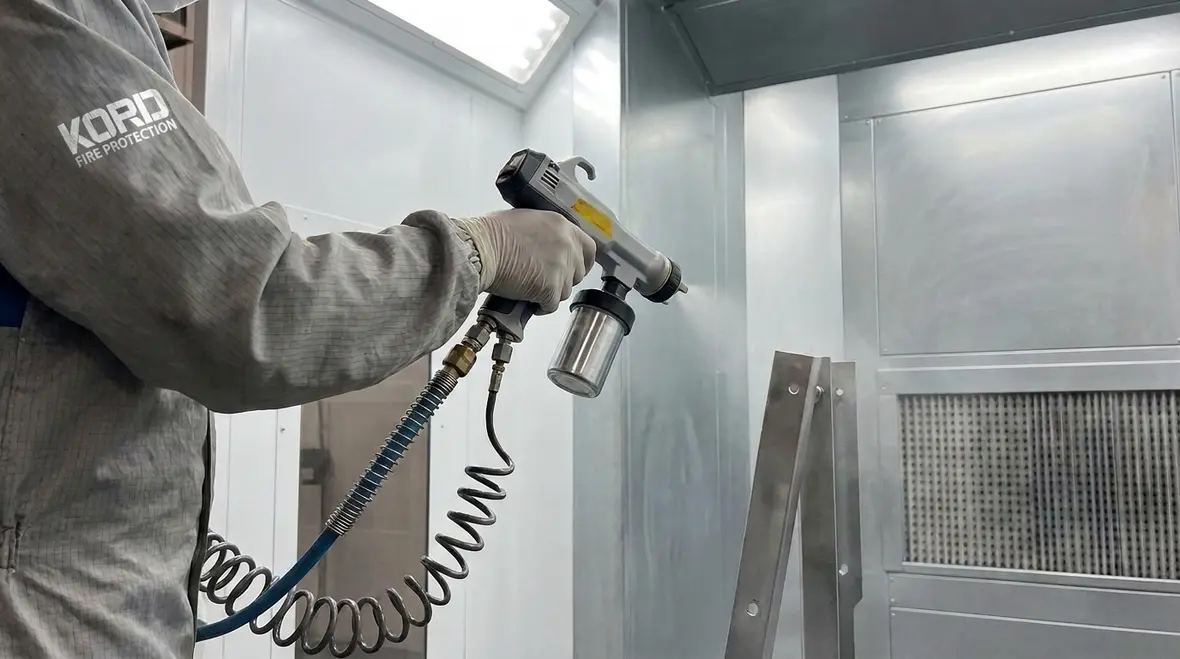
NFPA 33 Section 12.1 Scope: Handheld Electrostatic Spray Equipment
Quick Answer
The NFPA 33 handheld electrostatic spray scope in Section 12.1 establishes the boundaries for applying safe requirements to handheld electrostatic spray equipment. It clarifies which systems fall under the standard, guiding installers, operators, inspectors, and maintenance teams to verify protective features, controls, and safe operation.
What does NFPA 33 Section 12.1 scope include?
NFPA 33 addresses fire and explosion prevention for spraying operations. Within that framework, Section 12.1 focuses specifically on handheld electrostatic spray equipment. This means the scope is tied to how the equipment is operated, the hazards created by electrostatic atomization, and the performance of protective measures that prevent hazardous ignition sources and unsafe electrical conditions.
For facilities, the practical compliance challenge is not only whether the equipment is present, but whether the handheld electrostatic spray setup matches what the standard intends to cover. When equipment selection, charging method, grounding approach, spray technique, and maintenance practices do not align with the scope, inspection results can turn into operational stoppages and costly rework.
Early in that review, many facilities also benefit from pairing spray compliance planning with broader fire protection services so the handheld electrostatic process is evaluated alongside alarms, sprinklers, suppression systems, and inspection readiness.
Target keyword use: Proper interpretation of the NFPA 33 handheld electrostatic spray scope supports repeatable compliance across shifts, sites, and contractors.
Why handheld electrostatic spray changes the safety approach
Electrostatic spraying introduces additional hazards compared with non-electrostatic spraying. The electrostatic charge can increase the risk profile related to ignition, arcing, charge dissipation, and operator interaction. For handheld units, the standard scope recognizes that real world use involves frequent movement, hose and cable flexing, trigger cycling, variable spray patterns, and frequent handling by different operators.
From a fire safety and inspection standpoint, this drives stronger attention to electrical protective features and the conditions that affect them, including:
- Grounding integrity of the gun, operator pathways, workpiece, and conductive objects in the spray zone
- Control system functionality that prevents unsafe charging or unsafe energization states
- Condition of hoses, whip components, and high voltage connections that can degrade under mechanical stress
- Verification that the equipment performs as intended after maintenance, component replacement, or refurbishment
Key compliance elements inspectors verify under the Section 12.1 scope
Section 12.1 scope is best treated as an “inspection map.” Facilities can reduce surprises by aligning documentation, equipment condition, and operating procedures to what inspectors typically look for on handheld electrostatic spray systems.
1) Equipment configuration that matches the covered use case
Inspectors commonly confirm the equipment type and operating setup against the scope intent. This includes verifying that the system is truly handheld, that electrostatic charging is part of the delivery method, and that the configuration has not been modified outside manufacturer instructions.
Operational failure point: facilities sometimes treat handheld units like general spray tools and mix components from different kits, causing loss of system-level bonding and control behavior.
2) Grounding and bonding performance
Grounding is central to electrostatic safety. Under handheld use, grounding must remain reliable despite movement of the operator, hose flexing, and repositioning of conductive objects. The inspection emphasis typically includes:
- Continuity of conductive paths and bonds between the electrostatic components and ground
- Integrity of grounding connections and clamps, including corrosion or loosening over time
- Verification procedures after repairs or part replacement
Operational failure point: intermittent grounding caused by worn cables, damaged whip hoses, or poorly maintained connection points that fail under vibration or handling.
3) Electrical control behavior and protective limits
Handheld electrostatic systems must maintain safe operating control. Facilities should ensure that interlocks, control modules, and charging limits respond as designed. During inspection, the focus often shifts to whether the system can enter safe states, whether abnormal conditions are prevented, and whether control components remain functional over time.
Operational failure point: outdated or bypassed controls, or replacing components without validating the full system response.
4) Hose assemblies, high voltage components, and wear items
Because handheld equipment experiences frequent flexing and impact, wear and damage become recurring compliance issues. Inspectors typically assess condition and confirm maintenance records show consistent preventive actions. Hose and cable issues commonly include insulation deterioration, connector damage, and internal wear that is not obvious without proper inspection.
Operational failure point: “working today” replacement decisions where damaged parts remain in service until a complete failure occurs.
Common commercial facility problems that trigger noncompliance
Retail, industrial, and commercial paint application environments often share similar operational realities: tight production windows, frequent contractor changes, and patchwork maintenance schedules. These conditions can create predictable gaps even when teams intend to comply.
- Inconsistent training: Operators may understand spray technique but not the grounding and charging system implications of electrostatic handheld operation.
- Maintenance performed without system validation: Replacing hoses or electronic modules without confirming the overall safe operating behavior.
- Missing inspection documentation: Records that list “visual checks” without evidence of required functional checks and electrical safety verifications.
- Work practice drift: Temporary adjustments that remain in place, such as modified cable routing or altered conductive contact points.
- Inadequate cleaning and corrosion control: Residues on connectors, degraded bonding surfaces, and corrosion that undermines electrical performance.
Kord Fire Protection supports commercial facilities by translating NFPA 33 requirements into practical inspection and maintenance workflows that align equipment condition, operational procedures, and documentation.
How to build an NFPA 33 compliance program around handheld electrostatic spraying
A strong program treats handheld electrostatic spray equipment as a controlled safety system, not a simple tool. Facilities typically improve compliance outcomes by using a structured approach that includes risk controls, maintenance, and verification.
Operational controls
- Written procedures for startup, shutdown, and safe handling of handheld guns and hoses
- Operator awareness of grounding requirements and safe work zones
- Controlled changes management for components, suppliers, and maintenance contractors
Preventive maintenance and inspection cadence
Because handheld equipment degrades faster due to handling, preventive maintenance needs to reflect actual usage intensity. Facilities typically benefit from:
- Documented inspection points for hoses, whip assemblies, and connection interfaces
- Maintenance logs that capture part replacement and the validation performed after service
- Corrective action workflows when issues are found, including equipment quarantine until verified safe
Third party verification that reduces inspection risk
Third party fire protection and compliance support can reduce uncertainty by providing consistent interpretation, inspection readiness, and documented corrective action. To strengthen your program, Kord Fire Protection can help align your process to NFPA 33 expectations, including field-ready checklists and maintenance follow up.
Grounding issues rarely stay politely in one lane, so facilities that want a sharper look at bonding and electrical verification can also review electrical preventative maintenance for commercial power as a related resource.
For a closely related code discussion, see NFPA 33 Section 1.3 application for spray operations covered and excluded, which helps frame where handheld electrostatic equipment sits in the broader standard.
Facilities evaluating alternate approaches may also want to read NFPA 33 Section 1.5 equivalency for alternative compliance to understand how equivalency discussions connect back to inspection readiness.
Frequently Asked Questions
Conclusion and Call to Action
Interpretation of the NFPA 33 handheld electrostatic spray scope in Section 12.1 becomes practical only when your equipment setup, grounding performance, maintenance records, and operating procedures work together. Conduct a handheld electrostatic equipment audit, confirm scope fit and protective function, and document verification after service. Kord Fire Protection can help commercial and industrial facilities turn NFPA 33 expectations into an inspection ready program with ongoing support and corrective action tracking.

Join Our Newsletter!
Get the latest fire safety tips delivered straight to your inbox From our Newsletter.



