
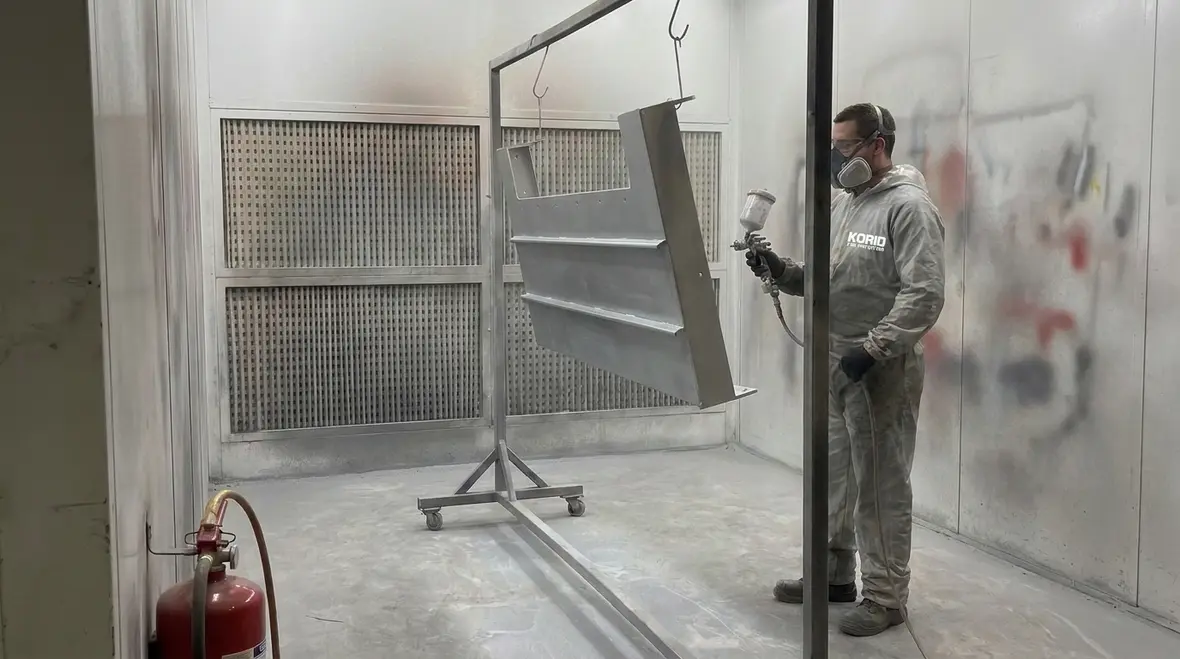
NFPA 33 Section 1.3 Application: Spray Operations Covered and Excluded
Quick Answer: NFPA 33 Section 1.3 defines which spray operations fall under the standard and which ones do not. The determination depends on the substance being sprayed, the equipment and process design, the method of application, and the overall fire hazard controls in place. Correct classification drives compliant layout, bonding and grounding, and inspection.
For facilities tightening their code alignment across multiple systems, it also helps to review NFPA codes and guidelines solutions for fire protection and life safety so the spray program is not operating in its own little universe.
Why Section 1.3 Classification Matters in Real Facilities
Commercial and industrial facilities rarely fail because they ignore fire safety entirely. They fail because spray processes get misclassified during renovations, contractor changes, or equipment upgrades. NFPA 33 application covered spray operations exclusions often get overlooked when work scopes shift from one coating type or delivery method to another, or when “similar” spray work gets treated as interchangeable.
From a compliance standpoint, the classification in NFPA 33 Section 1.3 controls the expectations for protective measures such as ventilation, ignition source control, electrical equipment selection, grounding and bonding, spray booth and room design criteria, and ongoing inspection and maintenance. Kord Fire Protection commonly sees that the paperwork lags behind the operational reality, especially when multiple contractors perform coating, adhesive, or finishing tasks in the same area.
What NFPA 33 Section 1.3 Typically Covers: Spray Operations and Processes
NFPA 33 focuses on fire and explosion hazards associated with spraying flammable and combustible materials and with equipment that atomizes, transfers, and applies those materials. In covered operations, the standard generally expects the facility to manage both the flammable vapor ignition risk and the impact of overspray and residue accumulation.
1) Spraying of Flammable or Combustible Materials
When the process uses spray equipment to atomize coating materials, adhesives, sealants, or similar substances that can produce ignitable vapors or residues, the operation is typically within NFPA 33 application coverage. The key is that the substance and the application method create a spray atmosphere and related ignition potential.
Practical compliance issue: facilities often store multiple product lines (new chemistries, different viscosities, different solvents) but keep the same spray area classification. Even when the application equipment stays in place, changes in the sprayed material can move the operation closer to or farther from the standard’s intended hazard controls.
2) Atomization and Delivery Systems That Create a Spray Cloud
Covered spray operations generally include systems that atomize liquid or melt materials into droplets or particles that can suspend in air, form a flammable mixture, or deposit overspray onto surfaces. This includes many air atomizing, airless, and other spray arrangements where the process creates a hazardous spray atmosphere.
Maintenance failure point: worn spray guns, leaking hoses, or improperly maintained fluid nozzles can increase vapor and mist release. Over time, this can raise risk even if the original installation was compliant. NFPA 33 compliance becomes an operational, not just installation, requirement.
3) Locations Where Overspray and Residue Accumulate
NFPA 33 application coverage becomes especially important where overspray can collect on floors, walls, ceilings, filter media, or ductwork. Accumulated residue can introduce delayed ignition potential and contribute to fire spread. Covered installations typically require facility practices that keep those surfaces managed.
Inspection challenge: residue is often mistaken for “dust” or “finish overspray” that gets handled only during deep cleaning cycles. A compliant program coordinates cleaning frequency with spray usage, product chemistry, and ventilation performance.
What NFPA 33 Often Excludes: Operations and Scenarios Outside the Core Spray Hazard Scope
Exclusions in NFPA 33 Section 1.3 exist because certain processes do not present the same spray atmosphere hazards or because other standards provide the appropriate coverage. The goal is not to exempt facilities from fire safety, but to direct them to the correct regulatory framework.
In practice, NFPA 33 application covered spray operations exclusions most commonly come up when facilities switch away from spray atomization, reduce flammable vapor generation, or move into application methods that do not create the same hazardous spray cloud characteristics.
1) Non Spray Application Methods or Low Atomization Hazards
Operations that apply material by means that do not generate a hazardous spray cloud may fall outside NFPA 33. Examples at a high level include application methods where atomization is minimal or where the process does not create conditions similar to traditional spray finishing.
Common misstep: some facilities treat roll coating, brushing, or dipping as “spray finishing” because they use the same chemicals in the same room. Exclusion determinations require evaluating how the application method creates aerosols, mist, or suspended particles and how that affects ignition potential.
2) Uses Where Other Codes and Standards Govern the Hazard Control Strategy
When a process is more appropriately addressed by other fire protection requirements, NFPA 33 may not apply. This can happen when the primary hazard is managed under a different code pathway, such as for dust collection processes, specific industrial environments, or specialized handling conditions.
Compliance challenge: facilities often have multiple code-driven programs. Without a documented hazard-based mapping between processes and applicable standards, contractors may inadvertently treat exclusions as blanket exemptions. Kord Fire Protection helps commercial teams build a defensible crosswalk so inspections and insurance reviews remain consistent.
3) Situations Where Sprayed Materials and Operating Conditions Do Not Produce the Relevant Spray Atmosphere Hazards
Exclusions can also align with product and condition realities. If a process does not involve substances or operating conditions that create the hazardous spray atmosphere contemplated by NFPA 33, the standard may not be the controlling reference for that specific task.
Critical detail: “water based” does not automatically mean “no hazard.” Some formulations can still produce combustible or ignitable conditions depending on formulation, temperature, and ventilation. A correct NFPA 33 application covered spray operations exclusions determination evaluates the actual products, not assumptions.
How Facilities Should Document Coverage vs Exclusion (So It Holds Up Under Inspection)
Even when a process feels minor, inspectors look for evidence that the facility made a proper classification decision. A strong documentation package reduces rework and prevents scope disputes between the facility and contractors.
Step 1: Identify the Exact Spray Processes and Products
- List spray types in use (air atomized, airless, electrostatic, hot spray, and any specialty equipment).
- Record product trade names, SDS information, and any process parameters affecting vapor generation.
- Define the application location boundaries including access lanes and overspray containment areas.
Step 2: Evaluate the Application Mechanism Against the Standard’s Spray Atmosphere Intent
- Confirm whether the process forms aerosols or suspended particles capable of ignition.
- Assess whether the process produces mist or vapor sufficient to require spray enclosure controls.
- Verify whether the equipment design and operation create overspray deposition patterns.
Step 3: Link the Determination to the Required Protective Measures
Coverage and exclusion are not just labels. They drive what the facility must implement. Covered spray areas typically require coordinated controls for ventilation, electrical classifications, ignition control, grounding and bonding where applicable, safe maintenance practices, and scheduled inspections.
Exclusions still require hazard awareness, but the facility should apply the correct alternative code pathway. Kord Fire Protection supports commercial facilities by aligning inspections, impairment checks, and preventive maintenance with the right standard for each operation.
Operational Compliance Checks That Commonly Fail During Spray Work
Facilities often have the correct narrative, but the field execution drifts. The following are common failure points during spray operations, whether the area is treated as covered or excluded, because day to day conditions influence hazard reality.
Ventilation performance and airflow imbalance
Spray areas depend on ventilation to control vapor concentration and manage overspray movement. Blocked filters, malfunctioning fans, incorrect makeup air rates, or changes in duct routing often degrade control. Documentation should include inspection intervals and verification methods for airflow.
Electrical installation and ignition source management
Static discharge, inappropriate electrical equipment use, and poor maintenance of bonding connections can introduce ignition sources. After repairs or equipment swaps, facilities must verify that electrical and grounding assumptions remain valid.
Hoses, gun seals, and spray pattern drift
Leaks and worn components increase unintended mist release. Spray pattern drift can expand overspray footprint, increasing residue accumulation and raising the likelihood of ignitable deposits. A preventive maintenance program should match the operational frequency of spray work.
Cleaning practices that do not match usage intensity
Over time, residue accumulation can become combustible or can interfere with ventilation and filter capacity. Cleaning schedules should consider product chemistry, run time, and measured airflow or inspection findings.
Need Help Aligning NFPA Requirements Across Your Spray Program?
For commercial facilities managing multiple coating and finishing contractors, the most efficient compliance approach is a process based program that maps each operation to the correct standard, verification method, and maintenance plan. Kord Fire Protection assists organizations with inspection readiness, documentation alignment, and ongoing service that supports safe operations and reduces costly downtime during compliance reviews.
If your site uses spray processes and you need a structured compliance strategy, review additional guidance through our internal resource here: Spray Booth Fire Suppression for Safer Paint Operations.
Frequently Asked Questions
Conclusion and Call to Action
NFPA 33 Section 1.3 application decisions directly affect how your spray areas must be designed, maintained, and inspected. Facilities that treat coverage and exclusion as assumptions often face repeat corrections, schedule disruptions, and inspection findings. Kord Fire Protection can help you classify spray tasks correctly, align protective measures with the right code pathway, and keep documentation current through ongoing service. Contact Kord Fire Protection today to build a defensible compliance plan for your spray program.

Join Our Newsletter!
Get the latest fire safety tips delivered straight to your inbox From our Newsletter.



