NFPA 33 Section 12.2: General Rules for Handheld Electrostatic Apparatus
Quick Answer: NFPA 33 Section 12.2 sets the baseline operational and safety requirements for handheld electrostatic applicators. It focuses on controlling ignition hazards, maintaining safe handling practices, and ensuring equipment is properly designed, inspected, and maintained to prevent electrostatic discharge risks.
What does NFPA 33 Section 12.2 require for handheld devices?
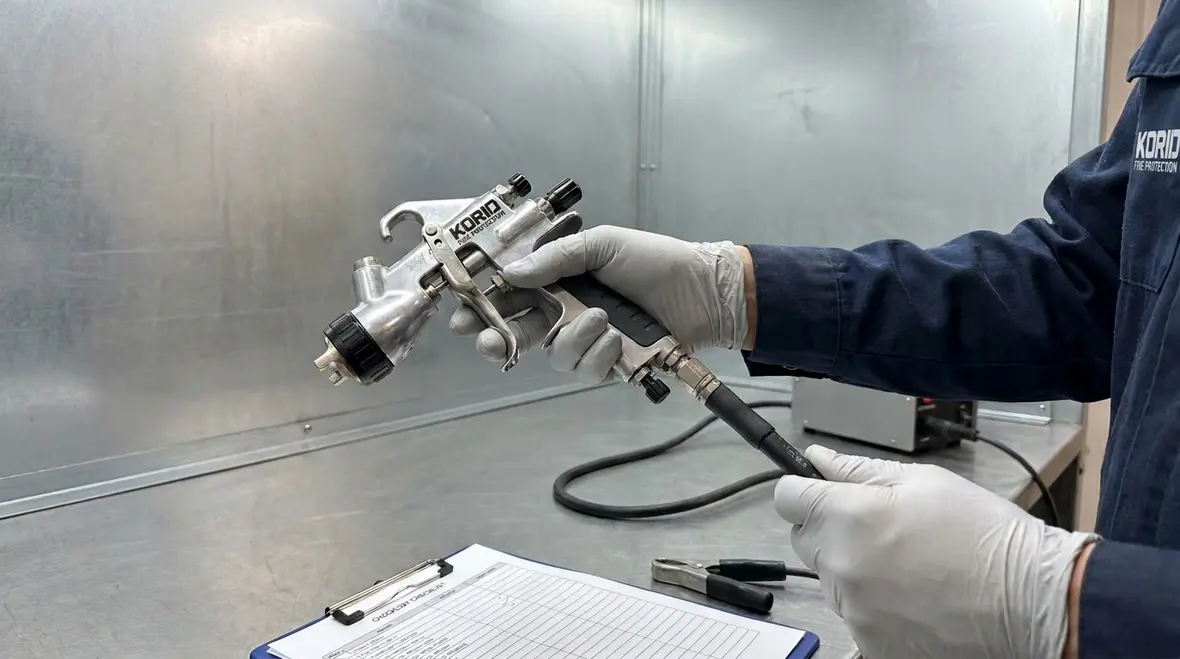
Facilities that use spraying, coating, or related application methods with handheld electrostatic equipment must follow the NFPA 33 handheld electrostatic apparatus general rules in Section 12.2. The intent is straightforward: prevent unwanted ignition from electrostatic discharge and ensure the applicator and support systems operate within safe limits through correct use, inspection, and maintenance.
In commercial, industrial, and retail environments, Section 12.2 is where many compliance gaps appear. Teams often focus on training and product SDSs, but overlook the day to day mechanical and electrical condition checks that determine whether handheld electrostatic apparatus continues to perform safely.
If your team is tightening inspection workflows and compliance records across multiple systems, Kord Fire Protection’s full fire protection services can help connect inspections, maintenance, corrective actions, and documentation into one coordinated program.
1) Safe operation fundamentals: how handheld electrostatic applicators must be used
Section 12.2 general rules concentrate on safe operation. For handheld systems, that typically includes controlling the applicator’s operating state and ensuring the operator uses the equipment as designed. Key compliance expectations usually include:
Use of approved operating modes. The handheld applicator must be operated within its designed parameters, including correct connections and intended charging and control functions.
Stable electrical performance. The apparatus must maintain its intended electrostatic charge behavior. If the charging function is degraded, the device may not apply material correctly and can also create unintended discharge conditions.
Correct start up, spraying, and shutdown sequences. Proper procedures help prevent exposure to ignition capable conditions during transitions.
Practical challenge: handheld devices get moved, bumped, and handled frequently. Even when operators follow procedural steps, the physical condition of cables, connectors, and housings can drift out of safe condition without obvious signs to the untrained eye. This is why inspection and maintenance must be part of routine operations, not a quarterly afterthought.
2) Ignition hazard control: preventing electrostatic discharge and ignition capable conditions
Handheld electrostatic equipment is only as safe as the ignition hazard controls around it. NFPA 33 Section 12.2 aligns handheld use with broader electrostatic safety concepts, meaning the facility must manage both electrical discharge risk and the presence of flammable mixtures.
What facilities commonly miss
Damage to insulation, hoses, or covers. Small cracks or abrasion can change how charge is controlled and can create new discharge paths.
Connector wear or looseness. Intermittent connections can lead to inconsistent charging performance.
Inadequate housekeeping around spraying areas. Residues can contribute to hazards and interfere with normal performance and inspections.
In facility terms, compliance work must connect electrostatic equipment condition with the actual area risk management program. When a commercial coating line, parts washer area, or retail finishing bay is reconfigured, the electrostatic risk review must be revisited, not assumed unchanged.
For teams seeking a structured approach to overall fire and explosion protection in coating and dispensing environments, Kord Fire Protection supports risk based planning and documentation aligned to common NFPA expectations. If you are building an audit ready program, consult Kord Fire Protection for ongoing compliance support.
3) Inspection and maintenance: the compliance backbone for handheld apparatus
Section 12.2 emphasis on general rules means handheld equipment must be kept in safe working condition. That typically requires:
Documented inspection routines. Operators and supervisors must confirm the apparatus is visually sound, properly connected, and free from obvious damage before use.
Component level checks. Cables, handles, housings, grounding provisions, and charging related components require attention because these areas see the highest wear and physical abuse.
Maintenance by qualified personnel. Repairs and replacements should be performed using the correct parts and procedures so the device returns to a safe configuration.
Common failure points seen in the field
Commercial and industrial facilities often report the same recurring issues:
Intermittent charging due to connector contamination. Overspray, dust, and residue can affect electrical contact quality.
Wear at strain relief points. Handheld movement concentrates stress at cable transitions.
Unverified repairs. Repairs made without correct component matching can change performance and create non compliant operating conditions.
Kord Fire Protection helps facilities close these gaps by supporting inspection planning, maintenance documentation, and readiness for internal and external reviews. This reduces downtime caused by late discovered equipment defects and improves confidence that the NFPA 33 handheld electrostatic apparatus general rules are met in practice, not only in policy.
For a deeper look at how recordkeeping supports inspection readiness, see Kord Fire Protection’s fire safety system documentation for compliance article.
4) Training and operational controls: ensuring people follow the rules
Even the best equipment cannot compensate for inconsistent operation. Section 12.2 general rules operate as part of an integrated safety system, so facilities must ensure personnel understand:
Correct handling of the handheld unit. Operators should know what damage looks like and how to respond when issues are found.
What changes require reporting. Any abnormal performance, unexpected behavior, or physical damage should trigger a stop use and inspection action.
Location and area restrictions. Handheld electrostatic use must align with the approved hazardous location practices and ventilation or control measures for that specific area.
For compliance, training records matter because they demonstrate consistent competency. For practical operations, training also reduces the frequency of “temporary fixes,” such as bypassing damaged components, that can quietly invalidate a safe system.
5) Documentation and audit readiness: how to prove compliance
NFPA 33 Section 12.2 is often enforced through the ability to show that safe operation and maintenance occur systematically. Strong programs typically include:
Written procedures for start up, spraying, and shutdown. These should match the actual equipment and work practices.
Inspection and maintenance logs. Logs should capture condition findings, corrective actions, and the responsible person or vendor.
Change control records. Updates after equipment replacement, area layout changes, or process modifications help prove ongoing compliance.
When facilities structure documentation around NFPA 33 handheld electrostatic apparatus general rules, they reduce ambiguity during incident investigations and inspections. Kord Fire Protection can support the documentation workflow so your program stays organized and audit ready.
Teams preparing for a formal review may also find Kord’s fire protection compliance auditing guide useful for tightening up the evidence trail before inspectors arrive.
Frequently Asked Questions
Call to action
Handheld electrostatic systems require more than training and a label. Build a defensible program that verifies safe operation, inspection routines, and maintenance documentation aligned to NFPA 33 handheld electrostatic apparatus general rules. Schedule a compliance and maintenance review with Kord Fire Protection to strengthen readiness, reduce downtime, and keep your electrostatic operations audit ready.

Join Our Newsletter!
Get the latest fire safety tips delivered straight to your inbox From our Newsletter.