
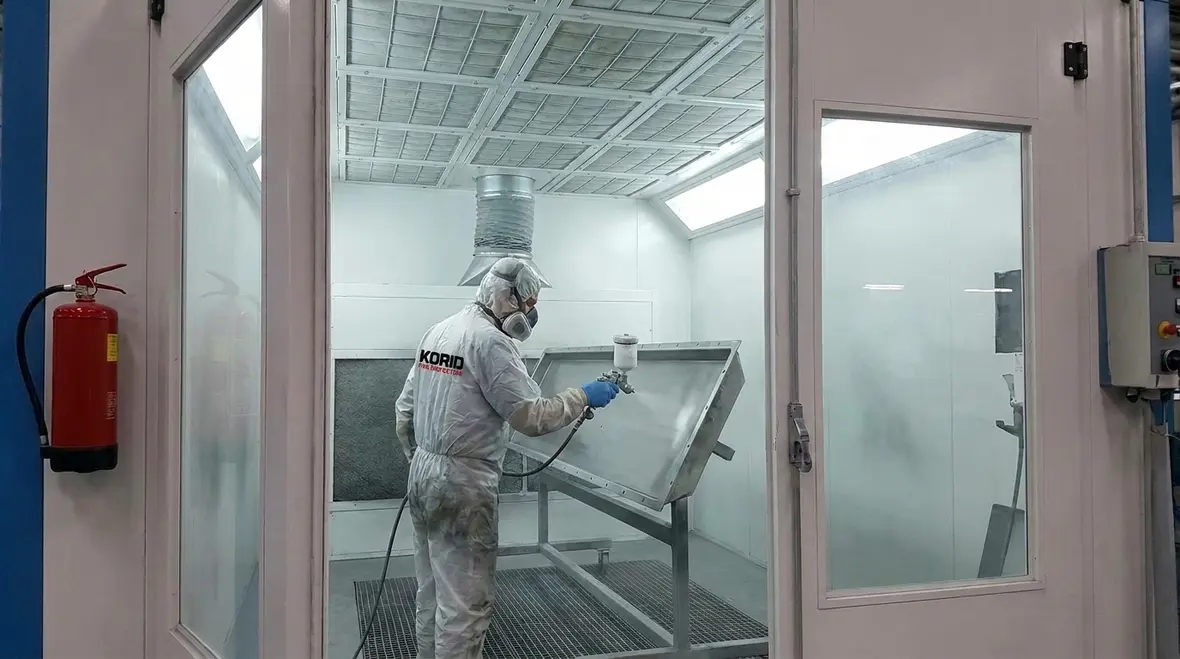
NFPA 33 Section 1.2 Purpose: Fire and Explosion Prevention in Spray Operations
Quick Answer: NFPA 33 Section 1.2 states the framework for preventing fires and explosions during spray operations. It drives hazard identification, equipment controls, safe operating practices, and ongoing maintenance. This supports compliant facilities and reduces ignition and release risks across industrial and retail spray processes.
Facilities reviewing spray area protection often also benefit from a closer look at spray booth fire suppression for safer paint operations, especially when aligning booth hazards, inspections, and maintenance with day to day production needs.
What does the NFPA 33 purpose cover in spray operations?
The NFPA 33 purpose fire explosion prevention spray operations requirement in Section 1.2 focuses on controlling the conditions that create ignition and escalation during spraying. Spray processes combine flammable vapors, atomized material, ignition sources, and often energized equipment in close proximity. NFPA 33 purpose guidance prioritizes engineering controls, process management, and administrative controls so ignition does not occur and if a release happens, fire and explosion consequences remain limited.
In practice, Section 1.2 functions as the intent behind the rest of NFPA 33: facilities must implement preventive measures that align with the hazards of their specific spray application, coatings, solvents, and operating environment. For commercial and industrial sites, that means treating spray operations as a regulated process with documented controls, inspection routines, and maintenance verification, not as a one time installation task.
How NFPA 33 Section 1.2 shapes the prevention strategy
Section 1.2 purpose establishes prevention as a layered approach. That approach typically includes three prevention lanes that facilities must integrate throughout design, commissioning, operation, and maintenance.
Lane 1: Reduce flammable atmosphere formation
Flammable vapor and mist generation rises with solvent selection, application rate, spray booth or enclosure performance, and airflow control. Facilities implement exhaust ventilation, proper booth design and maintenance, and controlled handling of containers and transfer areas. Inspectors evaluate whether ventilation and enclosure performance match the process conditions, not only whether equipment exists on paper.
Lane 2: Eliminate or control ignition sources
Ignition control requires more than “no smoking” rules. NFPA 33 purpose expects facilities to manage ignition sources that can include static discharge, electrical systems, hot surfaces, improperly grounded equipment, damaged electrical enclosures, and mechanical sparks from failed components. Commercial facilities often struggle when spray areas share electrical distribution with non rated equipment or when modifications move hoses, cords, or lighting without updating classifications and protections.
Lane 3: Limit escalation and ensure safe intervention
Prevention includes limiting fire spread and ensuring operators can respond safely. This includes maintaining separation distances, keeping fuel and combustibles under control around the spray zone, and ensuring emergency access and shutdown capability. Facilities also need to confirm that any suppression or emergency systems required by the governing rules remain operational through inspection and maintenance.
Where compliance breaks down in real commercial facilities
NFPA 33 purpose guidance becomes practical when facilities translate intent into operational controls. Common failure points often occur during routine work, housekeeping, and maintenance cycles.
1) Ventilation performance drift over time
Exhaust fans, filters, ducting, and airflow controls degrade. Reduced airflow can allow flammable vapors or mists to accumulate. Many facilities schedule maintenance around convenience rather than performance verification. Inspectors frequently look for evidence that airflow is maintained at required levels and that filters and duct systems receive documented inspection and replacement.
2) Grounding and bonding inconsistencies
Static electricity control depends on continuous conductive paths and correct bonding of hoses, containers, and equipment. Repairs and equipment swaps can introduce non conductive components or damaged bonding straps. A typical failure is the “temporary replacement” of a hose or fitting that does not match the original conductive specification.
3) Electrical and equipment condition not verified
Electrical systems and motors used in spray environments require proper protection and condition. Gaskets, seals, conduit seals, covers, and explosion proof or intrinsically safe characteristics must remain intact. A common operational challenge is that maintenance teams replace parts without confirming ratings, leading to degraded or non compliant conditions that undermine NFPA 33 purpose fire and explosion prevention.
4) Operator practices do not match the hazard
Even with correct hardware, failure occurs when procedure management is inconsistent. Examples include improper container handling, leaving solvent containers open, incorrect spray startup and shutdown sequencing, and inadequate control of purge cycles. Commercial retailers and smaller industrial shops often face turnover and training gaps that erode process discipline.
Inspection, maintenance, and documentation expectations
NFPA 33 Section 1.2 purpose sets the expectation that prevention measures must remain effective. That requirement typically translates into inspection, testing, and maintenance programs with documented results and clear ownership.
What inspectors commonly verify
-
Spray area ventilation equipment condition, filter management, duct integrity, and airflow performance evidence.
-
Grounding and bonding continuity procedures for hoses, tanks, and equipment used in spray operations.
-
Electrical equipment condition, covers, seals, and changes to equipment or wiring since the last compliance review.
-
Housekeeping and control of combustibles within and around the spray area.
-
Operator training records and written procedures that reflect actual operating steps.
Maintenance that keeps protection functional
A practical maintenance program treats spray fire protection like a performance system. It schedules preventive maintenance for fans, filters, ducting, ignition source controls, and any related safety interlocks. It also includes a change management process so modifications to spray equipment, solvent handling, lighting, wiring, or structural enclosures trigger a compliance review.
If a facility wants an additional compliance support layer, partnering with Kord Fire Protection helps maintain continuity between NFPA 33 purpose intent and field reality through ongoing testing, inspection support, and documented maintenance workflows.
Operational procedures that align with NFPA 33 purpose
Facilities build operational compliance by standardizing startup, operating, and shutdown steps. These procedures reduce the probability of ignition and prevent flammable atmospheres from reaching uncontrolled conditions.
Startup and shutdown discipline
-
Confirm ventilation operation before introducing spraying and maintain it through a defined post use period when vapors may still be present.
-
Verify equipment grounding and bonding before spraying begins.
-
Follow controlled purge and shutdown steps to reduce residual flammable material in lines and components.
Safe material handling and transfer practices
NFPA 33 purpose prevention depends on how solvents, coatings, and related materials are handled. Facilities should control open containers, use compatible dispensing methods, and ensure transfer hoses and fittings remain appropriate for conductive bonding. Staff should also maintain spill response readiness and keep spill cleanup materials approved for the materials used in the spray process.
Equipment change control
Commercial sites routinely modify workflows, add fittings, replace hoses, and update production equipment. Each change can alter bonding paths, exhaust performance, or ignition source risk. A compliant approach ties changes to inspection and documentation so that the NFPA 33 purpose fire and explosion prevention controls do not silently degrade.
Related resources and practical next steps
To support ongoing compliance planning and maintenance coordination, Kord Fire Protection can help facilities validate protective systems and document readiness for spray operations. Teams also exploring broader maintenance issues may find fire suppression impairment signs useful when building a stronger inspection readiness plan.
Frequently Asked Questions
Conclusion: act now to keep spray operations compliant
NFPA 33 purpose fire explosion prevention spray operations is only effective when implemented, verified, and maintained. Facilities should confirm ventilation performance, grounding and bonding continuity, electrical protection condition, and documented operator procedures. Work with Kord Fire Protection to strengthen inspection readiness, close maintenance gaps, and keep controls aligned with real field conditions. Schedule a compliance and maintenance review to reduce risk before your next assessment.

Join Our Newsletter!
Get the latest fire safety tips delivered straight to your inbox From our Newsletter.



