
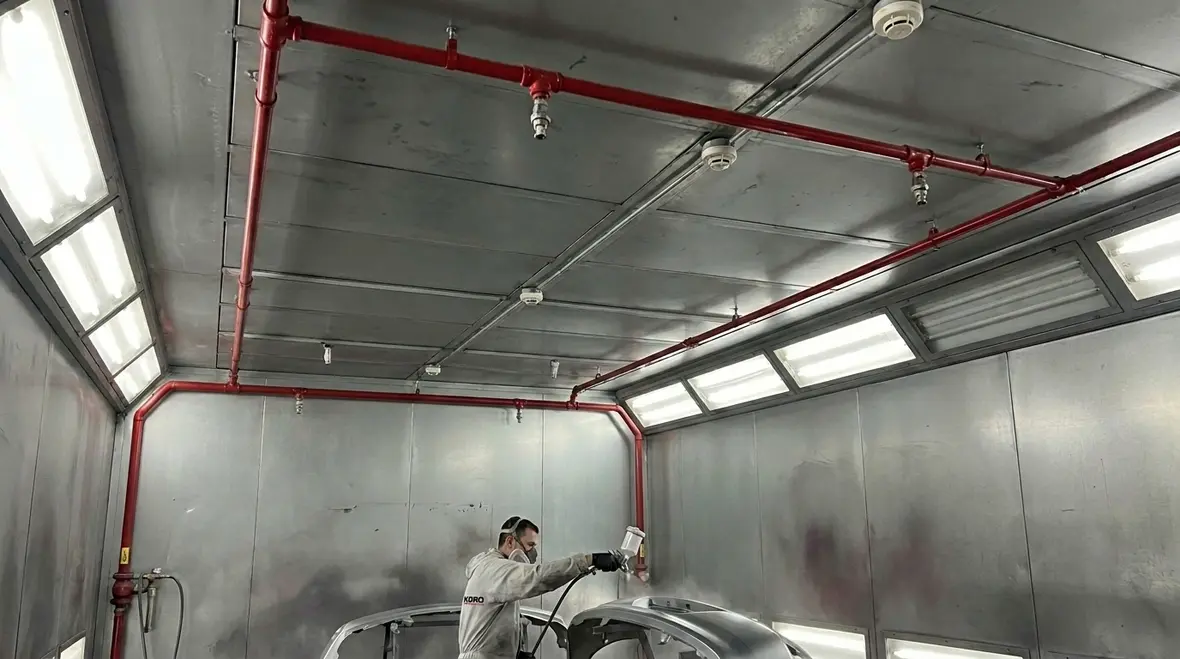
Spray Booth Fire Suppression for Safer Paint Operations
When a shop installs a new spray booth, it focuses on airflow, lighting, and coating quality. Yet the real silent partner in that whole setup is spray booth fire suppression. Because coatings, solvents, and cleanup chemicals can turn a routine day into a fast moving emergency. And while sprinklers may work in a movie, real life demands systems designed for paint mist, vapor, and heat. That is where the right design, clean installation, and smart maintenance matter. In other words, a booth can look like a showroom model, but if fire protection is treated like a late add on, trouble shows up early. Fortunately, Kord Fire Protection can become a vital partner, helping keep compliance on track and risk under control.
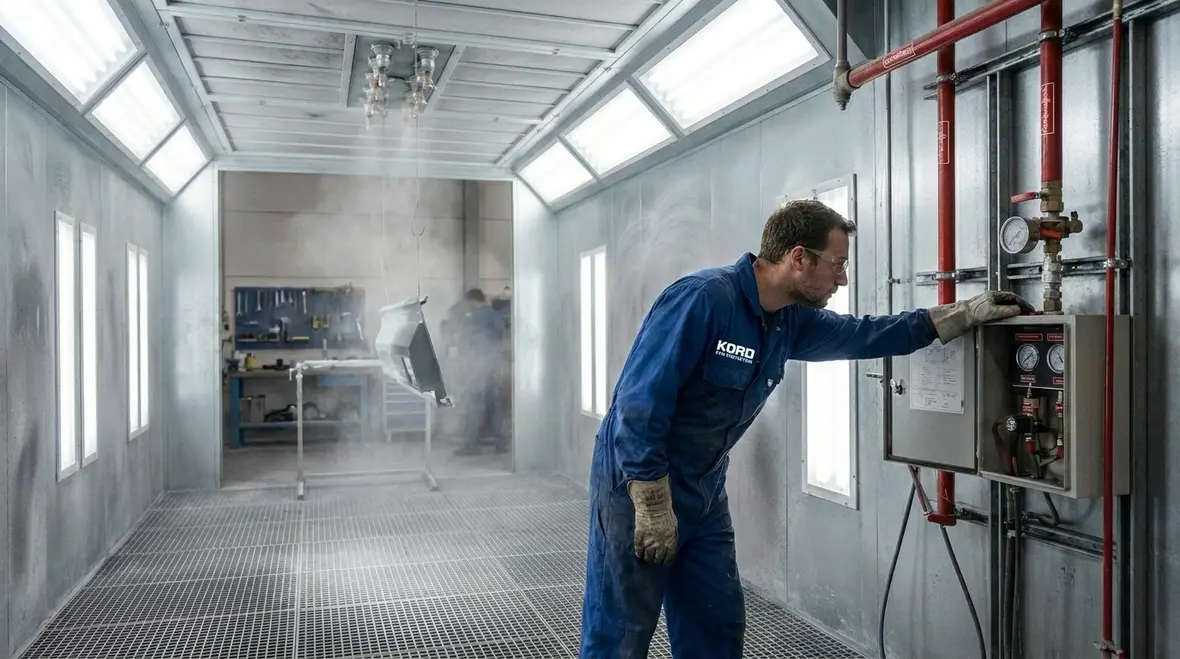
What spray booth fire suppression systems typically protect
In most facilities, fire risk does not come from random sources. Instead, it grows out of normal booth operations. Therefore, systems need to handle the realities of spraying: flammable vapors, paint mist, and heated surfaces. To be clear, a spray booth is not just a box for product. It is also a place where ignition sources can exist, even when nobody “asked” for them.
Common areas of concern include the booth interior, the exhaust path, and parts of the ventilation system where vapors can accumulate. Additionally, electrical components, heaters, and duct surfaces can create hot spots. If a system responds too late or too broadly, it can damage equipment and increase downtime. So, a good fire protection plan targets the right hazards and triggers at the right time.
Hazards do not stay politely in one place
That is one reason spray booth protection has to be deliberate. Airflow moves vapor, overspray settles where nobody wants it, and connected ductwork can become part of the problem if the system is not designed around the full hazard path. Kord Fire Protection’s broader fire suppression services reflect this same idea: a system works best when it is built around the actual environment rather than a generic checklist.
Key components behind a reliable system
Fire suppression is not a single device. It is a coordinated plan. Typically, a system uses detection, control, agent delivery, and safeguards. First, sensors and detection devices watch for conditions that signal ignition risk. Then, controls manage release timing and system sequencing. After that, the agent delivery portion releases suppressant where it can do the most good.
Depending on design, the suppression approach may include fixed piping, dedicated nozzles, or integrated discharge modules. Meanwhile, exhaust and duct treatment often plays a role, because vapor does not stay politely inside the booth. It travels. As a result, a proper design considers where the airflow carries the fuel and where suppression needs to interrupt the process.
Core detection and control
- Heat or flame detection suited to booth conditions
- Control logic that avoids slow, confused responses
- Interlocks that support shutdown and hazard isolation
Agent delivery and reach
- Nozzles and piping placed for real hazard coverage
- Duct and exhaust consideration, because vapor travels
- Distribution that supports fast interruption of ignition
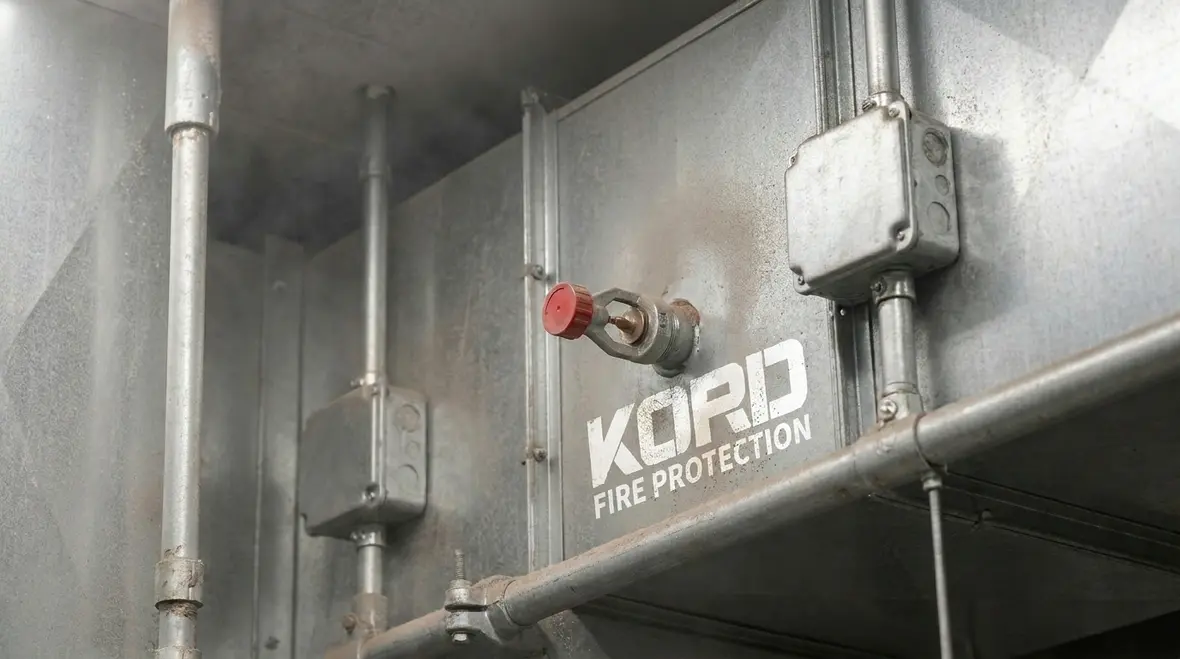
How these systems work during ignition events
When ignition starts, time becomes the villain. Early detection matters because a small flare can escalate quickly in the presence of solvent vapors and mist. Consequently, fire suppression systems aim to detect abnormal heat or flame indicators and then release agent fast enough to stop the chain reaction.
In practice, this means the detection stage must match the booth’s normal conditions. For example, a system that triggers too easily can lead to nuisance discharge, which nobody enjoys. And yes, it is like a smoke alarm that goes off when someone burns toast. Fun for no one. On the other hand, if detection sensitivity is too low, the system may respond after damage occurs.
Therefore, the system must integrate with booth operations, ventilation design, and the hazard profile of the products being sprayed. That same engineered thinking shows up in Kord Fire Protection’s discussion of portable vs fixed fire suppression options, where the point is simple: automatic systems should fit the environment, not force the environment to tolerate a bad fit.
Why matching normal booth conditions matters
A booth can run hot, loud, and busy even when nothing is wrong. That is why detection settings, discharge timing, and shutdown logic should respect the way the booth actually operates. Reliable suppression is not about being dramatic. It is about reacting at the right moment, in the right place, without creating extra chaos.
Design and installation factors that make or break performance
Even the best equipment underperforms if installed without care. That is why design and installation details deserve real attention. First, technicians should verify airflow patterns, duct layout, and where vapors concentrate. Next, they must confirm the agent coverage zones and ensure discharge paths do not interfere with spray flow, filters, or maintenance access.
Also, the system must fit the booth’s construction. If penetrations, mounting points, or supports are sloppy, the system’s response can become unpredictable. Additionally, electrical interlocks often matter, especially for fans, dampers, and shutdown sequences. When the system triggers, it should not only suppress. It should also reduce oxygen and limit fuel exposure.
Commissioning checks worth taking seriously
- Coverage of hazard zones inside the booth and connected duct sections
- Detection settings based on the booth’s expected operating conditions
- Sequence control for fans, dampers, and shutdown actions
- Agent delivery verification to confirm pressure and distribution
- Documentation for maintenance schedules, test records, and updates
Why maintenance and inspections keep the system dependable
A fire suppression system is not “set it and forget it.” It needs planned upkeep. Over time, dust, overspray, and normal wear can affect detection performance and agent delivery reliability. For example, blocked lines, corroded fittings, or sensor drift can slow response or reduce effectiveness.
Moreover, paint booth operations change. Companies switch coatings, update solvents, or modify airflow equipment. Even if the booth looks identical, the hazard profile can shift. As a result, periodic inspections and system health checks protect against outdated assumptions.
That is where coordinated support matters. Kord Fire Protection can become a vital partner by aligning inspections, tests, and service schedules with booth operations. Instead of treating fire protection as a checkbox, they help facilities manage it like a living program. And honestly, that is the difference between a system that protects and a system that just exists. Kord’s recent dry chemical fire suppression system guide makes a similar point for high risk industrial environments, including paint booth applications where fast action and routine service both matter.
Meeting compliance goals without slowing production
Many facilities fear fire protection work because it sounds like downtime, paperwork, and delays. However, a smart plan can reduce both operational disruption and late surprises. First, facilities should establish a baseline: current system design, existing documentation, inspection history, and any gaps. Then, they can schedule maintenance and testing during planned production windows.
Furthermore, compliance is easier when service teams understand the booth’s real workflow. A spray booth runs on rhythm. Paint prep, spray cycles, cure periods, and cleanup happen in predictable patterns. If a fire suppression contractor coordinates with that rhythm, the facility can meet inspection needs while keeping the line moving. After all, nobody wants to pause production like it is loading screen time in a video game.
A practical way to reduce disruption
The best service windows are usually the ones planned before anyone feels rushed. Clear documentation, realistic scheduling, and communication between operations and service teams help turn fire protection from an interruption into a routine part of the workflow. That means fewer surprises, better audit readiness, and less scrambling when someone suddenly asks for records.
How Kord Fire Protection supports spray booth fire suppression
Kord Fire Protection brings more than parts and service calls. It supports the entire lifecycle of fire protection for spray booth environments. That includes helping facilities plan inspections, review system performance, and stay organized when changes happen. Additionally, they support teams that need clarity, because unclear documentation is a trap that springs at the worst time.
| Service focus | What it helps the facility do |
|---|---|
| System inspection and testing | Verify detection, agent delivery, and control sequencing stay reliable |
| Maintenance planning | Schedule work to avoid surprises and reduce production downtime |
| Change management | Adjust risk thinking when products, solvents, or booth setup evolve |
| Documentation support | Keep records ready for audits, internal reviews, and safety checks |
FAQ about spray booth fire suppression
Protect the booth before the emergency shows up
If a spray booth handles flammable materials, fire protection must do the same. A well planned spray booth fire suppression program reduces risk, supports compliance, and helps protect equipment and people. Now is the time to review system coverage, detection setup, and maintenance schedules.
Kord Fire Protection’s fire suppression team can help the facility build a dependable plan that fits real operations, not just a diagram. Contact Kord Fire Protection today to assess needs and set up service that keeps the booth protected, calm, and ready.

Join Our Newsletter!
Get the latest fire safety tips delivered straight to your inbox From our Newsletter.



