
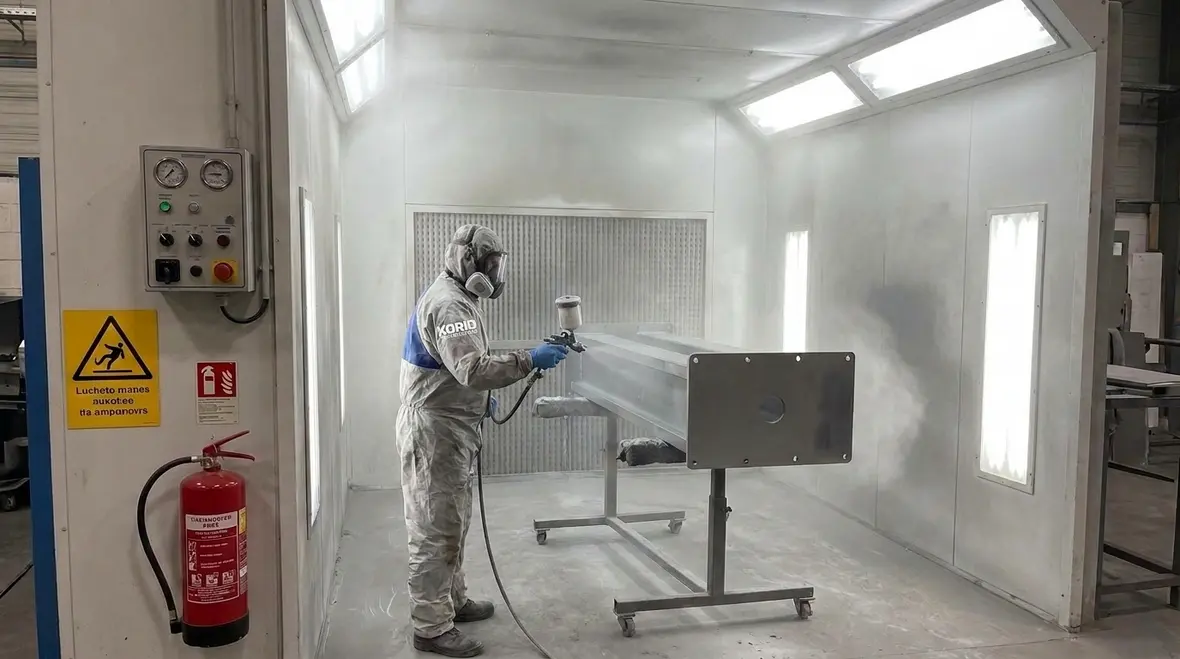
NFPA 33 Section 1.1 Scope: What Spray Operations the Standard Covers
Quick Answer
NFPA 33 Section 1.1 defines where the standard applies to spraying operations that produce combustible residues, flammable coatings, or similar materials. It focuses on process, equipment, and facilities involved in spray application of flammable and combustible materials, including surface preparation and related operations.
For a broader compliance-focused service pathway, facilities can also review fire protection services in Southern California to connect spray area risk management with inspections, repairs, and ongoing maintenance planning.
Intro: Why NFPA 33 scope spray application flammable combustible materials matters
Commercial and industrial sites use spray application processes for coatings, adhesives, protective finishes, insulation, and line marking. NFPA 33 scope spray application flammable combustible materials establishes the safety framework for those operations when they present flammable vapor and ignition hazards. For facility owners, safety managers, and maintenance teams, the practical value is clear: correct scoping prevents underbuilt controls, incomplete inspections, and avoidable compliance gaps during audits.
Within the first planning phase, the biggest challenge usually is not ignorance of the standard, but scoping accuracy. Many facilities assume “spray equals paint,” while the real risk profile can come from solvents, thinners, atomizing energy, transfer equipment, and the combustible residue created after deposition and drying.
What NFPA 33 Section 1.1 covers: the operational lens
NFPA 33 Section 1.1 focuses on spray operations and the equipment and processes associated with applying materials that can generate flammable atmospheres or combustible deposits. In practice, the “scope” is determined by what the operation does, not merely what the final product is used for.
Spraying processes that typically fall under scope
- Spraying of coatings and surface finishes that can release flammable vapors during atomization and evaporation.
- Application of adhesives, sealants, and bonding agents that can create ignitable conditions while curing or flashing off.
- Spraying of materials that leave combustible residues on surfaces, ducting, filters, or collection systems.
- Operations involving spray booths, spray rooms, and spray areas where atomized material and overspray collect and deposit.
Key scoping indicators facility teams should verify
- Material chemistry and handling: solvent type, flash point considerations, and how the material behaves during spraying.
- Volatility and drying: vapor generation rates and typical cure or flash times.
- Deposition and overspray: whether the process produces combustible buildup in housings, ductwork, or filtration systems.
- Air movement and ventilation design: airflow patterns that transport vapors and residue to collectors and exhaust systems.
What is often misunderstood during scoping
Many compliance issues arise because teams define scope too narrowly. They may treat only the spray booth interior as the hazard zone, but NFPA 33 scope considerations often extend to collection, exhaust, and residue handling pathways.
Common failure points
- Overlooking exhaust system fire and vapor pathways: ignition can start in filters, plenums, duct turns, or downstream collection components where deposits accumulate.
- Assuming one hazard control strategy covers all phases: ventilation and grounding may address one risk but not ignition sources from hot surfaces, mechanical damage, or static discharge during start up and shutdown.
- Ignoring startup and maintenance mode: many incidents occur when systems are being serviced, filters are removed, or equipment is restarted after downtime.
- Using “similar products” without re scoping: even if a supplier calls two coatings similar, changes in solvent package, solids content, or spray pattern can alter hazard classifications and deposit behavior.
Operational detail that auditors look for
During inspections and documentation review, auditors typically want evidence that hazard control elements match the actual spray operation. That includes equipment selection, inspection records, maintenance practices, and procedures that protect personnel and property throughout normal operation, adjustments, and planned servicing.
Equipment and systems implied by the scope
Once NFPA 33 scope spray application flammable combustible materials is established, compliance depends on the specific equipment set. The standard expects coordinated controls that manage both vapor hazards and combustible residue.
Spray application and air movement controls
- Properly designed spray areas and ventilation to control the concentration of flammable vapors.
- Atomizing equipment controls and work practices that prevent ignition exposure during spray release.
- Interlocks, monitoring, and procedures that support safe operation during start up and shutdown.
Overspray capture and combustible residue management
- Filtration and collection systems sized and maintained for the material being sprayed.
- Procedures for residue cleanup that address combustible buildup on hidden surfaces and in ductwork.
- Maintenance cycles aligned with actual production hours and material loading.
Electrical and grounding considerations
Spray operations can involve static generating processes. Controls typically include bonding and grounding for equipment, safe handling procedures, and maintenance that preserves conductive paths and prevents deterioration over time.
Commercial compliance challenges in real facilities
Commercial, industrial, and retail facilities often operate under tight production schedules and shared spaces. That creates practical hurdles for NFPA 33 scope compliance, especially where equipment is upgraded, rooms are repurposed, or multiple product lines run in the same spraying area.
Typical scenarios that raise risk and documentation needs
- Shared spray zones where different teams run different materials without a formal re scoping step.
- Change in vendor formulations that alters solvent content, spray pattern, or solids deposition characteristics.
- Contract maintenance access where lockout, filter servicing, and restart procedures vary by contractor.
- Deferred cleaning of ductwork and collection components due to production constraints.
Kord Fire Protection supports these environments with compliance focused inspection, testing, and maintenance planning that aligns safety tasks with production realities. That includes helping facilities establish defensible records for equipment condition, cleaning and inspection frequency, and readiness for operational changes.
For related fire protection considerations tied to spraying and industrial operations, review guidance and documentation resources on Kord Fire Protection using the appropriate service pathway for your facility’s protection strategy and ongoing maintenance requirements.
How to use NFPA 33 Section 1.1 during hazard review and audits
Facility teams can reduce uncertainty by turning Section 1.1 into a repeatable scoping workflow. The goal is to translate “the standard covers these spray operations” into a documented list of equipment, materials, and operating conditions your site actually uses.
A practical scoping workflow
- List all spray processes including product families, diluents, and cleaning solvents used in the area.
- Define the operating boundaries for spray application, overspray capture, and exhaust routing.
- Identify combustible residue pathways including filters, duct runs, plenum areas, and collection equipment.
- Confirm installed controls match the spray operation characteristics and inspection requirements.
- Assign inspection and maintenance responsibilities with documented frequencies and verification steps.
- Re validate after changes when materials, equipment, airflow, or operating patterns change.
What good documentation looks like
Auditable records typically include inspection results, corrective action documentation, maintenance logs, filter and residue handling documentation, and proof that safety equipment and controls remain in serviceable condition.
Frequently Asked Questions
Conclusion and call to action
NFPA 33 Section 1.1 scoping sets the boundary for where spray operations involving flammable and combustible materials require specific safety controls. To avoid gaps, validate your spray materials, ventilation and exhaust routing, residue pathways, and maintenance practices against the actual operation. Kord Fire Protection helps commercial facilities maintain defensible compliance through inspection, testing, and ongoing upkeep. Contact Kord Fire Protection to schedule a scoping review and maintenance plan aligned with your spray process.

Join Our Newsletter!
Get the latest fire safety tips delivered straight to your inbox From our Newsletter.



