
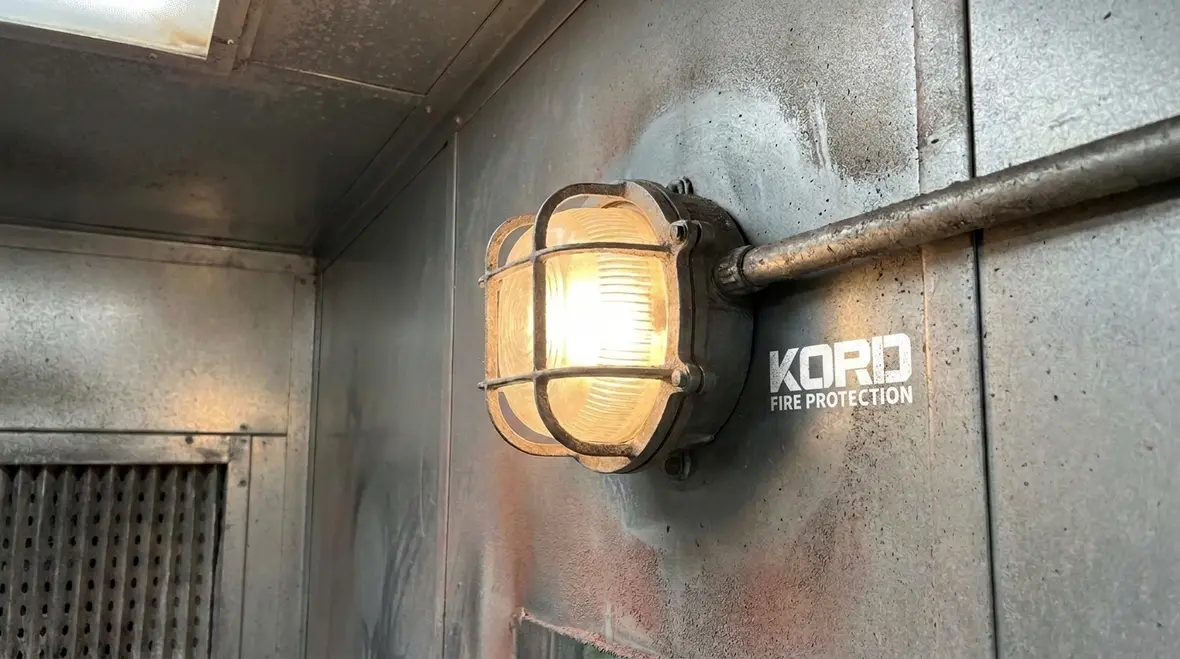
NFPA 33 Section 6.4: Electrical Devices Permitted in Spray Areas
Quick Answer: NFPA 33 Section 6.4 limits what electrical devices can be installed in spray areas because ignition sources can trigger fires and explosions. Compliance hinges on device approval, proper location, wiring and grounding practices, and ongoing inspection and maintenance.
For a related look at protecting paint operations as a whole, see spray booth fire suppression for safer paint operations.
Why Section 6.4 exists (and why inspectors focus here)
NFPA 33 addresses fire and explosion hazards unique to spraying operations. In spray areas, flammable vapors and combustible residues can accumulate, and electrical components become a primary ignition source if they produce sparks, arcs, excessive surface temperatures, or impact ignition. Section 6.4 is where the code draws a hard line between general electrical use and electrical equipment that can be installed without creating an unacceptable risk.
Commercial facilities often underestimate how operational conditions affect electrical safety. Spraying changes airflow patterns, vapor concentration, and residue accumulation during normal production. Even a device that performs acceptably during testing can become hazardous if seals fail, covers are damaged, wiring degrades, or maintenance is delayed. That is why NFPA 33 electrical devices spray area requirements do not end at installation. They extend into inspection, replacement criteria, and verification of continued suitability.
What “spray areas” mean for electrical equipment placement
Before applying Section 6.4, facilities must correctly define spray area boundaries and classify the operational zones where vapors and residue are present. NFPA 33 treats spray operations as dynamic. The scope of “spray area” includes locations where ignitable concentrations can reasonably be expected during normal spraying, related setup, and cleanup activities.
Practical compliance challenge: Many buildings use a fixed wall layout, but the real hazard varies with ventilation performance, transfer methods, and work patterns. For example, an employee opening a coating drum or moving parts can shift vapor generation. Kord Fire Protection typically evaluates these operational realities during plan review and site audits to ensure equipment placement matches the actual hazard areas, not just the architectural floor plan.
NFPA 33 Section 6.4: What devices are permitted and under what conditions
Section 6.4 permits certain electrical devices in spray areas only when they meet the intent of the code: they must not provide ignition sources under expected conditions. The controlling factors usually include the device’s construction, suitability for the hazardous environment, and proper installation practices. In practice, permitted electrical devices are typically those that are designed and approved for use where flammable vapors can be present, with protection methods that prevent ignition from electrical faults, heat, or mechanical action.
Key compliance mechanisms facilities must verify
- Ignition source control: Equipment must resist sparking and arcing, limit surface temperatures, and prevent ignition from internal electrical events.
- Enclosure integrity: Covers, gaskets, seals, and sealing fittings must remain intact to prevent vapor ingress and ignition release.
- Temperature limitations: Devices must not exceed temperature thresholds under worst-case operating conditions, including dust or residue accumulation.
- Wiring and termination quality: Improper terminations, damaged insulation, or missing covers can create fault conditions that violate the safety basis.
- Grounding and bonding: Correct grounding reduces fault energy and supports safe operation of protective systems. For a closely related electrical topic, see NEC hazardous location bonding.
Common failure point during inspections: facilities often install approved devices initially but later modify the area. Examples include adding cable runs, relocating junction boxes, replacing fixtures with general service lighting, or removing “temporary” covers during production. Inspectors treat these changes as new compliance decisions. If the device or installation no longer matches Section 6.4 requirements, the area becomes noncompliant regardless of how the original equipment was approved.
Inspection and maintenance: where compliance is won or lost
NFPA 33 electrical device compliance depends on sustained performance. Operational vibration, residue build up, cleaning chemicals, and routine maintenance activities can degrade protective features. A strong maintenance program directly reduces the chance of unsafe ignition sources developing over time.
What to inspect on a regular schedule
- Physical condition: Check for cracked housings, missing gaskets, damaged conduit seals, and loose covers.
- Residue and contamination: Verify that dust or coating residue does not accumulate around devices in a way that increases surface temperature or interferes with ventilation and cooling paths.
- Wiring integrity: Inspect for insulation damage, exposed conductors, overheated terminations, and signs of moisture intrusion.
- Labeling and markings: Confirm the device remains identifiable as suitable for the hazardous environment and that markings are legible.
- Operational verification: Ensure protective features still function as designed after service events.
Kord Fire Protection supports facilities with practical compliance services that align electrical safety with real production conditions. That includes documentation review, targeted field verification, and maintenance guidance that helps prevent recurring failures after equipment servicing. For related expertise on protecting operations and coordinating compliance activities, consider reviewing this internal resource: Kord Fire Protection commercial fire protection services.
Common noncompliance scenarios in spray areas
Even well run facilities encounter issues in spray areas because the work is hands on, fast paced, and frequently changed. The following scenarios repeatedly show up during compliance reviews.
- General-use lighting and outlets: Replacing industrial fixtures with building standard luminaires or adding convenience outlets that are not permitted for spray locations.
- Unsealed penetrations: Conduit and cable penetrations that lack proper seals or have compromised sealing devices.
- Improper replacement parts: Using non equivalent components during maintenance, including covers, switches, fans, and control devices.
- Damaged enclosures after cleaning: High pressure cleaning or aggressive chemical exposure can damage gaskets and protective coatings.
- Uncontrolled modifications: Engineering change orders that move equipment, alter ventilation, or add devices without a hazard review.
Mitigation strategy: require a documented review before any electrical changes in spray areas. Include device model verification, installation method confirmation, and an update to the facility’s spray area equipment list so maintenance teams and contractors do not reintroduce unacceptable devices.
How to manage compliance across commercial, industrial, and retail operations
Different occupancies apply the same core safety intent, but operational patterns vary. Manufacturing plants often deal with high throughput and multiple spraying zones. Industrial maintenance shops may have frequent workflow changes. Retail and light commercial operations can still create hazardous spray conditions during finishing services.
Facilities should standardize the following:
- Device inventory: Maintain an up to date list of every electrical device located in spray areas with its approved suitability basis.
- Change control: Enforce a review workflow for repairs, relocations, and contractor work in spray areas.
- Training and field awareness: Train maintenance staff to recognize that replacing a component with “the same size” does not mean it is “the same safety construction.”
- Verification documentation: Keep inspection records that show what was checked, when, and what was corrected.
When facilities treat NFPA 33 electrical device safety as an ongoing operational system rather than a one time installation, they reduce risk and shorten the path to successful inspections.
Frequently Asked Questions
Get your spray area electrical safety program aligned
If your facility sprays coatings, adhesives, or finishes, NFPA 33 electrical device compliance requires more than paperwork. Kord Fire Protection can help verify installed equipment, identify high risk gaps, and support an inspection and maintenance process that withstands real production conditions. Contact Kord Fire Protection to schedule a compliance focused assessment and develop practical corrective actions for your spray area electrical systems.

Join Our Newsletter!
Get the latest fire safety tips delivered straight to your inbox From our Newsletter.



