
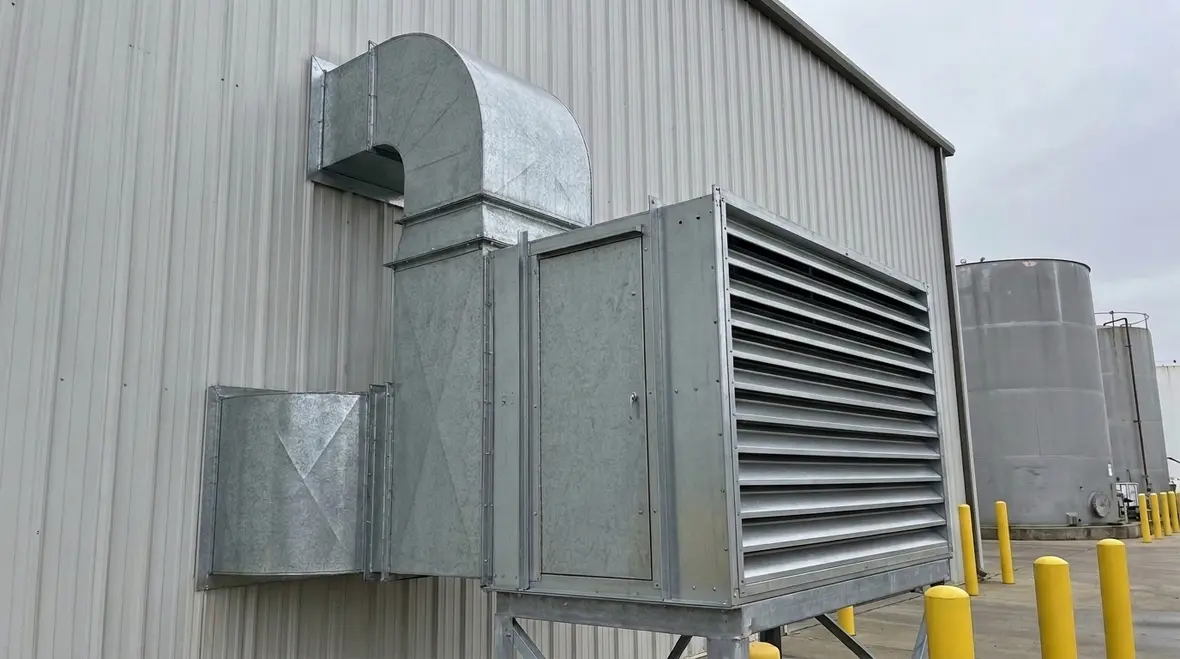
NFPA 30 Section 24.10: Ventilation for Storage Tank Buildings
Quick Answer
NFPA 30 Section 24.10 tank building ventilation sets ventilation expectations for buildings housing flammable liquid storage tanks. The intent is to control vapor accumulation, support safe concentrations, and protect occupants and property. Compliance relies on correct design, reliable operation, and documented maintenance.
Why NFPA 30 tank building ventilation matters in day to day operations
In commercial, industrial, and retail environments where flammable liquids are stored, ventilation becomes an engineered control system rather than a convenience feature. NFPA 30 Section 24.10 tank building ventilation focuses on preventing hazardous vapor concentrations in and around storage tank buildings, including during normal operations, routine maintenance, and upset conditions. For facility teams, the practical challenge is ensuring the ventilation system performs as designed and remains verified over time.
Facilities often assume that because a ventilation unit is installed, compliance is automatic. NFPA 30 expectations are different. Inspectors typically look for evidence that the building ventilation method matches the hazards, operates properly, and is maintained. These requirements align with the broader compliance approach described here: how NFPA 30 regulates flammable liquids. If you want a closely related companion read focused on airflow controls in liquid storage areas, see NFPA 30 Section 9.14: Ventilation Requirements for Liquid Storage.
What Section 24.10 is trying to achieve (and how that translates to controls)
NFPA 30 Section 24.10 tank building ventilation is driven by a single outcome: prevent flammable vapor buildup. In real facilities, vapor release sources include filling and transfer operations, minor leakage, maintenance activities, and pressure or temperature changes that cause vapor generation.
Ventilation arrangements in storage tank buildings should therefore provide:
Predictable air movement to remove vapors before they accumulate.
Controlled exhaust paths that reduce the likelihood of vapors migrating to ignition sources.
System reliability through inspection, testing, and maintenance of fans, ducts, louvers, and controls.
Operationally, the control strategy must match how the tank building breathes and how vapor migrates. A ventilation system that moves air in one area while vapors preferentially collect elsewhere may not deliver the intended risk reduction.
How ventilation systems are typically configured in tank buildings
While project design varies, ventilation systems in storage tank buildings often use a combination of supply and exhaust components, with engineered air paths designed to prevent vapor stagnation. Facility teams commonly encounter these elements during inspections:
Exhaust and air distribution
Exhaust fans sized to move the required quantity of air under operating conditions.
Ducting and duct supports that maintain airflow and prevent collapse or blockage.
Inlet openings or vents that ensure makeup air can reach exhaust zones.
Enclosures, openings, and vapor migration control
Access doors, penetrations, and service openings that remain in a correct position during operations.
Louvers and dampers that do not bind, seize, or remain closed when required.
Sealing of penetrations to prevent uncontrolled leakage bypassing the ventilation path.
A common compliance failure point is incomplete system integration. For example, a facility upgrades a tank or changes transfer procedures but does not confirm the ventilation still matches the updated vapor profile. Another frequent issue is blocked louvers from debris, stored materials, or construction waste after maintenance closures.
Inspection, testing, and maintenance: what compliance looks like on the floor
NFPA 30 Section 24.10 tank building ventilation requires practical assurance that ventilation continues to function as intended. Inspectors and internal safety programs usually expect documented verification of key performance and condition indicators.
What to inspect during routine rounds
Fan operation including correct rotation direction, proper startup response, and stable operation.
Air inlet and exhaust clearances free of obstructions and maintained at the correct configuration.
Condition of ducts and supports with attention to corrosion, loose fasteners, vibration damage, and audible airflow restrictions.
Controls and interlocks that actuate ventilation as required for normal and non normal operating modes.
What to test for functional reliability
Functional testing typically focuses on whether the system achieves its intended behavior rather than whether it merely runs. Examples include verifying that dampers move to the correct position, that ventilation activates on the appropriate signals, and that emergency or abnormal mode operation behaves correctly. Where measuring devices exist, verification should demonstrate that readings align with acceptance criteria.
Maintenance that prevents repeat failures
Preventive maintenance should address equipment mechanisms most likely to degrade ventilation performance:
Fan belts, bearings, and vibration issues that reduce airflow or lead to intermittent operation.
Motor cooling and electrical terminations that can fail silently until performance drops.
Damper linkages and seals that can stick in a closed or partially open position.
Corrosion management for duct interiors and external housings in humid or corrosive environments.
Kord Fire Protection supports commercial facilities with compliance focused inspection planning, testing coordination, and maintenance documentation that helps teams close the loop between design intent and real field performance. This reduces the risk that ventilation systems drift out of specification during routine operations.
Common compliance challenges in storage tank buildings
Even well designed facilities experience ventilation non compliance when operational changes outpace maintenance updates. The following challenges frequently show up in audits and incident investigations:
Control logic not aligned with current operating procedures
Changes to transfer schedules, temporary shutdowns, or maintenance bypasses can alter when ventilation should run. If the control logic and operating procedures do not stay aligned, ventilation may not activate during periods of greatest vapor generation.
Blocked or altered airflow paths
Temporary storage, ceiling modifications, or duct repairs can obstruct intended air paths. Even partial blockage can reduce exhaust effectiveness, especially in areas where vapors settle due to temperature stratification.
Inadequate post maintenance verification
After work orders, isolation of components, or duct repairs, facilities often restart equipment without verifying functional performance. Correct verification should confirm that dampers, fans, and duct connections operate as a system and not as disconnected components.
Documentation gaps
Inspections typically require evidence. Missing logs, incomplete checklists, or unresolved corrective actions can create compliance uncertainty even when equipment appears operational.
How to build an auditable compliance program around Section 24.10
To maintain NFPA 30 Section 24.10 tank building ventilation compliance, facilities should implement an auditable program that ties procedures to measurable outcomes. A strong program usually includes:
Defined ventilation operating modes for normal operation, start up, shutdown, and maintenance activities.
Written inspection routes that cover vents, louvers, duct condition, and control behavior.
Testing procedures that confirm intended operation, actuation, and correct configuration after any intervention.
Corrective action tracking that includes root cause analysis for repeat failures.
Coordination for ongoing flammable liquid compliance, including alignment with how NFPA 30 regulates flammable liquids across the facility.
Where practical, Kord Fire Protection acts as a technical partner for commercial sites that need dependable testing, inspection documentation, and maintenance support that withstands regulatory scrutiny.
Frequently Asked Questions
Next step: verify your tank building ventilation program
Facilities can reduce compliance risk by validating that tank building ventilation meets NFPA 30 Section 24.10 intent and remains reliable after every change. Kord Fire Protection can help you review inspection and testing coverage, identify typical failure points, and build an auditable maintenance workflow for commercial tank storage environments. Contact Kord Fire Protection to schedule a compliance focused ventilation assessment and documentation review.

Join Our Newsletter!
Get the latest fire safety tips delivered straight to your inbox From our Newsletter.



