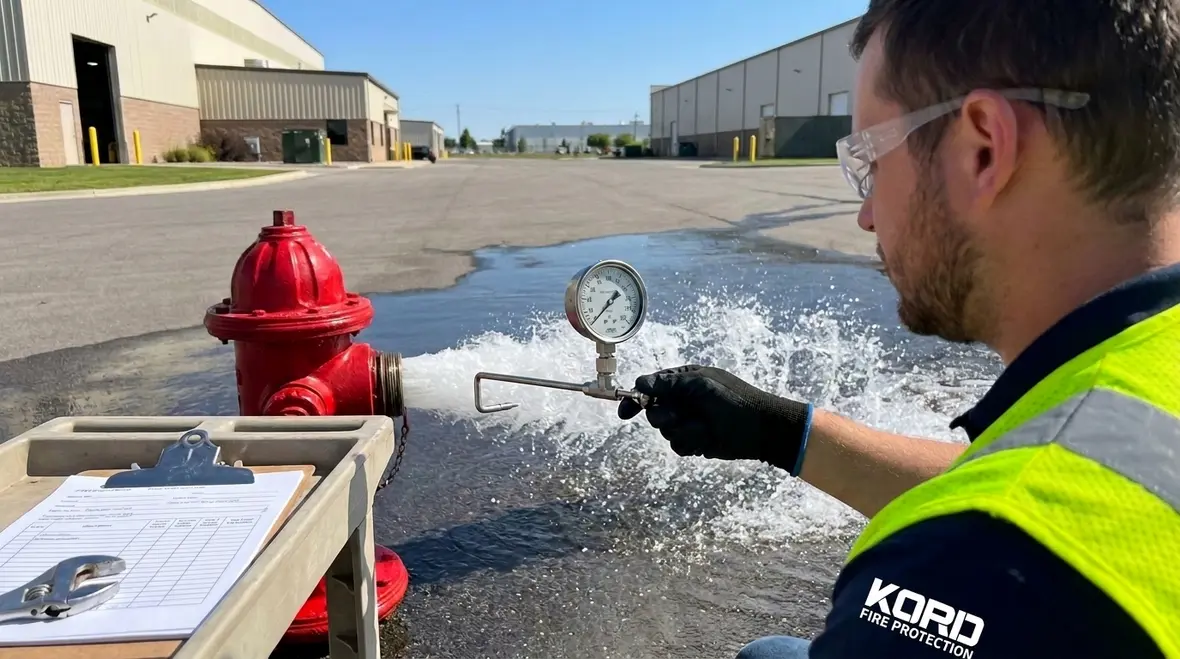
NFPA 291 Section 4.8 Pitot Gauge Readings for Hydrant Testing
Quick Answer: NFPA 291 Section 4.8 explains how pitot gauge readings help measure the pressure and flow of hydrants during testing. For industrial, retail, and commercial sites across Australia, these readings support safe fire flow checks, better water supply planning, and clear compliance records. Kord Fire Protection can help manage the job from testing to reporting.
In fire safety, pitot gauge readings hydrant testing may sound like the sort of task only a specialist would love, and frankly, that is fair. Yet this small reading carries real weight. It helps show how well a hydrant can perform when the heat is on, and not the “summer in the car park” kind. For commercial sites, industrial plants, retail centres, and facilities across Australia, these readings help confirm that water supply will do its job when it matters most.
Near the top of any sensible hydrant program, it also helps to connect this testing work with broader full fire protection services so inspections, reporting, and follow-up actions stay aligned instead of being scattered across five emails, three contractors, and one very tired facilities manager.
What NFPA 291 Section 4.8 means in practice
NFPA 291 Section 4.8 gives clear guidance on using a pitot gauge during hydrant testing. The gauge measures the pressure of water flowing from the hydrant outlet. From that pressure, a tester can estimate flow. This matters because fire systems do not run on guesswork, no matter how confident the bloke with the clipboard might feel.
In simple terms, the reading tells the tester how much water the hydrant can deliver under test conditions. That helps facilities understand whether the hydrant supply can support emergency use, sprinkler demand, or fire brigade response needs.
For large sites, the value of the reading goes beyond compliance. It helps managers see whether the network can handle change, such as new buildings, higher stock loads, or changes in water mains. It also gives engineers and maintenance teams a more grounded picture of what the water supply is actually doing, rather than what everyone hopes it is doing because the paperwork looked tidy last year.
Why Section 4.8 deserves attention
A lot of fire protection requirements can feel buried in codes and clauses, but this one has very practical value. Pitot readings help convert a flowing test into usable information. If the test is done properly, the site gains a baseline. If it is repeated over time, the site gains a trend. And trends are where smart decisions start, especially before an emergency is kind enough to provide a demonstration.
How pitot gauge readings work during hydrant testing
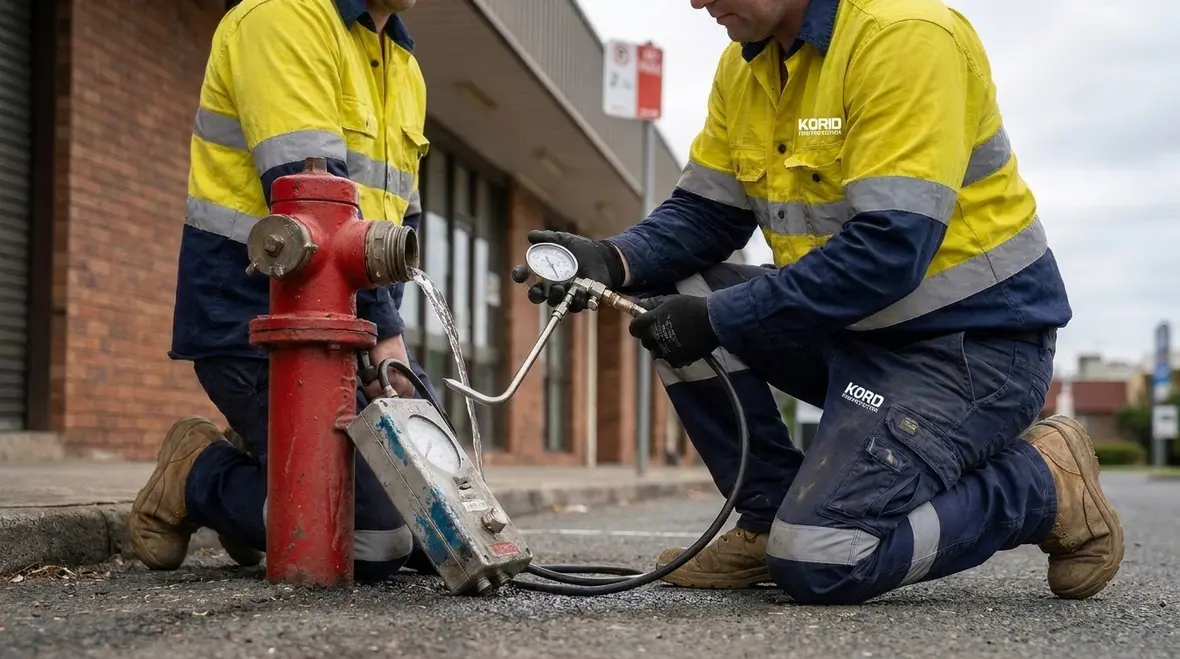
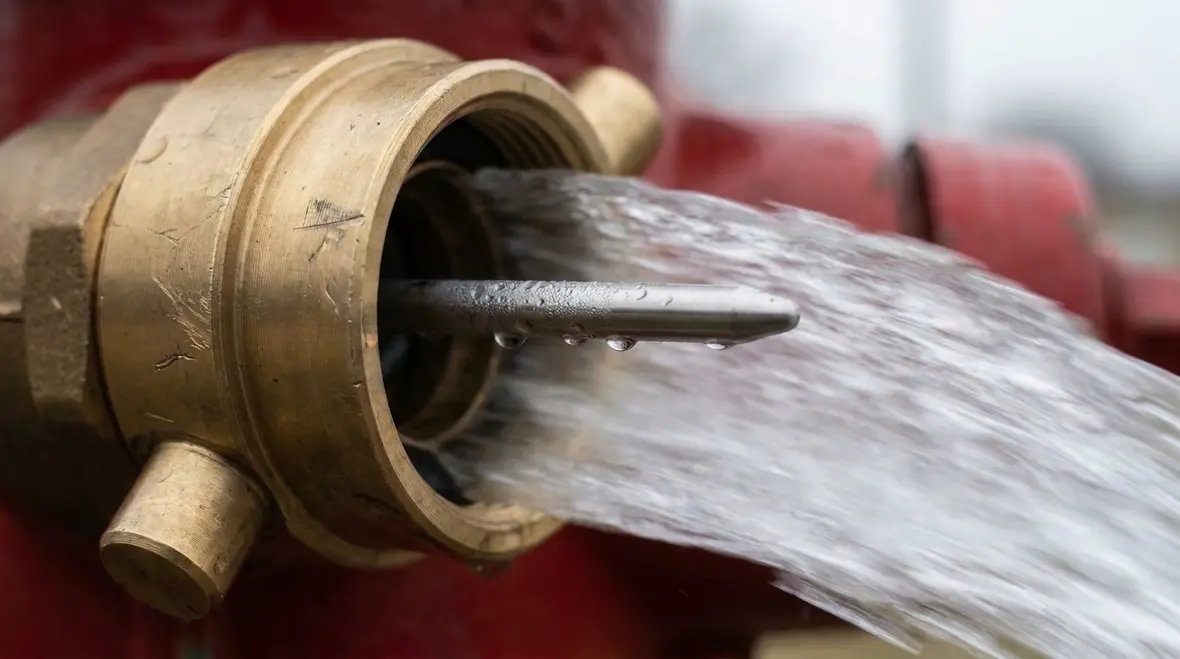
The pitot gauge is placed in the stream of water from the hydrant outlet. As water moves past the opening, the gauge captures the pressure force. That pressure is then used with outlet size and test conditions to estimate flow.
Several factors shape the reading. For example, outlet size, water pressure, hose condition, and the number of hydrants in use can all affect the result. Therefore, a good test team does more than just take one number and call it a day. They look at the full site picture.
Accurate hydrant testing also depends on proper setup. If the gauge is not positioned well, or if the outlet is not flowing as expected, the result may mislead the site team. That is why trained testing matters.
What the test team is really watching
During a proper test, the team is not only interested in a single pressure figure. They are watching how the system behaves while water is moving. They are checking whether the outlet runs cleanly, whether pressure holds up, whether nearby demand may be affecting the result, and whether the recorded conditions match what the site would likely face during real use. In other words, it is part measurement, part interpretation, and absolutely not the right time for “that should be close enough.”
- Gauge placement needs to be steady and correctly aligned with the water stream
- Outlet condition can affect the shape and consistency of flow
- Site demand may influence pressure during the test window
- Recording accuracy matters because small errors can lead to poor decisions later
Why accurate readings matter for commercial and industrial sites
For commercial and industrial operations, a weak hydrant result can create serious risk. A site may look fully covered on paper, but if the actual water flow falls short, the fire response plan can fail in the field. That is where pitot gauge testing earns its keep.
Accurate results help with:
- Risk review for fire safety planning
- Compliance support for internal and external records
- System checks after upgrades or changes to water supply
- Emergency readiness for staff, tenants, and fire crews
In retail centres, for example, a hydrant network must support public safety and operational continuity. In industrial sites, high fuel loads, plant equipment, and large floor areas can raise the stakes fast. So, the reading is not just a number. It is proof that the system can perform under pressure.
It also supports planning conversations that often happen long before an incident. If a site is adding storage, changing layouts, expanding tenancy, or upgrading suppression systems, hydrant flow information becomes part of the bigger fire protection picture. That is one reason related resources like Fire Hydrant Flow Test Guide to Water Pressure can be a useful next read for teams that want the wider context.
Where low readings create bigger problems
A low reading does not always mean total failure, but it should never be brushed off. It can point to supply weakness, restrictions, buried maintenance issues, or changing site conditions. On larger properties, one disappointing result may affect assumptions about hydrant coverage, emergency response timing, or future system demand. That is why accurate records and follow-up actions matter so much. A number without interpretation is just a lonely stat on a page.
What a good hydrant test report should show
A strong report should show more than the final flow estimate. It should give the reader a full view of what happened during the test. That way, the facility team can make smart decisions instead of staring at a page like it just solved quantum physics.
Column one
- Site name and location
- Hydrant tested
- Pitot gauge reading
- Outlet size
- Flow estimate
Column two
- Date and time of test
- Weather or site conditions
- Static and residual pressure, if recorded
- Tester notes and concerns
- Recommended follow up actions
When this information is clear, the site team can compare results over time. As a result, trends become easier to spot. A slow drop in pressure today may point to a bigger issue tomorrow.
Good reporting also helps different stakeholders talk about the same problem without confusion. Facility managers want action items. Compliance teams want records. Engineers want reliable data. Contractors want clarity on the next step. A proper report keeps everyone on the same page, which is a minor miracle in itself.

Common mistakes during pitot gauge testing
Even solid test programs can run into avoidable problems. One common mistake is poor gauge placement. Another is using the wrong outlet setup for the test goal. Also, some teams rush the job and skip proper notes. That may save five minutes, but it can cost a whole lot more later.
Other issues include:
- Dirty or damaged gauge equipment
- Blocked hydrant outlets
- Inconsistent test methods across different visits
- Poor record keeping
Because of that, reliable testing calls for a steady hand, a clear process, and a team that understands the standard. A fire system is not the place for improvisation. This is not jazz night.
How consistency improves long term results
When the same style of method, documentation, and follow-up is used across repeat visits, the data becomes far more useful. Teams can compare results with confidence, spot changes earlier, and avoid debating whether the problem is real or whether someone simply tested differently this year. Consistency may not sound exciting, but neither does preventable failure, and one of those is clearly less fun.
How Kord Fire Protection supports this service
Kord Fire Protection can become a vital partner in hydrant testing because it brings skill, structure, and practical support to the job. For busy industrial, retail, and commercial sites, that matters. Site managers often need a team that can test, document, explain, and help plan the next step without creating more work for everyone else.
Kord Fire Protection can assist with pitot gauge readings hydrant checks, site testing, and clear reporting. In turn, that helps facilities stay on top of compliance and response readiness. Just as importantly, Kord Fire Protection can help spot issues early, before they turn into expensive headaches with sirens.
For multi site operators, that kind of support can simplify ongoing maintenance. Moreover, it can help teams keep the same standard across different properties and asset types. Readers who want more directly related background can also explore NFPA 291 Fire Hydrant Testing and Marking Guide 2026 for broader context around testing and marking expectations.
FAQ for hydrant testing and pitot readings
Keep hydrant performance ready for the real test
Hydrant testing should not feel like a guessing game. With correct pitot readings, clear reporting, and expert support, a site can stay ready for real emergencies. Kord Fire Protection can help commercial and industrial facilities across Australia manage this work with confidence.
For a smarter hydrant testing program, a practical partner makes all the difference. When the numbers are taken properly, explained clearly, and tracked over time, the hydrant system stops being an assumption and starts being a verified part of the site’s fire readiness.

Join Our Newsletter!
Get the latest fire safety tips delivered straight to your inbox From our Newsletter.