NFPA 291 Section 4.9: How to Calculate Hydrant Discharge Rate Accurately
Quick Answer: NFPA 291 Section 4.9 explains how to measure fire hydrant flow by comparing static pressure, residual pressure, and pitot readings. The result gives an accurate hydrant discharge rate, which helps industrial, commercial, and facility teams verify water supply. Done right, it supports fire planning, compliance, and safer response times.
In the world of fire safety, water supply is not a side note. It is the opening act. A proper hydrant discharge calculation helps teams know exactly how much water a hydrant can deliver under real conditions, not just in theory. That matters in warehouses, retail centres, plants, and large facilities. And yes, it matters before anyone is forced to learn the hard way. NFPA 291 Section 4.9 gives the method, while experienced partners like Kord Fire Protection can make the job faster, cleaner, and far less guessy. If your team needs broader system support beyond flow testing, Kord also offers full fire protection services that fit naturally alongside hydrant performance verification.
What NFPA 291 Section 4.9 is really asking for
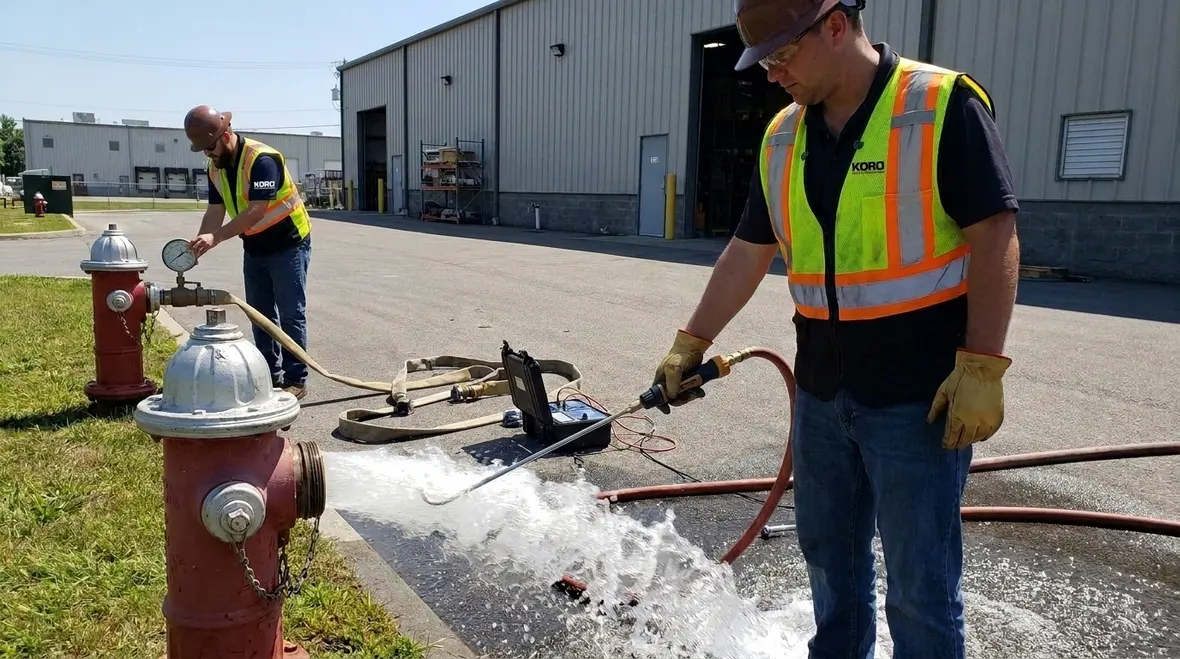
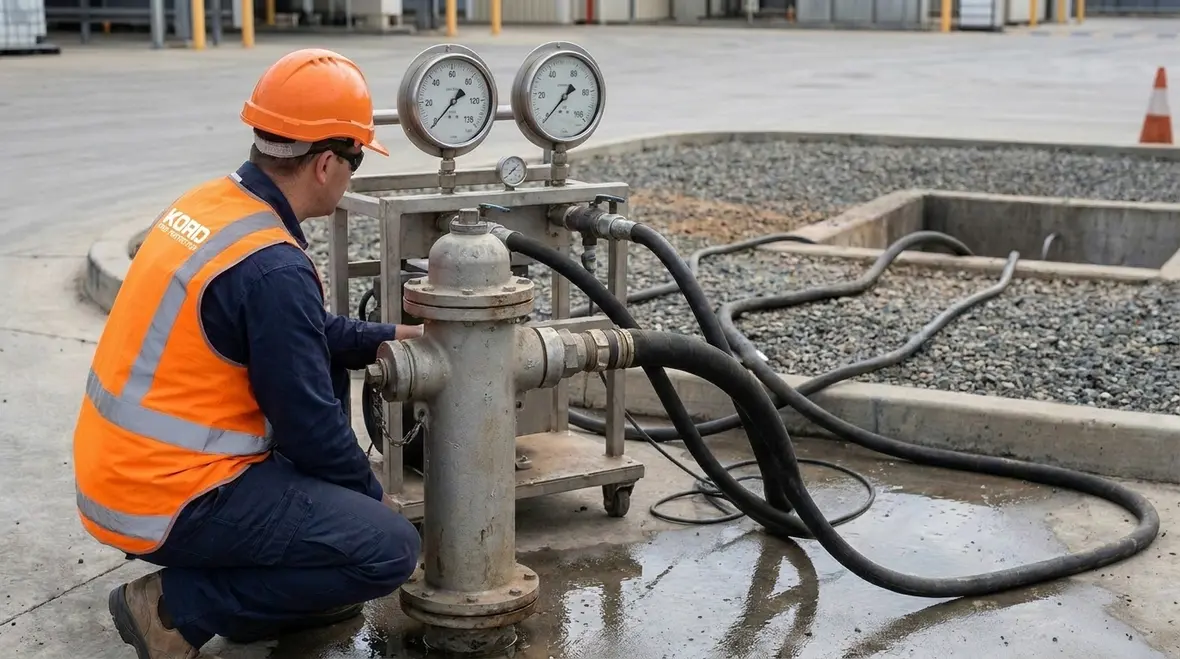
NFPA 291 Section 4.9 focuses on hydrant flow testing and the method used to estimate discharge. In simple terms, it measures how much water a hydrant can provide while the system is under demand. The goal is not to admire the hydrant. The goal is to verify performance.
For industrial and commercial sites, this test helps confirm whether the water supply can support sprinklers, fire brigade needs, and site specific fire plans. It also gives engineers, facility managers, and fire protection teams useful data for upgrades, design checks, and compliance reviews. For readers who want added context after this section, Kord has a related resource on fire hydrant flow testing and water pressure that pairs well with the NFPA 291 method.
The purpose behind the numbers
A hydrant can look perfectly fine standing at the curb like a tiny red statue with a very important job title. That does not mean it can deliver the flow your building actually needs. Section 4.9 is concerned with performance under demand, because emergency water supply is only helpful if it shows up with enough pressure and volume to matter. That is why the calculation is not just a math exercise. It is a reality check.
How the hydrant discharge calculation works
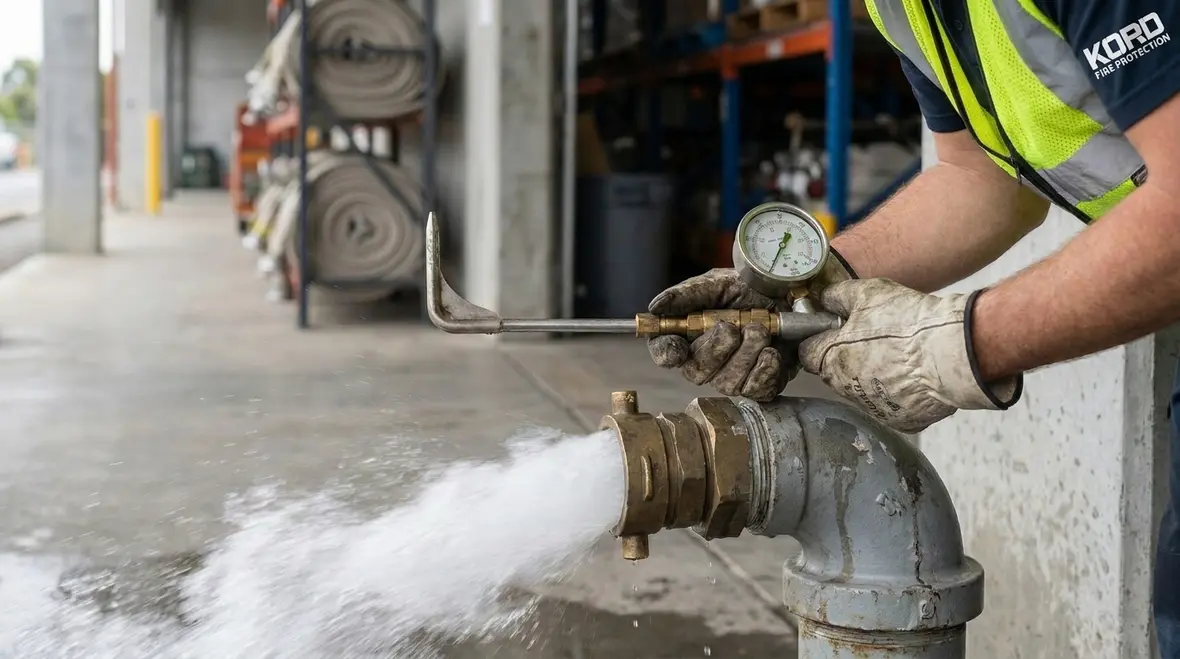
The basic process starts with three values: static pressure, residual pressure, and pitot pressure. Static pressure shows the system pressure before flow starts. Residual pressure shows what remains during flow. Pitot pressure measures the stream pressure from the flowing hydrant outlet.
From there, the tester uses those readings to estimate the flow rate. The most common method involves a discharge formula that uses the nozzle size and pitot reading. The exact setup depends on the hydrant outlet and testing conditions, so accuracy depends on proper tools, proper placement, and a steady hand. In other words, this is not the time to wing it like a hero in a disaster movie.
Typical steps in the field
- Identify the hydrant and confirm the outlet size
- Measure static pressure before opening the flow hydrant
- Record residual pressure during flow
- Take pitot pressure from the flowing outlet
- Use the NFPA 291 method to calculate discharge rate
- Compare results with site needs and design expectations
The procedure sounds straightforward on paper, but field conditions have a way of adding personality. Outlet shape, nozzle condition, water direction, surrounding traffic, and the simple joy of outdoor testing on a busy day can all affect how smoothly things go. That is why trained technicians matter. They know where readings go wrong, how to spot odd behaviour, and when a number looks suspicious enough to deserve a second look.
What needs to happen before the test starts
A reliable hydrant discharge calculation begins before any water moves. First, the test team must confirm the site layout, access points, and safe discharge path. Next, they need the right gauges, hoses, adapters, and calibration records. A small issue with equipment can affect the result, and that can lead to poor decisions later.
It also helps to notify site managers, tenants, and nearby operations. After all, water tests can affect traffic, loading docks, and daily work. For busy industrial sites, good planning avoids drama. Nobody needs a surprise fountain near the forklift lane.
Pre test planning that saves headaches later
This stage is where smart teams quietly win. They map where water will discharge, make sure gauges are readable and recent, confirm hydrants are accessible, and keep the people on site informed. None of that feels dramatic, but it is exactly what keeps the test useful. Good preparation makes the actual calculation more trustworthy, and trustworthy numbers are the whole point.

Why accuracy matters for commercial and industrial sites
Accurate results do more than satisfy a checklist. They help protect people, stock, equipment, and uptime. If a warehouse, shopping centre, or processing site depends on a specific water supply, a wrong result can cause weak fire response planning. That can lead to design errors, false confidence, or missed upgrades.
Accurate flow data also becomes more valuable when a site expands, changes use, adds storage, or updates fire protection equipment. That is when the numbers stop being paperwork and start becoming protection. A tidy report with clear readings is much better than a pile of assumptions and a crossed finger strategy.
What bad data can cost you
Bad hydrant flow data can ripple through more decisions than people expect. It can affect design confidence, insurance discussions, maintenance priorities, and whether future upgrades are planned at the right time. Even when nothing immediately fails, inaccurate testing can quietly create a false sense of security. That is one of the least charming surprises a facility can discover.
Dual column: common test issues and better responses
Common issue
Wrong gauge placement, poor calibration, open fittings, weak documentation, or rushed timing can distort results.
Common issue
Testing without considering site demand can make the flow result look fine on paper but fail in real use.
Better response
Use trained technicians, check tools before testing, follow the NFPA method closely, and record every reading clearly.
Better response
Compare the hydrant discharge calculation with sprinkler demand, fire brigade expectations, and current site risk.
How Kord Fire Protection supports the process
This is where Kord Fire Protection becomes more than a service provider. It becomes a vital partner. The team can manage hydrant flow testing, record the data properly, and help interpret what the numbers mean for the site. That matters because a raw pressure reading is only half the story. The real value comes from turning data into action.
Kord Fire Protection can support industrial, retail, and commercial facilities with practical testing, clear reporting, and next step advice. If the flow result shows a shortfall, the team can help guide further fire protection planning. If the result looks strong, the team still helps prove it with proper records. Either way, the site gains confidence, and confidence in fire protection is a fine thing. Better than a coffee machine that actually works before Monday.
If you want a broader companion piece, Kord also has an exterior fire hydrant flow testing guide for commercial sites and, where available, the related NFPA 291 fire hydrant testing and marking guide for deeper reading.
What facility teams should ask after the test
After the test, the numbers should not just sit in a folder collecting dust like an old pop album. Facility teams should ask whether the discharge rate supports current fire protection systems, whether the water supply has enough margin, and whether future site changes could alter the result.
They should also ask if the report clearly shows the testing method, equipment used, and all key pressure readings. Strong records help with audits, maintenance planning, and future upgrades. Good data now prevents costly confusion later.
Useful follow up questions
- Does the measured discharge rate support current system demand?
- Is there enough margin for future operational changes?
- Were the gauges and tools documented clearly in the report?
- Are there signs the site should consider upgrades or added support?
- Is the hydrant performance consistent with broader fire protection planning?
FAQ
Final word
Accurate hydrant discharge calculation is not just about numbers. It is about proving the water supply can do its job when it counts. For industrial and commercial facilities, that proof matters. Kord Fire Protection can help make the process smooth, accurate, and useful.
For sites that want clear answers and solid fire protection support, the next step is simple: schedule a professional hydrant flow test. Good numbers lead to good decisions, and good decisions tend to look brilliant when the pressure is on.

Join Our Newsletter!
Get the latest fire safety tips delivered straight to your inbox From our Newsletter.