
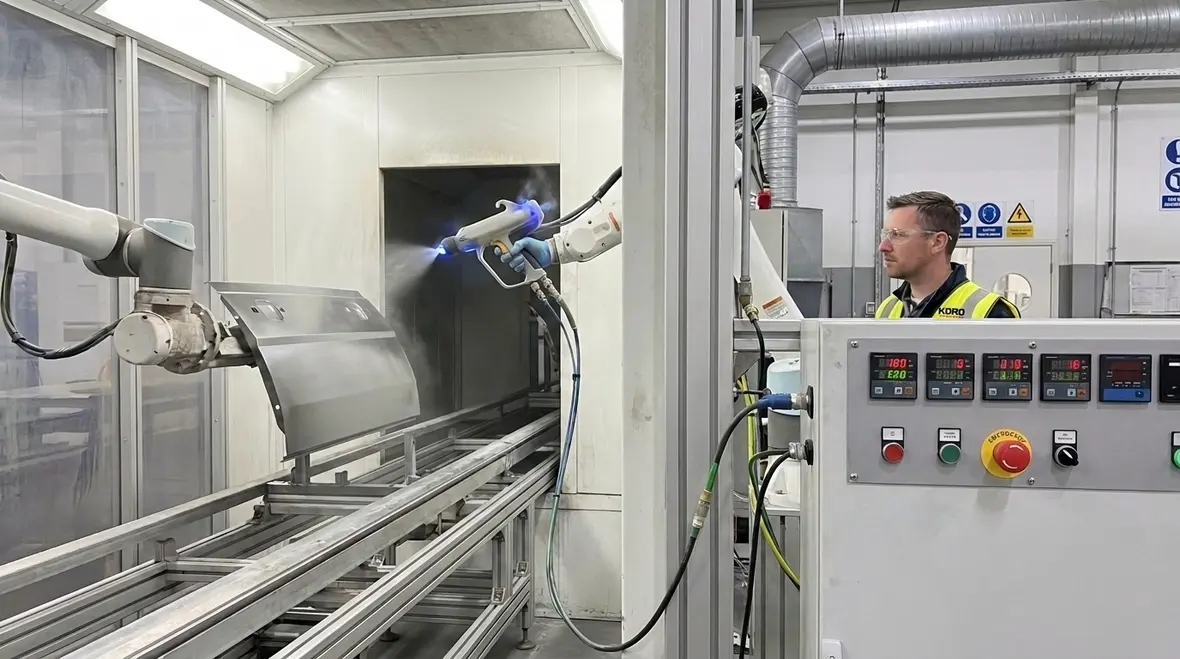
NFPA 33 Section 11.1 Scope: Automated Electrostatic Spray Equipment
Quick Answer
NFPA 33 Section 11.1 establishes the scope and applicability rules for automated electrostatic spray equipment used to apply flammable or combustible materials. It focuses on equipment used with automatic control, including integral electrostatic components, and sets expectations for safe installation, operation, and ongoing compliance.
Facilities that want a stronger inspection and reliability framework can also explore proactive maintenance for fire pump system reliability, especially when building safety programs need to stay audit-ready instead of running on crossed fingers and old checklists.
What does NFPA 33 Section 11.1 cover, and why it matters?
The NFPA 33 automated electrostatic spray scope in Section 11.1 addresses automated systems that apply coatings using electrostatic principles. In commercial and industrial settings, these systems often run as part of production lines, where consistent atomization and charging improve transfer efficiency. However, automation also concentrates risk because a failure can propagate quickly across multiple cycles, shifts, or product lots.
For facility owners, fire safety managers, and engineering teams, this section matters because it drives how the equipment must be evaluated for hazards, what documentation and procedures should exist, and which inspection and maintenance activities must be controlled over time. Compliance is not a one time event; automated equipment changes with wear, component replacement, and process adjustments.
Key definitions and practical boundaries inside the NFPA 33 automated electrostatic spray scope
Section 11.1 typically becomes relevant when electrostatic spray equipment is operated in an automated or semi automated manner. “Automated” in practice means the equipment performs spraying using controls that coordinate spray parameters, motion, or sequence operation without continuous manual triggering for each spray action.
Common equipment elements that trigger scope analysis
- Electrostatic power source and charging components, including high voltage generation, control electronics, and grounding interfaces
- Automated spray control logic, such as timers, PLC sequences, proximity detection, or interlocked motion control
- Automatic fluid handling, including pumps, pressure regulators, and recirculation systems that can change atomization behavior
- Machine interfaces like positioners, conveyors, booth signaling, and shutdown circuits
Operational reality: why “scope” is often misunderstood
Many facilities apply electrostatic spray equipment but treat Section 11.1 as optional because the operator does not directly aim or actuate the gun. The hazard exposure still exists if the electrostatic system energizes during automated spray cycles. When controls energize a charging circuit, the scope analysis must follow the requirements that apply to automated electrostatic electrostatic spray equipment.
How automated electrostatic spray equipment increases compliance pressure
Automated electrostatic spray systems elevate risk through interdependence. A single subsystem failure, such as a grounding deviation or malfunctioning control component, can lead to unsafe operating conditions for multiple cycles. In commercial facilities that operate multiple shifts, this creates additional enforcement pressure on preventive maintenance and documented inspection.
High consequence failure points to focus on
- Loss of proper electrical grounding or bonding between gun, spray equipment, and the workpiece path. Even small changes can affect current draw and charge behavior.
- Contamination or wear on air and flow control components, which can shift atomization and increase overspray or deposition variability.
- Electrostatic power supply faults, including output instability, insulation degradation, or control electronics failures.
- Interlock gaps in automated sequences, where the system continues spraying when booth conditions or safety devices do not meet required states.
- Fluid properties and process drift, such as changes to viscosity, conductivity, or solvent content that alter electrostatic charging performance.
Facility standards that typically accompany Section 11.1 expectations
While Section 11.1 focuses on scope, practical compliance is usually tied to broader facility performance requirements such as electrical safety programs, hot work and ignition control policies, and coordinated booth ventilation and monitoring. In production environments, the electrostatic system must function within defined safe operating envelopes, and those envelopes should be verified through routine testing.
Inspection, testing, and maintenance: what “compliance over time” looks like
For the NFPA 33 automated electrostatic spray scope, documentation and repeatable inspection procedures are essential. Automated lines tend to run long cycles and frequently adjust parameters. That makes scheduled checks the difference between a system that remains safe and one that drifts into unsafe operation.
Inspection checkpoints commonly required in automated electrostatic systems
- Electrical continuity and grounding verification across all relevant interfaces, including gun mounts, hoses, manifolds, and workpiece support paths
- High voltage system condition, focusing on signs of damage, abnormal readings, or loss of performance during controlled tests
- Control and interlock verification, including proof that safety conditions stop or inhibit spraying as designed
- Atomization and fluid delivery behavior, including confirmation that flow, pressure, and air settings match the process design
- Component integrity, including inspection of hoses, fittings, nozzles, and seals for deterioration
Maintenance actions that reduce real world failures
Facilities should manage maintenance as a safety control, not only as mechanical upkeep. Common best practices include maintaining grounding hardware integrity, verifying replacement parts match original specifications, and reviewing process changes for potential impacts on electrostatic performance.
Kord Fire Protection supports commercial, industrial, and retail facilities by integrating fire safety compliance with practical testing and maintenance planning. The goal is to reduce downtime while ensuring equipment continues to operate within safe and documented parameters.
Implementation strategy for commercial and industrial facilities
Most noncompliance issues occur when organizations treat Section 11.1 as a labeling exercise rather than a system evaluation. A strong implementation strategy connects scope determination to operating procedures, training, and inspection schedules.
Step by step: putting NFPA 33 automated electrostatic spray scope into action
- Confirm applicability by documenting what qualifies the system as automated and where electrostatic charging occurs during spray cycles.
- Create a hazard controlled operating matrix that links booth and system states to allowed operation modes.
- Define inspection and test intervals based on run time, change frequency, and documented performance trends.
- Standardize maintenance procedures for grounding, hoses, nozzles, and high voltage components, including parts verification and post maintenance checks.
- Control process changes by evaluating how changes to fluid properties or setpoints affect charging and spray behavior.
Where Kord Fire Protection fits
When automated electrostatic systems operate inside production schedules, safety checks must be repeatable and results must be auditable. Kord Fire Protection helps facilities create compliance support that aligns inspection outcomes with operational reality. Learn more through Kord Fire Protection.
Frequently Asked Questions
Call to action
If your facility operates automated electrostatic spray lines, confirm whether your equipment fits the NFPA 33 automated electrostatic spray scope and ensure your inspection and maintenance program matches the real failure points. Kord Fire Protection can help you build an auditable compliance approach that reduces risk and protects production uptime. Contact Kord Fire Protection to discuss a practical assessment, testing plan, and ongoing support.

Join Our Newsletter!
Get the latest fire safety tips delivered straight to your inbox From our Newsletter.



