NFPA 291 Section 4.5 Hydrant Flow Test Evaluation
Quick Answer
NFPA 291 Section 4.5 explains how to lay out and evaluate a hydrant flow test so a site can measure real water supply, not guesses. A proper fire hydrant flow test evaluation helps industrial, retail, commercial, and facility managers confirm available flow, pressure, and system limits. Kord Fire Protection can support this work with skilled testing, clear reporting, and practical advice.
For sites that need practical support near the top of the process, Kord Fire Protection’s full fire protection services can fit naturally into planning, testing, and follow-up without turning the day into a juggling act with gauges, hydrants, paperwork, and crossed fingers.
For industrial, retail, and commercial sites, a fire hydrant flow test evaluation is more than a box to tick. It shows how much water a hydrant system can deliver under real demand, which helps teams protect buildings, staff, stock, and operations. NFPA 291 Section 4.5 sets the method for laying out the test, choosing the right hydrants, measuring pressure loss, and reading the results with care. In plain terms, it helps turn a fire water system from “we think it’s fine” into “we know it’s ready.” That difference matters when time is tight and the stakes are high.
What NFPA 291 Section 4.5 Means in Practice
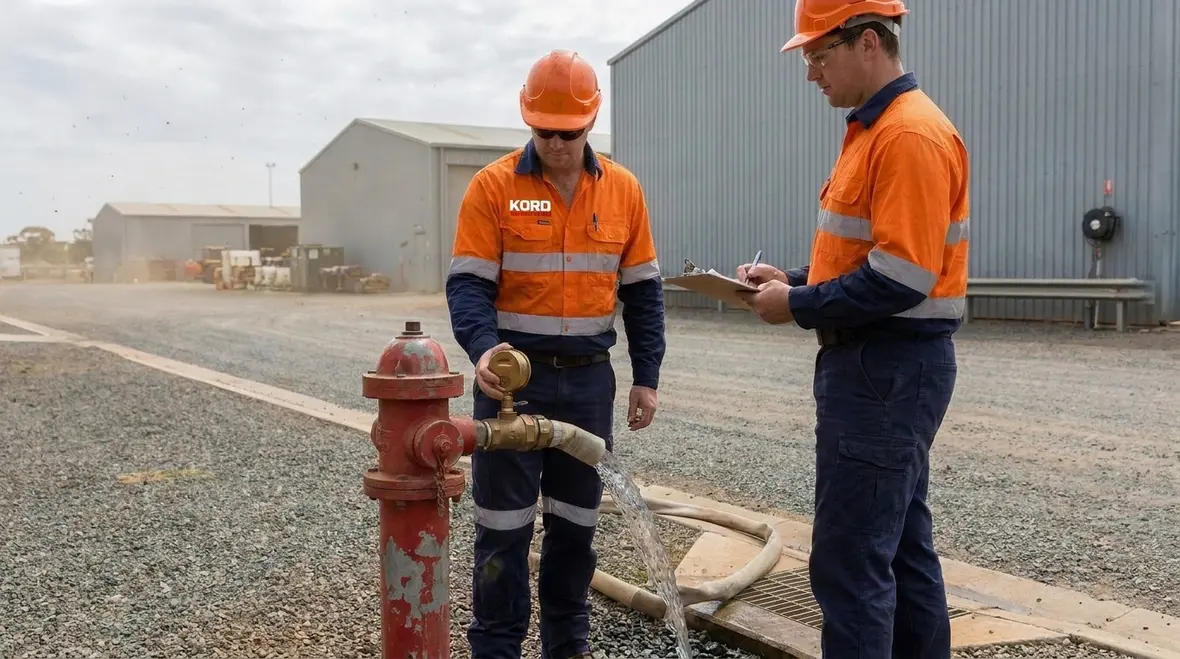
Section 4.5 guides the layout of a hydrant flow test so the results reflect the real supply available to a site. First, the team picks a test hydrant and one or more nearby hydrants to flow water. Next, they measure static pressure before the test starts. Then they open the flow hydrants in a controlled way and record flowing pressure. After that, they use the data to estimate available flow at the test point.
Because water systems do not behave like a calm Tuesday afternoon, the setup must be handled with care. If the test is rushed or the wrong hydrants are used, the numbers can mislead. That can affect fire planning, insurance discussions, upgrades, and compliance checks. A good evaluation does not just capture data. It captures useful reality.
Why the layout matters more than people think
A hydrant flow test can look simple from a distance. Open a hydrant, read a gauge, write down the number, move on. In practice, the layout decides whether those numbers mean something. The test hydrant has to represent the supply point that actually matters to the building or site. The flow hydrant has to be close enough and suitable enough to create a realistic demand. If either choice is poor, the results can look tidy on paper while telling the wrong story.
How to Set Up the Hydrant Flow Test Layout
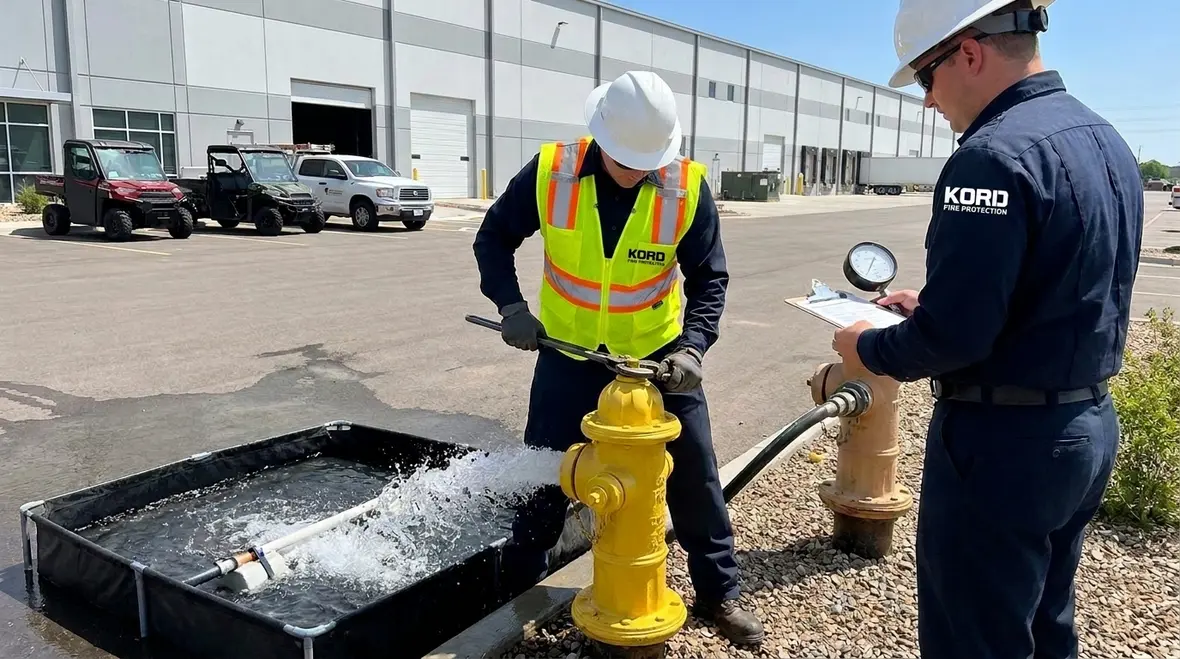
The layout starts with the right site selection. A good test area should reflect the actual water supply serving the property or precinct. The technician then identifies a residual hydrant for pressure reading and a flow hydrant for discharge. In some cases, more than one hydrant is used to get a clearer picture of network performance.
Core measurements to record
Static pressure before flow begins
Residual pressure while water is flowing
Flow rate from the discharge hydrant
Hydrant location, spacing, and any site limits
After that, the data gets compared and checked. This is where experience matters. A site manager may see a pressure number, but an experienced fire protection team sees what that number means for sprinklers, hose reels, pumps, and emergency response. It can reveal whether the site has breathing room or whether the water supply is barely keeping up with the plan on paper.
The setup also needs practical coordination. Access points should be clear, discharge water should be directed safely, and the team should know whether nearby works, traffic patterns, or occupied areas could affect the test. That part is not glamorous, but neither is explaining to operations why the loading dock is now pretending to be a river.
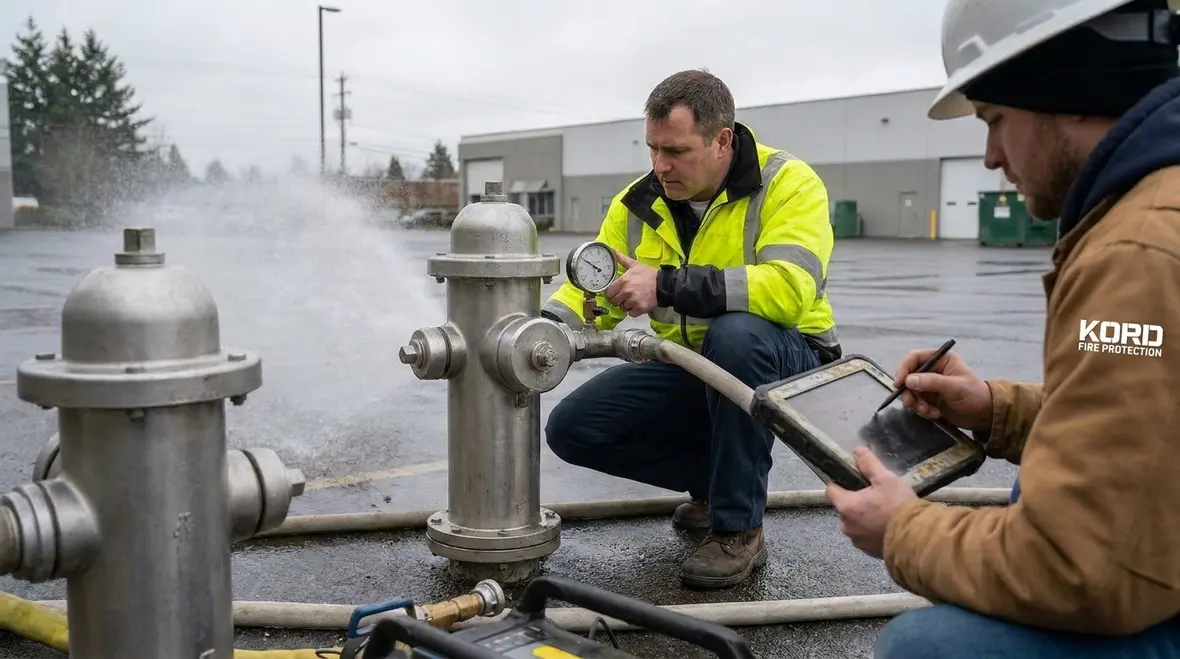
Fire Hydrant Flow Test Evaluation with Two Key Views
The value of the test grows when the results are viewed from two sides at once: compliance and operations. Looking at only one side can leave a blind spot. A system might satisfy a checklist while still leaving a facility with thin real-world performance. On the other hand, a site may seem operationally comfortable but lack the documentation and method needed for formal reviews or planning.
Compliance View
Checks whether the water supply supports fire safety needs
Helps document the system for audits and reviews
Supports maintenance records and upgrade planning
Operations View
Shows whether the site can sustain firefighting demand
Highlights weak points before an emergency does
Helps reduce downtime, damage, and panic later
In short, the fire hydrant flow test evaluation is not just about numbers. It is about making those numbers useful. A reading by itself is just a reading. Once interpreted in context, it becomes a planning tool that can guide maintenance priorities, design choices, and future investment.
How the Results Are Evaluated
Once the test is complete, the data is converted into a usable view of water supply. The key question is simple: how much water can the system provide at an acceptable pressure? If the result is strong, the site may have enough margin for its current fire protection setup. If the result is weak, the site may need upgrades, pump changes, or a broader fire strategy.
Common signs of concern
Low residual pressure during flow
Poor flow despite a healthy static pressure
Large pressure drops across short distances
Inconsistent results across hydrants
And yes, sometimes the hydrant network behaves like a grumpy old generator, loud at the start and weak when it matters. That is exactly why evaluation matters. It helps teams separate a healthy supply from one that only looks healthy until demand rises.
This evaluation stage is also where related context becomes valuable. If you want a broader technical backdrop on field testing, marking, and interpretation, Kord Fire’s NFPA 291 fire hydrant testing and marking guide connects well with the same questions site teams often face after a flow test.
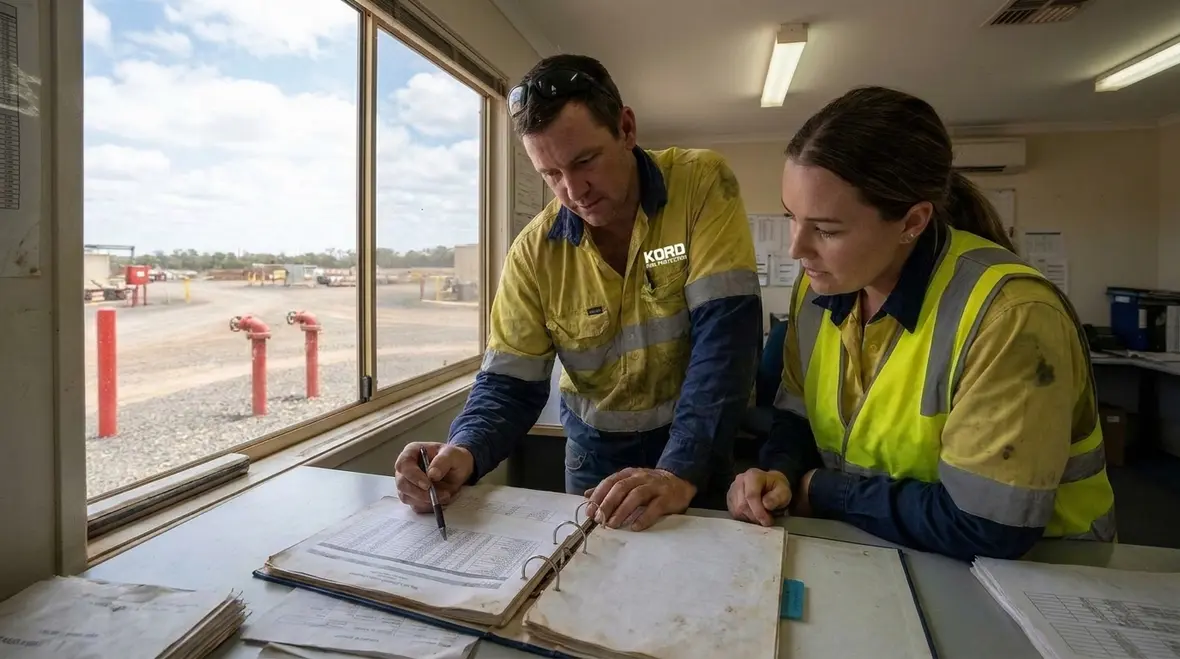
Why Kord Fire Protection Becomes a Vital Partner
Kord Fire Protection can play a key role in the full fire hydrant flow test evaluation process. For busy facilities, that means less guesswork and fewer headaches. A capable partner can plan the test, carry out the measurements, review the findings, and explain the outcome in plain language.
That support is valuable across industrial parks, shopping centres, warehouses, logistics hubs, healthcare sites, and large commercial buildings. Kord Fire Protection can help teams prepare for the test with the right layout and timing, collect accurate site data, interpret the results in line with fire protection goals, and identify next steps if supply does not meet site demand.
As a result, site managers get a clearer path forward. That can mean maintenance, design changes, or a full review of hydrant coverage and supply capacity. It can also reduce the all-too-common situation where several people have parts of the answer and no one has the whole picture.
What Site Teams Should Watch During Testing
Good testing does not happen by accident. Site teams should watch for access issues, traffic control needs, safe discharge locations, and communication with occupants. Also, the test should avoid disrupting operations more than needed. That matters in retail and industrial settings where a single delay can ripple through the day like a bad sequel nobody asked for.
Useful checks before the water starts moving
Confirm previous hydrant reports and service history
Review pump data and site drawings where available
Plan discharge locations that will not create avoidable hazards
Coordinate with operations so the test window is realistic
It also helps to confirm the site history before testing begins. Previous reports, pump data, hydrant maps, and service records can all shape the plan. The more complete the picture, the better the result. A team walking in with context will usually make faster, better decisions than a team trying to improvise around missing information.
FAQ
Conclusion
NFPA 291 Section 4.5 gives the structure, but expert handling gives the result value. For sites that need clear answers and practical action, Kord Fire Protection can support every stage of the fire hydrant flow test evaluation. When the water supply must be known, not assumed, the right partner makes all the difference.
Reach out and let the numbers speak before an emergency does. That way, the next conversation about hydrant performance can be based on tested facts, not hopeful guesses and not the kind of optimism that usually belongs in movie trailers rather than fire protection planning.

Join Our Newsletter!
Get the latest fire safety tips delivered straight to your inbox From our Newsletter.