
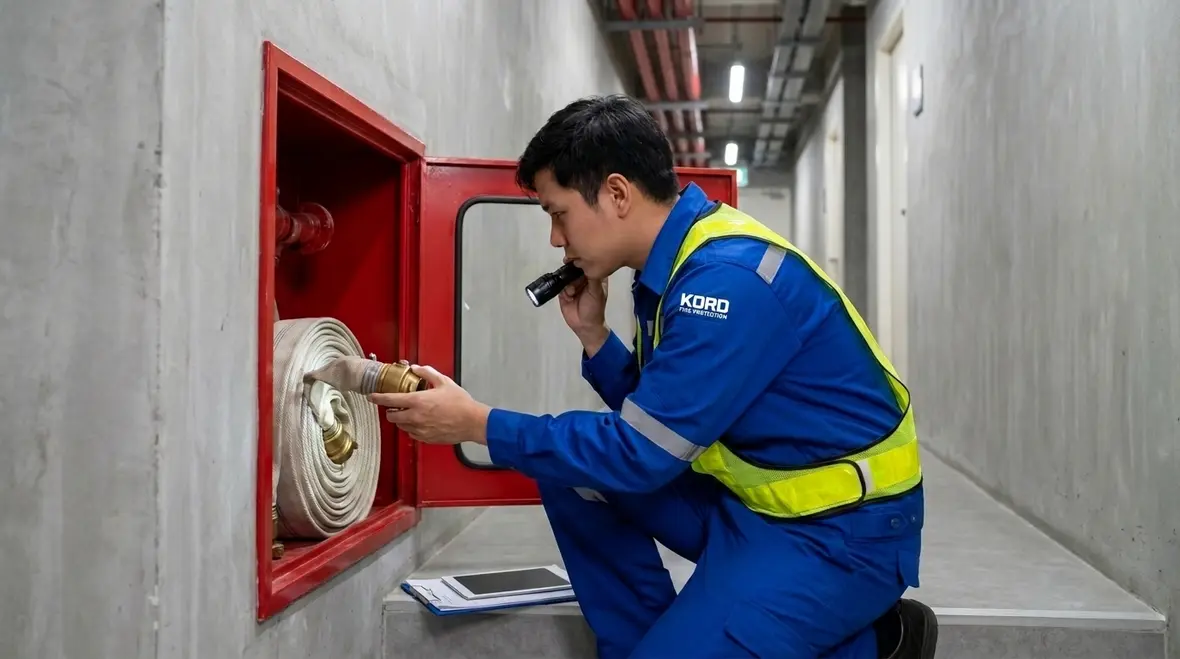
NFPA 25C Chapter 6: Complete Standpipe and Hose System Maintenance Guide
Quick Answer: NFPA 25C Chapter 6 requires ongoing, documented inspection and maintenance of standpipe and hose systems to verify readiness, correct function, and dependable performance. A complete program addresses equipment condition, hose integrity, couplings and valves, pressure and flow performance, and timely corrective actions.
Standpipe and hose systems remain a critical first line of fire department and occupant response in many commercial, industrial, and retail facilities. NFPA 25C Chapter 6 standpipe hose system inspection maintenance focuses on keeping the system operable, protected from damage, and reliably connected to water supply and hose couplings when time matters most.
For facilities building out a broader compliance plan, it also helps to connect standpipe work with a wider fire protection service program so inspections, repairs, and documentation stay coordinated instead of turning into a scavenger hunt with clipboards.
What NFPA 25C Chapter 6 Requires for Complete Readiness
NFPA 25C Chapter 6 centers on verifying that standpipe components and hose assemblies remain in service condition. For facilities with standpipe systems, compliance typically hinges on inspection frequency, hands on checking of physical condition, and confirming that hoses can be deployed and connected without failure.
In practical terms, Chapter 6 maintenance efforts usually cover three operational themes:
- Equipment condition and accessibility: valves, cabinets, hose storage, signage, and obstructions must permit rapid use.
- Hose and coupling integrity: hoses must remain serviceable with proper handling, storage, and replacement when defects appear.
- System function: the system must deliver water to the required points with dependable connectivity and control.
Commercial facilities also face a compliance challenge beyond the standard itself: building turnover, seasonal HVAC changes, renovations, and tenant fit outs can quietly damage cabinets, reposition equipment, or compromise the hose storage environment. A maintained standpipe system program must treat these real world conditions as part of the inspection process.
Scope and System Components Covered in Standpipe Hose Maintenance
Complete standpipe and hose system inspection maintenance typically involves more than simply checking hose racks. A defensible maintenance program evaluates the full assembly as a working firefighting delivery system.
Common components to inspect and maintain
- Standpipe outlets and hose connections: condition, threads or connection interfaces, and protective caps where applicable.
- Control valves at hose stations or floor connections: accessibility, full travel, leak tightness, and proper labeling.
- Hose storage arrangements: cabinets, reels, hangers, racks, and restraints that keep hoses organized and deployable.
- Hose assemblies: overall condition, wear, abrasion, kinks, cuts, coupling integrity, and signs of aging.
- Couplings and threads: mechanical integrity, alignment, and the ability to make a secure connection quickly.
- Drainage and water discharge paths: where present, ensure the system avoids trapping water that accelerates degradation.
For many facilities, inspection records must prove that each standpipe hose station receives attention, not only the most accessible locations. Kord Fire Protection supports commercial compliance planning by coordinating standpipe related inspection coverage across building zones, schedules, and occupancy constraints.
Where water based system maintenance overlaps, facilities that also operate sprinkler systems often align documentation and service windows to reduce operational disruption. Kord Fire Protection provides broader water based fire protection service support through guidance such as NFPA 25 overview for complete water based fire protection systems maintenance breakdown.
How to Perform NFPA 25C Chapter 6 Standpipe Hose System Inspection Maintenance
Effective maintenance follows a repeatable workflow. The objective is to verify operability, detect deterioration early, and correct conditions that could delay deployment or compromise water delivery.
1) Pre inspection readiness checks
- Confirm the inspection scope matches the building layout, number of floors, and standpipe hose stations.
- Verify access and safety controls. Many cabinets require careful work around stored inventory, locked areas, and minor obstructions.
- Review recent repair history and prior deficiencies. Recurring defects often indicate a training, storage, or handling problem, not just equipment wear.
2) Visual and physical condition inspection
- Check each hose for obvious damage: cuts, abrasion, bulges, dry rot signs, and coupling separation or deformation.
- Inspect hose storage position. Kinks or tight bends can limit flow and affect coupling alignment during emergency use.
- Verify cabinets and storage hardware remain intact, with latches functioning and doors free of obstruction.
- Confirm signage and labeling allow immediate identification of the hose location and station interface.
3) Coupling and connection interface verification
- Inspect coupling threads or interfaces for damage and corrosion.
- Confirm the hose can be handled and connected without binding caused by misalignment or damaged hardware.
- Verify the presence and condition of any protective caps, where used, and ensure they do not trap moisture or degrade storage condition.
4) Valve operation and leak detection
Chapter 6 focused maintenance commonly includes ensuring valves can be operated as designed and remain leak tight. During inspection, personnel should watch for drips, seepage, or stiffness that indicates internal contamination or corrosion.
- Operate valves through functional travel when permitted by facility procedures and water system configuration.
- Observe for abnormal resistance and note repeated trouble areas for targeted corrective maintenance.
- Document valve condition and any need for service, adjustment, or replacement.
5) Documentation and corrective action tracking
NFPA 25C compliance becomes meaningful when service documentation is complete, station specific, and tied to corrective actions. Facilities typically need records showing what was inspected, what condition was found, and what was repaired or replaced.
- Record deficiencies by station location and component type.
- Retain photos when allowed to support recurring issue analysis.
- Track repair completion dates and verify the corrective work resolved the deficiency.
Because standpipe systems interface with building operations, maintenance must include coordination with other water based fire protection tasks. Kord Fire Protection aligns standpipe inspection schedules with broader system maintenance so the facility can maintain readiness without unnecessary downtime, especially during tenant construction cycles.
Common Failure Points That Reduce Standpipe Hose Readiness
Most standpipe system failures that show up during emergency use prevention assessments are not dramatic. They are usually operational gaps that accumulate over time.
1) Hose aging, abrasion, and storage damage
Hoses degrade from repeated handling, cabinet friction, and localized abrasion at the same storage contact points. Tight bends and stored tension can also affect coupling alignment and deployment speed.
2) Coupling damage and incorrect connection readiness
Damaged couplings can prevent secure connection under stress. Corrosion and cross threading issues usually come from moisture exposure, poor storage protection, or repeated connection attempts during non emergency scenarios.
3) Valves that stick or leak
Valves can become stiff due to corrosion, sediment, or long periods of inactivity. Leaks that appear after inspection or routine use may indicate a degraded sealing surface and should trigger timely corrective maintenance.
4) Cabinet access problems
Even a serviceable hose assembly becomes unreliable if the cabinet cannot be opened quickly or if storage conflicts with the cabinet door or hose route. Retail and industrial facilities frequently experience changes in storage layout, temporary barriers, or maintenance staging that unintentionally block access.
Facilities that also manage sprinkler systems benefit from consistent code focused maintenance planning. For an integrated view of water based system installation and compliance drivers, see NFPA 13 overview for automatic fire sprinkler system installation.
Maintenance Scheduling for Commercial, Industrial, and Retail Facilities
Standpipe hose system inspection maintenance should align with occupancy patterns and operational risk. The best schedules protect readiness while reducing business disruption and avoiding last minute “find and fix” cycles.
Practical scheduling approach
- Baseline coverage first: complete a full system walk through to identify all stations and conditions, not just those most accessible.
- Prioritize high traffic and frequent storage change areas: retail stockrooms, loading docks, and light industrial zones often create access conflicts.
- Coordinate with renovations: remodels and tenant improvements must include verification that hose cabinets and outlets remain unobstructed.
- Plan corrective actions fast: hoses, couplings, and valves that show defects often require replacement or service before the next operating cycle.
Seasonal events introduce additional risk. For example, winter storage practices can trap moisture or cause corrosion near connections. Summer humidity and construction dust can accelerate wear if cabinets remain closed and ventilation patterns change. A mature NFPA 25C Chapter 6 standpipe hose system inspection maintenance program anticipates these issues with consistent inspection cadence and targeted corrective actions.
For facilities in California and other jurisdictions that add local requirements, coordinating standpipe readiness with broader code interpretation helps avoid compliance surprises. Kord Fire Protection’s code context resources include fire sprinkler code California explained.
Verification, Quality Control, and Service Partnering
Inspection quality is not determined by how quickly an item is looked at. It depends on whether each station is truly assessed, corrected when needed, and supported by defensible records.
Quality control checks that matter
- Station by station accountability: each hose connection and hose assembly receives documented review.
- Defect classification: document whether issues indicate cosmetic aging versus deployment critical failure risk.
- Replacement criteria alignment: ensure hose assemblies and components are replaced when condition indicates reduced reliability.
- Post repair verification: confirm corrected items are returned to service condition and access remains unobstructed.
Kord Fire Protection supports facilities with ongoing compliance planning, multi system coordination, and documented service outcomes. For organizations that also evaluate pump systems and related water delivery components, additional technical context is available through resources such as FirePumps.org.
If the facility uses alternate service providers, it should still expect the same quality elements: complete coverage, station specific documentation, and proof that corrective actions restore readiness. A competent partner also helps facilities prevent future repeat failures by identifying handling patterns, storage conflicts, and recurring cabinet access issues.
Frequently Asked Questions
Call to Action
Facilities that need confident compliance outcomes should schedule a full standpipe and hose readiness inspection under NFPA 25C Chapter 6. Kord Fire Protection can help coordinate inspection coverage, document deficiencies, and execute corrective maintenance with minimal disruption. Contact Kord Fire Protection to set a service plan and bring standpipe hose system readiness back to dependable, inspection ready status.

Join Our Newsletter!
Get the latest fire safety tips delivered straight to your inbox From our Newsletter.


