NFPA 25 Section 6.2 Standpipe Inspection Checklist
Quick Answer
NFPA 25 Section 6.2 sets clear priorities for standpipe inspections so systems stay ready when seconds matter. Building owners should follow a focused inspection plan, document findings, and act on defects fast. Kord Fire Protection can help by scheduling, testing coordination, reporting, and compliance support tailored for Australian industrial, retail, and commercial sites.
Standpipes are the quiet workers of fire response. They sit there, dry and patient, until someone needs water yesterday. And under NFPA 25 § 6.2, building owners must follow standpipe inspection priorities that keep the system dependable, not just “installed.” Early on, teams use the standpipe inspection checklist NFPA 25 to guide inspections like a checklist that actually earns its place in the binder. However, a checklist alone is not the goal. The goal is readiness, traceable records, and timely corrective actions.
In Australia, where busy facilities run nonstop and outages cost real money, owners need an approach that fits operations. Therefore, third party oversight and disciplined scheduling can reduce surprises, protect compliance, and support faster incident response. Kord Fire Protection can become a vital partner by bringing structure to the inspection cycle, coordinating site access, and helping teams turn inspection results into clear, actionable work orders.
If your site is already reviewing broader Standpipe Systems service support, this checklist mindset fits naturally into that planning. It also pairs well with Kord’s detailed NFPA 25 overview for complete water-based fire protection systems maintenance, which gives managers a wider view of where standpipe inspections sit in the full maintenance picture.
NFPA 25 § 6.2 in plain business terms
In essence, NFPA 25 § 6.2 directs owners to prioritize inspections that confirm standpipes will work when called. It focuses on maintaining key components, verifying physical condition, and ensuring the system can deliver water as intended. Then, it pushes owners to document inspections and address issues promptly.
Some facilities treat standpipes like office furniture. They look fine right up until they are needed, and then everyone panics. Kord Fire Protection keeps that from happening by aligning inspection activities with real risk and site realities. In other words, the service does not just “check a box,” it checks the system’s ability to perform.
Why this section matters more than people think
A standpipe system can look perfectly respectable from ten feet away and still hide issues that matter during an emergency. Section 6.2 matters because it keeps attention on readiness instead of appearances. Managers are not paying for decorative red pipe. They are paying for a system that behaves correctly under pressure, can be accessed quickly, and does not introduce nasty surprises when crews need it most.
What owners should prioritize on their inspection checklist
Most compliance failures happen for predictable reasons: systems sit with minor defects that grow into major problems, or inspections get delayed until they become expensive. To avoid that, the standpipe inspection checklist NFPA 25 typically drives attention toward the items that influence water delivery and usability during an emergency. Owners can apply a practical priority view, starting with visibility and access, then moving to functional readiness.
- Connection points and valve accessibility
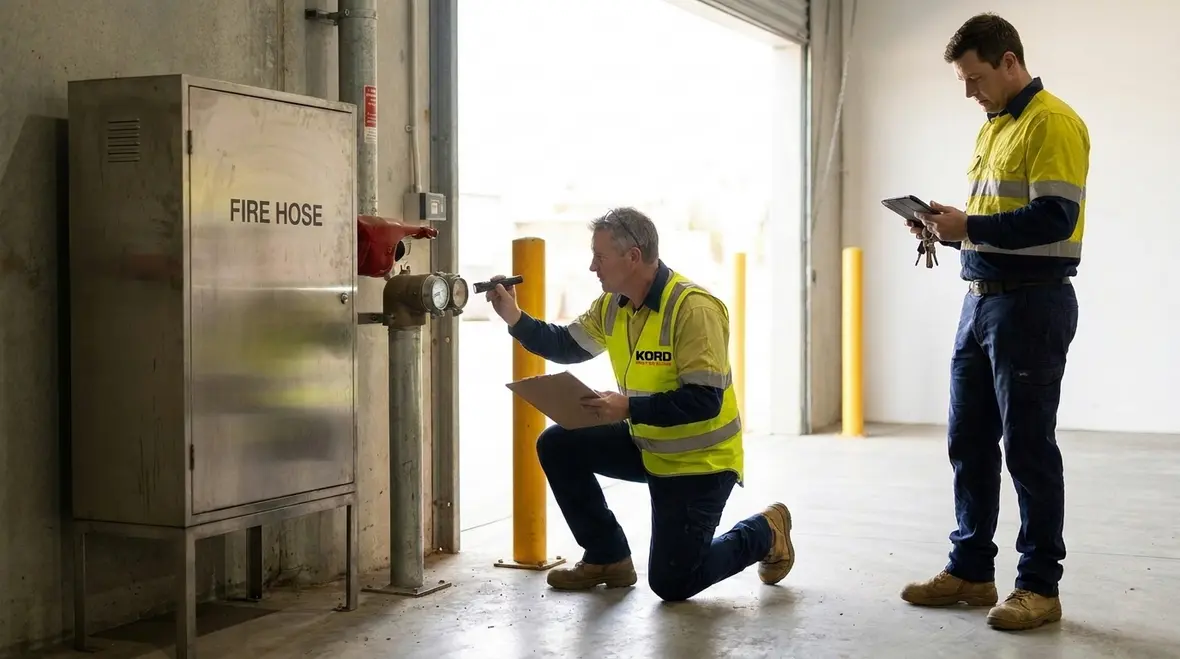
Teams should confirm that hose connections can be reached and operated without obstacles. If access requires moving equipment every time, the system can fail under stress. - Physical condition of standpipe components
Damage, corrosion, leaks, and missing or degraded parts reduce reliability. Therefore, inspections must look closely, not casually. - Hose cabinet condition and readiness
Even when the standpipe itself looks good, missing, damaged, or improperly stored hoses create a “failure by proxy.” - Operational checks where required
When the standard calls for specific verification, owners should schedule these checks to avoid emergency downtime. - Recordkeeping and traceability
Good documentation helps owners prove compliance and repeat improvement. It also helps future teams avoid repeating past mistakes.
And yes, bad recordkeeping is like losing the receipt after a warranty claim. The system still works, but the story becomes expensive and stressful.
A practical way to sort priorities
The simplest way to sort checklist items is to ask one question first: if this item fails, does it affect access, water delivery, or system usability during an incident? If the answer is yes, it belongs near the top of the action list. This keeps teams from getting buried in less urgent details while the important defects quietly audition for a future disaster.
How Kord Fire Protection supports standpipe readiness across Australia
When facilities manage multiple sites, inspections can quietly fall behind. That is where Kord Fire Protection becomes more than a vendor. It can function as a vital partner with this service job by building an inspection rhythm that matches the facility’s operating schedule. For industrial, retail, and commercial properties across Australia, this matters because downtime and access constraints are real.
Kord can help in several ways. First, it can align inspection visits with site access routes and working hours so operations keep moving. Next, it can help teams standardize reporting formats, so owners and facility managers spend less time decoding results and more time fixing issues. In addition, it can support corrective action planning, turning inspection findings into clear priorities for maintenance teams.
Then, there is the compliance narrative. When a regulator asks for evidence, owners need more than “someone looked at it.” They need documentation that ties back to the standpipe inspection checklist NFPA 25 approach and the inspection priorities expected under NFPA guidance. Kord helps produce those records in a way that stands up under scrutiny.
Why multi-site owners benefit from consistency
Consistency is what turns a stack of inspection reports into a management system. When every site uses similar reporting categories, action tracking, and review cycles, leadership can compare risk across locations without playing detective. That means fewer blind spots, fewer repeated defects, and fewer meetings that end with, “Wait, which cabinet was that again?”
Scheduling inspections without disrupting operations
Most facility teams do not need more tasks. They need fewer surprises. Therefore, scheduling inspections should account for traffic flow, shutdown windows, and access permissions. Standpipe inspections can be planned in a way that reduces disruption while still meeting requirements.
Owners can use this transition from planning to execution:
- Map each asset location
Identify standpipe zones across floors, plant areas, loading bays, and retail back-of-house spaces. - Set inspection windows by risk
Areas with frequent changes, heavy foot traffic, or corrosive exposure usually need more attention and better timing. - Coordinate maintenance follow up early
If defects appear, maintenance resources must be ready. Otherwise, “inspection day” becomes “waiting day.” - Use repeatable check routes
Teams should avoid improvising each visit. Consistent routes reduce missed items and shorten on site time. - Review previous reports before the next visit
Then teams focus on what changed, not only what was always there.
In short, the best inspection plan feels boring and dependable. That is a compliment, not an insult.
How to avoid turning inspection day into chaos
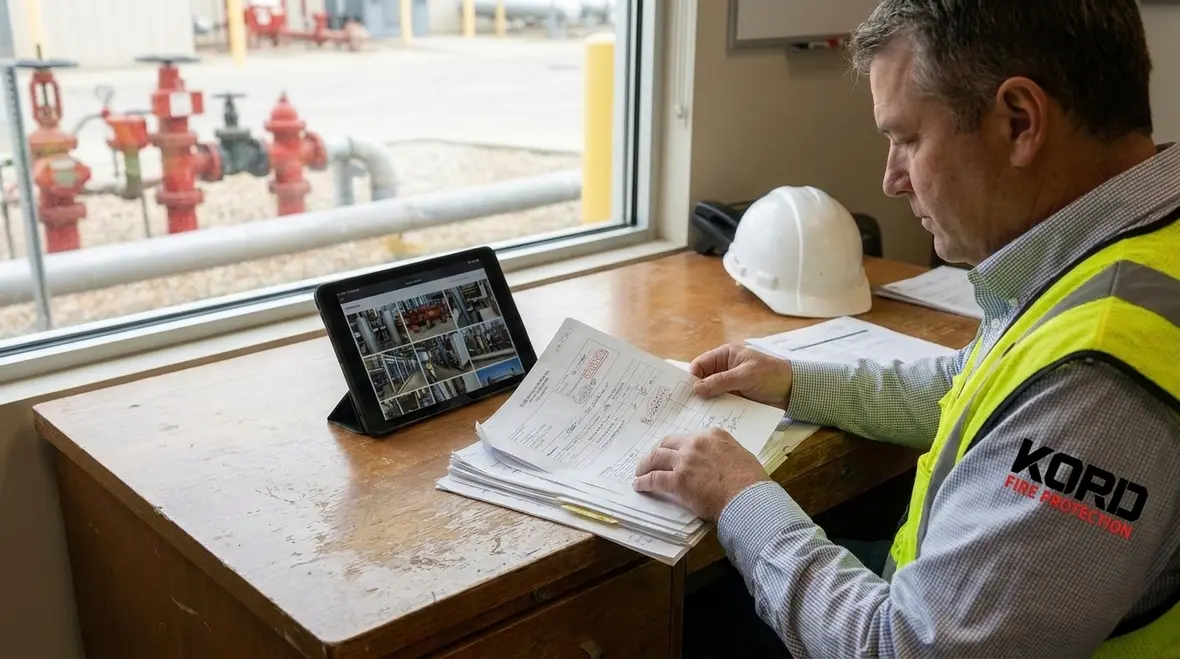
A little preparation saves an absurd amount of scrambling. Confirm access points, notify relevant staff, review prior findings, and line up maintenance support before the visit starts. When teams do that well, inspection day becomes routine. When they do not, someone ends up hunting for keys, moving stock, and explaining why the “easy cabinet” is behind six mystery pallets.
Turning findings into fast corrective action
Inspections only help if owners act on them. The challenge is prioritization. A minor issue ignored becomes a larger issue, and fire safety does not reward procrastination. Owners can reduce friction by setting a clear decision path that maintenance teams can follow.
- Classify issues by impact
Focus first on items that affect water delivery and usability during an incident. - Assign owners and due dates
Each defect should have a responsible party and a realistic timeline. - Verify repairs after completion
Do not assume the fix worked because it was completed. - Update site documentation
When systems change, records must match reality. - Track repeat findings
If the same defect appears repeatedly, investigate the cause, not only the symptom.
Here is where Kord Fire Protection can add practical value. After inspection, Kord can support owners by clarifying what each finding means for readiness, and by helping drive next steps that fit the facility’s workflow. That makes compliance feel less like paperwork and more like risk management.
Standpipe inspection checklist NFPA 25: reporting that managers actually use
Managers do not need paragraphs of mystery. They need clarity, priorities, and evidence. Therefore, a good inspection report should help decision makers understand the “so what” quickly. The standpipe inspection checklist NFPA 25 approach supports this when reporting ties findings to system readiness and required actions.
Owners should expect reports that include:
- Asset location details
So teams can find the exact standpipe or cabinet without guesswork. - Condition observations
Clear notes on damage, corrosion, accessibility issues, or missing components. - Action recommendations
Not vague suggestions, but specific next steps with urgency context. - Supporting documentation
Evidence that supports compliance and audit readiness. - Corrective action tracking format
So work orders do not get lost in email.
When reports are usable, teams move faster. And speed, in fire safety, is not just nice. It is essential.
FAQ
Call Kord Fire Protection for a smoother inspection cycle
Building owners who follow NFPA 25 § 6.2 with disciplined priorities protect people, assets, and compliance confidence. Kord Fire Protection can help by scheduling inspections, supporting clear reporting, and turning findings into fast corrective actions. If the next inspection window is already creeping up, reach out now and get a plan that fits your site operations.
Calm planning beats last minute firefighting every time. That is especially true when standpipe systems are spread across busy facilities, multiple tenants, and nonstop operating hours. A smoother inspection cycle is not just easier to manage. It creates better visibility, faster follow up, and a stronger level of readiness when it matters most.

Join Our Newsletter!
Get the latest fire safety tips delivered straight to your inbox From our Newsletter.